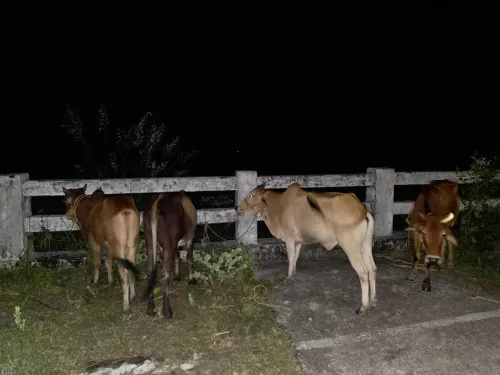
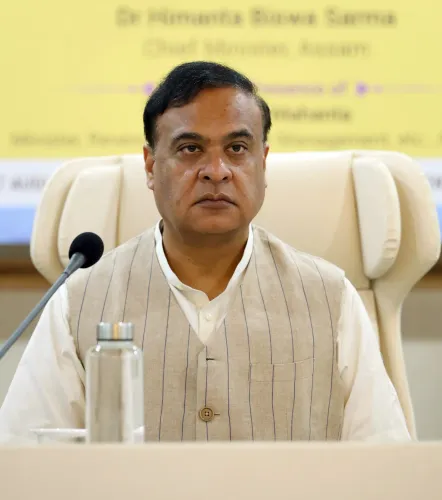
CM Himanta Hails Assam Police After 26 Animals Rescued
Synopsis
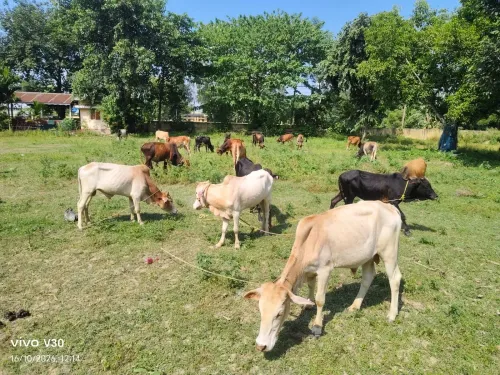
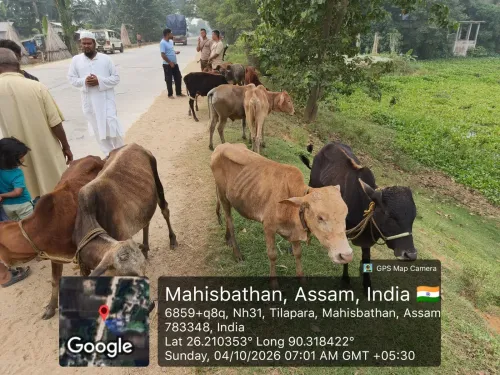
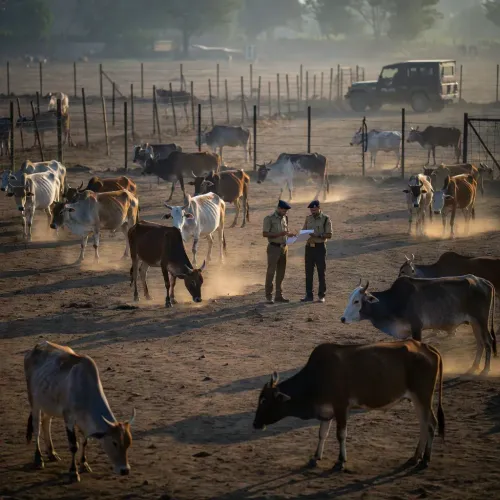
Assam Chief Minister Himanta Biswa Sarma on November 3 lauded Assam Police for rescuing 26 animals from illegal trade, declaring that the state stands firmly against the exploitation of animals and that no life should be treated as a commodity.
Key Takeaways
26 animals were rescued by Assam Police from what CM Sarma described as illegal trade and exploitation.
CM Himanta Biswa Sarma personally credited Assam Police on X on November 3, 2026 .
Sarma stated that 'Assam stands firmly against the illegal trade and exploitation of innocent animals.' The Chief Minister framed the rescue as the beginning of 'a new chapter of care, kindness and hope' for the animals.
Prosecutions and rehabilitation outcomes for the rescued animals remain to be announced.
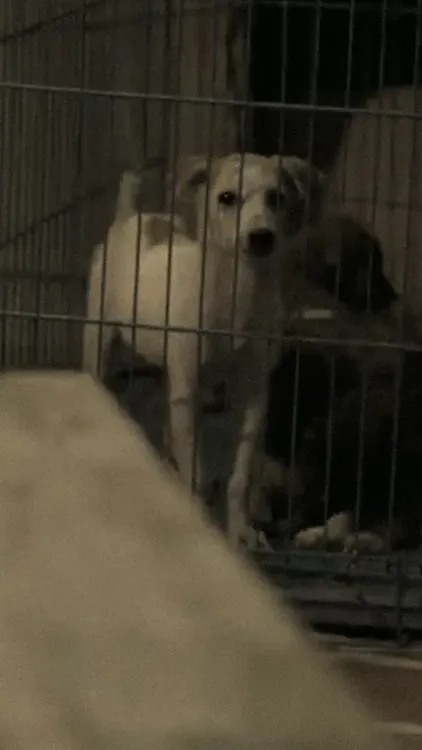
Twenty-six animals got a second chance on Tuesday, November 3, when Assam Chief Minister Himanta Biswa Sarma announced that Assam Police had rescued them from what he described as illegal trade — a small number that carries an outsized message about the state's stance on wildlife exploitation.
In a post on X, CM Sarma called the animals 'pawsome friends' and framed the rescue as the opening of 'a new chapter of care, kindness and hope.' The phrasing was warm, but the underlying declaration was pointed: 'No life should ever be treated as a commodity.' That line doubles as a public warning to networks trafficking in animals across the Northeast.
Assam Police's role in the crackdown
Assam Police drew direct credit from the Chief Minister, who said 'kudos' to the force for 'bringing them to safety.' The state law enforcement agency operates as the frontline against the illegal pet and wildlife trade — a trade that thrives along porous borders and unregulated markets in the region. A chief ministerial shoutout like this signals institutional backing for continued enforcement rather than a one-off action.
The illegal animal trade and Assam's zero-tolerance signal
India's Northeast sits at a critical junction for wildlife trafficking routes, with animals — both exotic pets and protected species — frequently moved across state and international borders. Central laws such as the Wildlife Protection Act and the Prevention of Cruelty to Animals Act provide the legal framework, but enforcement is largely a state-level responsibility. CM Sarma used this moment to restate Assam's position unambiguously: the state 'stands firmly against the illegal trade and exploitation of innocent animals.'
State governments across India periodically highlight such police actions as part of broader law-and-order communication. What gives this one texture is the personal, almost affectionate tone from the Chief Minister — humanising the rescued animals while hardening the political line against those who exploit them.
With 26 animals now in safety, the next markers to watch are the rehabilitation outcomes and whether prosecutions follow — because a rescue without accountability is only half the story.
Point of View
Who frequently uses social media to project a governance-first image, the post reinforces Assam Police's active role beyond routine law and order. The Northeast's geographical exposure to wildlife trafficking routes gives such statements a sharper edge than in other states. Watch whether this translates into sustained prosecution drives or remains a one-time communication beat.
NationPress
3 Nov 2026
Frequently Asked Questions
How many animals did Assam Police rescue according to CM Himanta Sarma?
26 animals were rescued, according to a post by Assam Chief Minister Himanta Biswa Sarma on November 3, 2026 .
What did CM Himanta Sarma say about illegal animal trade in Assam?
CM Sarma stated that 'Assam stands firmly against the illegal trade and exploitation of innocent animals' and declared that 'no life should ever be treated as a commodity.'
Which law covers illegal animal trade in India?
India's Wildlife Protection Act and the Prevention of Cruelty to Animals Act are the primary central laws governing wildlife and animal trade; enforcement is largely carried out by state police agencies.
What will happen to the 26 rescued animals in Assam?
CM Sarma indicated the animals would receive care, saying 'a new chapter of care, kindness and hope awaits them,' though specific details of rehabilitation arrangements have not been officially confirmed.
Is Northeast India a hotspot for illegal wildlife trafficking?
Yes, the Northeast's porous borders and proximity to international wildlife trade routes make it a known transit zone, which is why state-level enforcement actions carry heightened significance in the region.