HP CM Office Meets Deaf Cricket Captain Varinder Thakur
Synopsis
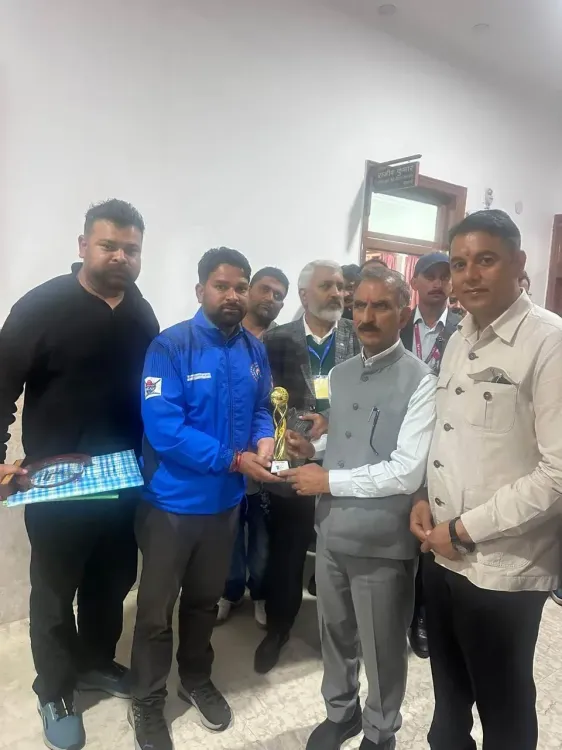
The Chief Minister's Office of Himachal Pradesh met Varinder Thakur, captain of the Indian Deaf Cricket Team and an Amb resident, on 20 November 2026, praising his dedication and pledging state support for his sporting advancement.
Key Takeaways
Varinder Thakur , captain of the Indian Deaf Cricket Team , met the Himachal Pradesh Chief Minister's Office on 20 November 2026 .
Thakur is a resident of Amb in Una district , falling under the Chintpurni assembly constituency .
The CMO described his dedication, struggle, and achievements as 'deeply inspiring' and expressed pride in his talent.
The government stated its intention to support Varinder Thakur's continued progress, though specific commitments were not detailed.
The meeting reflects Himachal Pradesh's broader effort to recognise para and deaf athletes from rural and smaller-town backgrounds.
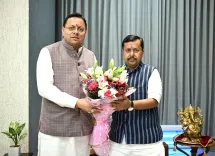
A cricketer who cannot hear the crowd's roar has earned the loudest recognition from the state. On Friday, 20 November 2026, the Chief Minister's Office of Himachal Pradesh announced that Varinder Thakur — captain of the Indian Deaf Cricket Team and a resident of Amb in the Chintpurni assembly constituency — paid a visit to the office, drawing warm appreciation for his dedication, struggle, and achievements in the sport.
The CMO's post, written in Hindi, expressed pride in Thakur's talent: 'खेल के प्रति उनका समर्पण, संघर्ष और उपलब्धियाँ बेहद प्रेरणादायक हैं' — 'His dedication, struggle, and achievements in sport are deeply inspiring.' The statement added that the government stands committed to supporting Varinder Thakur as he moves forward — signalling an intent to back him with state resources, though specific commitments were not detailed in the post.
From Amb to the National Captaincy
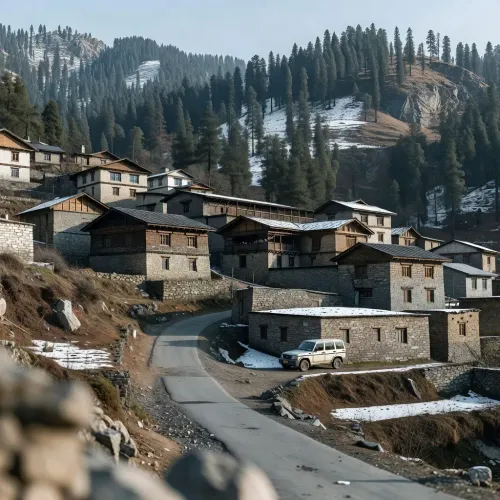
Varinder Thakur hails from Amb, a town in Una district of Himachal Pradesh — a region better known for agriculture and small industry than for elite sport. His rise to captain the Indian Deaf Cricket Team at the national level represents the kind of against-the-odds journey that rarely makes prime-time headlines but quietly reshapes what a sporting career in rural India can look like.
Deaf cricket in India operates under a separate competitive structure from the mainstream game, with players competing in national and international deaf cricket events. Captaining that side carries real weight — it means leading peers who navigate a world of sport built largely for the hearing, without the verbal calls, the sledging, the mid-pitch conversation that defines so much of the game's texture.
Himachal Pradesh's Quiet Push for Inclusive Sport
The meeting fits a broader pattern across Indian state governments: publicly acknowledging para and deaf athletes not just as welfare cases but as competitive talents deserving institutional backing. Himachal Pradesh has a track record of engaging sportspersons from smaller towns and rural constituencies — a recognition that talent pipelines in hill states run through villages, not academies.
The CMO's framing — pride in talent, government as enabler — signals that some form of follow-up support, whether financial assistance, training access, or facilitation for upcoming deaf cricket events, may be in the pipeline. The state's next move on that front will determine whether this visit becomes a turning point or a photo opportunity.
Point of View
Backing a deaf cricket captain from a rural Una constituency also carries political resonance in the Chintpurni belt. The post's deliberate mention of government support, however vague, creates a public expectation of follow-through. Whether the state converts this goodwill meeting into tangible backing — training grants, event facilitation, or formal recognition — will reveal how seriously Himachal Pradesh treats deaf sport beyond the press photograph.
NationPress
20 Nov 2026
Frequently Asked Questions
Who is Varinder Thakur?
Varinder Thakur is the captain of the Indian Deaf Cricket Team and a resident of Amb in Una district, Himachal Pradesh, under the Chintpurni assembly constituency.
Why did Varinder Thakur meet the Himachal Pradesh CM Office?
He met the Chief Minister's Office on 20 November 2026, where the CMO praised his sporting dedication and achievements and indicated government support for his continued progress.
What is the Indian Deaf Cricket Team?
The Indian Deaf Cricket Team is a national-level cricket side representing deaf players from India in domestic and international deaf cricket competitions.
What support did the Himachal Pradesh government promise to Varinder Thakur?
The CMO's post stated the government would support Varinder Thakur in moving forward, but specific commitments such as financial aid or training grants were not detailed in the announcement.
Where is Amb, the hometown of Varinder Thakur?
Amb is a town in Una district of Himachal Pradesh, located within the Chintpurni assembly constituency.