Yadav meets Venezuela's Ecosocialism Minister at COP31
Synopsis
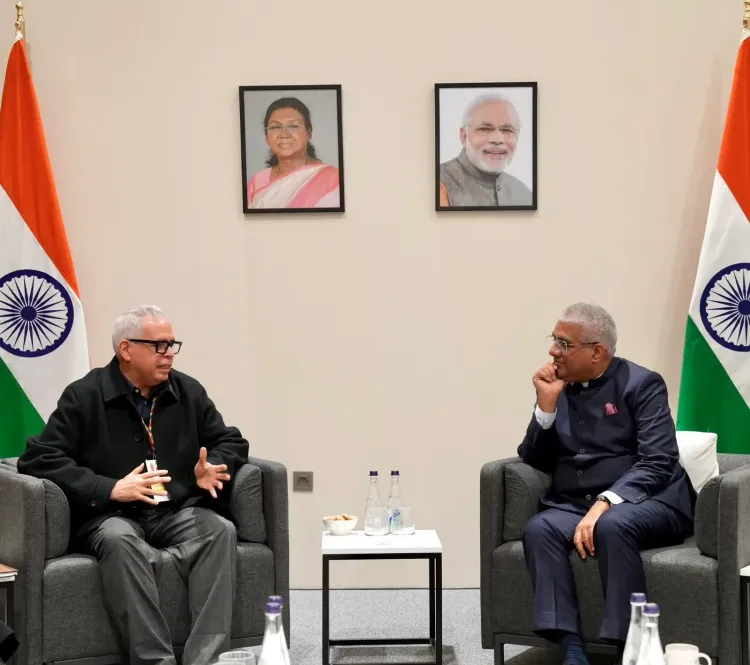
Union Environment Minister Bhupender Yadav met Venezuela's Ecosocialism Minister Nelson Rodríguez González at COP31 in Antalya, Türkiye, covering big cat conservation under India's IBCA framework, wildlife rehabilitation, and bilateral energy security — extending India's Global South climate diplomacy into Latin America.
Key Takeaways
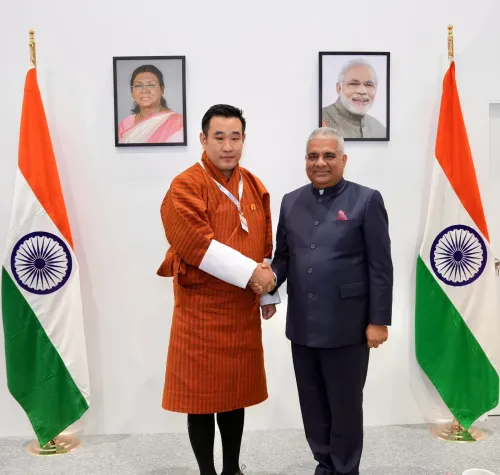
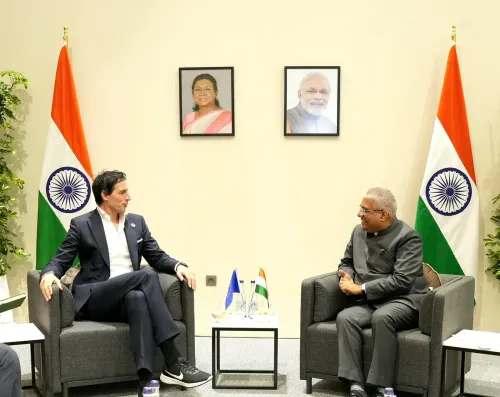
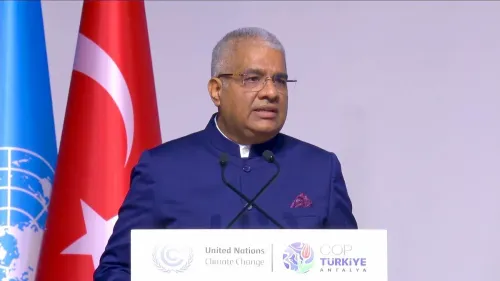
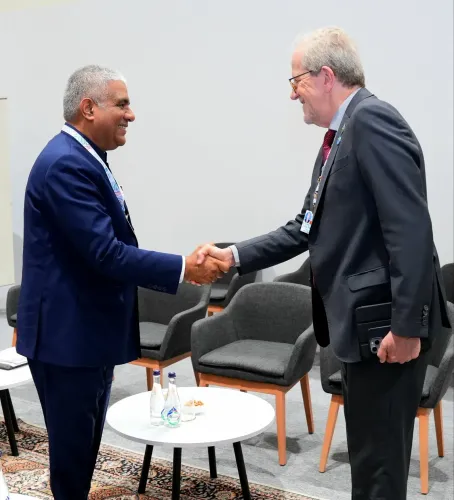
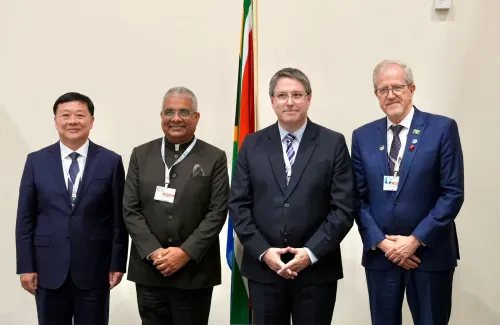
Union Environment Minister Bhupender Yadav met Venezuela's Minister of People's Power for Ecosocialism, Nelson Alexander Rodríguez González on the sidelines of COP31 in Antalya, Türkiye on November 20, 2026 .
Discussions covered climate issues, big cat conservation, wildlife rescue and rehabilitation, and energy security.
India launched the International Big Cat Alliance (IBCA) in 2023 to drive global cooperation on tiger, lion, and other big cat conservation — Venezuela's tropical habitats make it a potential partner.
India and Venezuela have maintained crude oil trade ties since the 2000s as part of India's energy diversification strategy.
No specific agreements or MoUs were announced from the meeting.
The meeting reflects India's broader strategy of using COP sidelines to combine climate, biodiversity, and energy diplomacy with Global South partners.
On the sidelines of COP31 in Antalya, Türkiye, Union Environment Minister Bhupender Yadav sat down with Venezuela's Minister of People's Power for Ecosocialism, H.E. Nelson Alexander Rodríguez González — a meeting that bundled climate talks, big cat diplomacy, and energy strategy into a single bilateral exchange on Friday, November 20, 2026.
Yadav confirmed the meeting on X, noting that beyond climate-related issues, the two ministers 'exchanged views on bilateral cooperation in big cat conservation, wildlife rescue and rehabilitation, and energy security' — a compact agenda that reflects how New Delhi now uses multilateral climate gatherings as a parallel track for strategic diplomacy.
Big cats, wildlife rescue, and India's global conservation push
The wildlife thread of the conversation carries institutional weight. India launched the International Big Cat Alliance (IBCA) in 2023, a multilateral platform designed to bring global partners into India's framework for protecting tigers, lions, cheetahs, and other big cat species. Outreach to a Latin American partner like Venezuela — which shares tropical and savanna habitats with big cat populations including jaguars — fits squarely into that expansion strategy.
Wildlife rescue and rehabilitation cooperation is a natural extension of that agenda: standardising protocols, sharing expertise, and potentially enabling joint capacity-building programmes across the Global South. No specific agreements were announced from this meeting.
Venezuela, crude oil, and India's energy security calculus
India and Venezuela have maintained energy trade ties for over two decades, with Indian refiners importing Venezuelan heavy crude under long-term arrangements dating back to the 2000s as part of New Delhi's deliberate strategy to diversify oil sources. The fact that energy security found its way onto the agenda of an environment ministry bilateral — rather than being handled separately by the petroleum ministry — signals that India is weaving resource diplomacy into its climate-forum engagements.
Rodríguez González, as Venezuela's Ecosocialism minister, occupies an ideologically distinct portfolio that frames environmental stewardship through a socialist developmental lens — making a conversation with India's market-economy environment minister a genuinely cross-paradigm exchange.
India's Latin America outreach at COP
India has increasingly used COP sidelines to extend its environmental diplomacy beyond its immediate neighbourhood, targeting Global South partners across Africa, Southeast Asia, and Latin America. Venezuela sits at a rare intersection for India: a country with significant biodiversity, major fossil fuel reserves, and a political identity that resonates with non-aligned traditions New Delhi has long cultivated.
What follows — whether in the form of a formal MoU on big cat conservation, a wildlife rehabilitation framework, or renewed energy cooperation language — will be the real measure of whether this meeting in Antalya seeds something durable.
Point of View
Or remains a courteous exchange at altitude.
NationPress
20 Nov 2026
Frequently Asked Questions
What did Bhupender Yadav discuss with Venezuela's minister at COP31?
Yadav met Venezuela's Ecosocialism Minister Nelson Rodríguez González at COP31 in Antalya, Türkiye, discussing climate issues, big cat conservation, wildlife rescue and rehabilitation, and energy security.
What is the International Big Cat Alliance?
India launched the International Big Cat Alliance (IBCA) in 2023 to promote global cooperation on the conservation of tigers, lions, cheetahs, and other big cat species, with an emphasis on bringing international partners into a shared framework.
Does India import oil from Venezuela?
Yes. India has imported crude oil from Venezuela under long-term arrangements since the 2000s as part of its strategy to diversify energy sources and strengthen energy security.
Where is COP31 being held?
COP31, the annual UN climate conference, is being held in Antalya, Türkiye, though specific details of its timing and venue are based on the ministerial post and have not been independently verified.
Why does India hold bilateral meetings at COP?
India uses the COP sidelines to combine climate negotiations with wildlife diplomacy and energy discussions, extending outreach to partners across the Global South beyond its immediate neighbourhood.