Kishan Reddy Spotlights India's Coal and Mines Growth Story
Synopsis
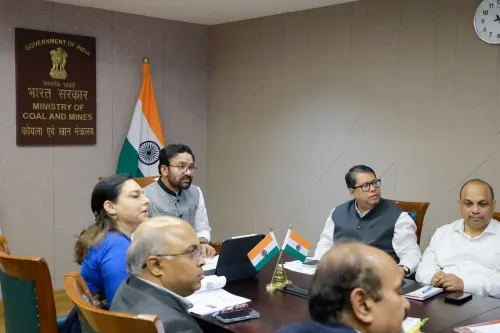
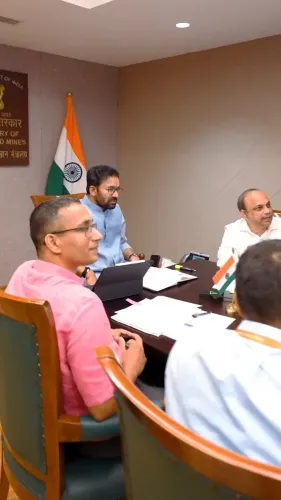
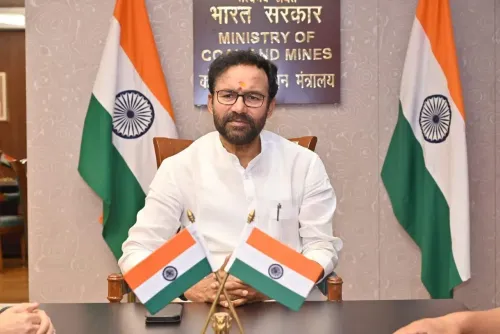
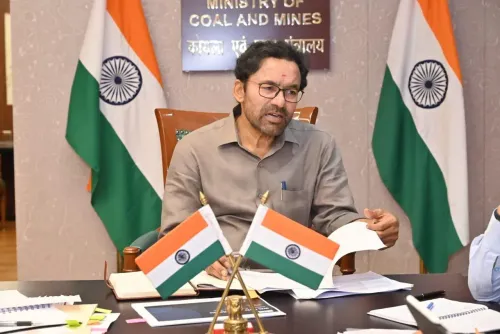
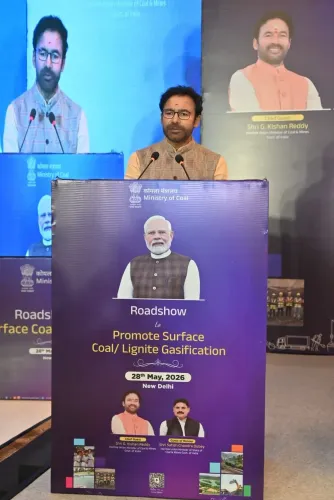
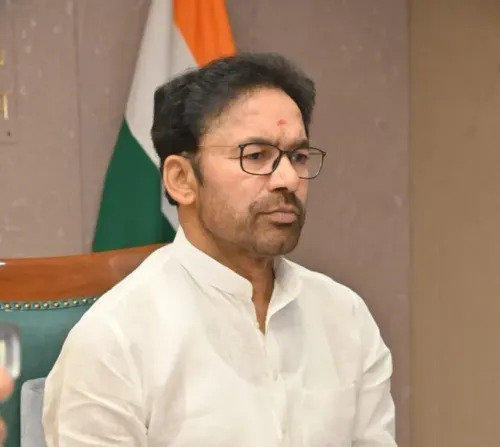
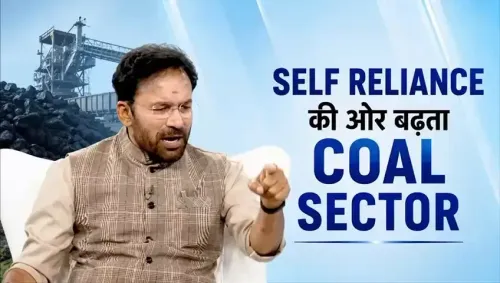
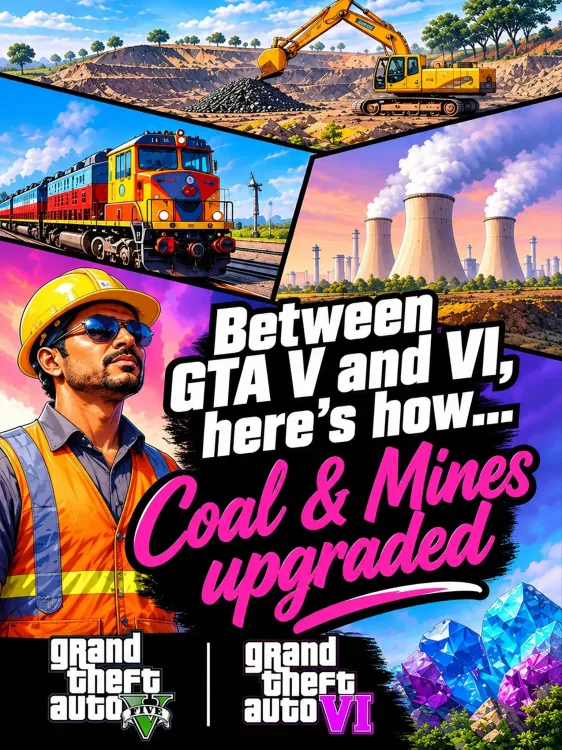
Union Coal and Mines Minister G. Kishan Reddy posted a five-image visual on November 20, 2026, with the caption 'POV: You're watching India power its own growth,' spotlighting domestic coal and mineral extraction as the driver of India's economic momentum.
Key Takeaways
Kishan Reddy , Union Minister of Coal and Mines, posted a five-image dispatch on November 20, 2026 , framing India's mining sector as the engine of national growth.
The post was tagged to both @CoalMinistry and @MinesMinIndia , reflecting Reddy's dual-ministry portfolio.
India opened commercial coal mining to private players under the Atmanirbhar Bharat package in 2020 , ending a decades-long state monopoly.
The Coal Mines (Special Provisions) Act, 2015 established a transparent auction process after the Supreme Court cancelled earlier block allocations.
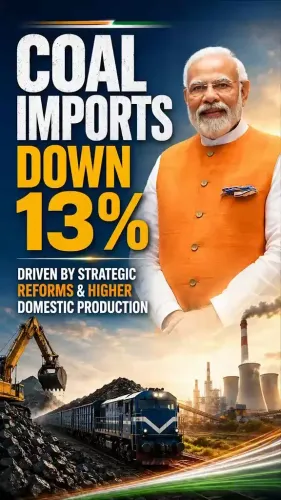
Rising domestic coal output is central to India's strategy of reducing thermal coal imports and securing energy for a predominantly thermal power sector.
The Ministry of Mines portfolio — covering non-coal critical minerals — positions the ministry at the intersection of legacy energy and India's clean-energy transition.
India's energy self-reliance is not an ambition on paper anymore — it is being dug out of the ground, block by block. Union Coal and Mines Minister G. Kishan Reddy posted a striking visual dispatch on X on Friday, November 20, 2026, framing India's domestic resource extraction through a simple, arresting lens: 'POV: You're watching India power its own growth.'
The POV That Says More Than a Press Release
Five images. No lengthy manifesto. The minister's post, tagged to both @CoalMinistry and @MinesMinIndia, leaned on visual storytelling to make its case — that the coal pits and mine shafts of India are, at this moment, doing something historically significant. The 'POV' framing is deliberate: it places the citizen inside the story, not as a bystander to policy, but as a witness to national momentum. Reddy, who holds charge of both the Ministry of Coal and the Ministry of Mines, has consistently positioned domestic resource extraction as the backbone of India's industrial growth narrative. The dual-ministry brief gives him an unusually wide canvas — from thermal coal that keeps the lights on, to the critical minerals that power electric vehicles and electronics.From Cancelled Blocks to Commercial Auctions: The Policy Arc
The ministry's current energy did not emerge in a vacuum. After the Supreme Court cancelled a sweeping set of coal block allocations, the government responded with the Coal Mines (Special Provisions) Act, 2015 — a structural reset that put coal blocks under a transparent auction process. Five years later, the Atmanirbhar Bharat package of 2020 tore open commercial coal mining to private players for the first time, ending a decades-long state monopoly and directly targeting import dependence. The logic was blunt: India sits on some of the world's largest coal reserves yet was still importing thermal coal to run power plants. Closing that gap was framed as both an economic and a national-security imperative.What Rising Domestic Output Actually Means
For power utilities and coal mining companies, the policy shift has translated into a steadily expanding pipeline of domestic supply. India's power sector — still overwhelmingly thermal — has a direct stake in whether domestic production can outpace surging electricity demand. Every tonne mined at home is a tonne not paid for in foreign exchange. The Ministry of Mines side of Reddy's portfolio adds another layer: non-coal minerals, from bauxite to lithium, are increasingly central to India's clean-energy transition ambitions. That makes the 'powering its own growth' line more than coal boosterism — it is a signal that the ministry sees its mandate stretching from legacy energy to future-facing materials. Watch the next quarterly production figures and any fresh commercial coal block auction announcements — those numbers will tell the real story behind this week's images.Point of View
Particularly as India's electricity demand continues its upward climb. The dual tagging of both ministries suggests a deliberate attempt to present coal and critical minerals as a unified growth story, not siloed portfolios. For the BJP, connecting resource extraction to everyday growth is also an exercise in translating macro-policy into voter-legible outcomes — especially in a state like Telangana, where Reddy holds the party presidency.
NationPress
20 Nov 2026
Frequently Asked Questions
Who is G. Kishan Reddy?
G. Kishan Reddy is India's Union Minister of Coal and Mines and also serves as the BJP's Telangana state president. He holds charge of both the Ministry of Coal and the Ministry of Mines.
What is India's commercial coal mining policy?
India opened commercial coal mining to private companies in 2020 under the Atmanirbhar Bharat package, ending a long-standing state monopoly. Coal blocks are now auctioned transparently under the Coal Mines (Special Provisions) Act, 2015.
Why does India want to increase domestic coal production?
India aims to raise domestic coal output to meet rising electricity demand — most of its power is thermal — and to reduce expensive thermal coal imports, treating higher production as both an economic and energy-security priority.
What does the Ministry of Mines oversee?
The Ministry of Mines is responsible for non-coal mineral policy and mining leases, covering minerals from bauxite to critical minerals like lithium that are important for India's clean-energy transition.
What should we watch for next in India's coal sector?
Key indicators to track include the next quarterly domestic coal production figures and any fresh commercial coal block auction announcements from the Ministry of Coal.