Kishan Reddy: Coal Powers 70% of India's Electricity
Synopsis
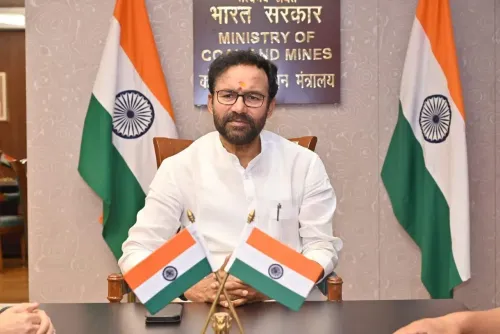
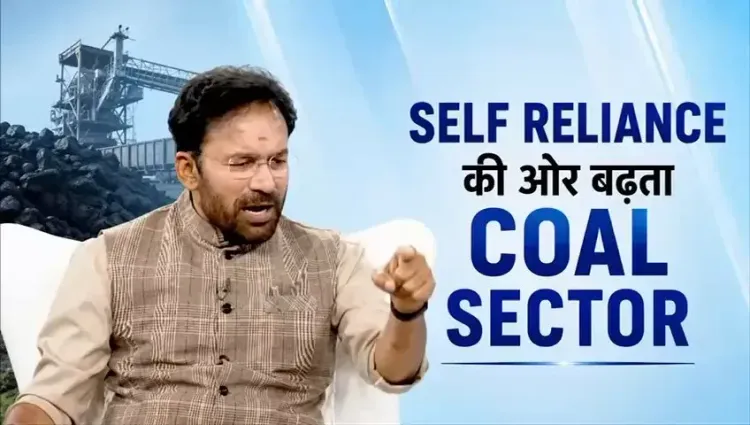
Union Coal and Mines Minister G. Kishan Reddy has stated that coal generates nearly 70 per cent of India's electricity and that his ministry sends PM Narendra Modi a detailed weekly report on production and stock levels, underlining the Centre's close oversight of the sector.
Key Takeaways
Coal generates nearly 70 per cent of India's electricity, according to Union Minister G.
The Ministry of Coal submits a detailed weekly report to PM Narendra Modi covering production figures and stock levels.
Multiple industries beyond power — including steel and cement — depend on consistent coal supply managed by the ministry.
Commercial coal mining was opened to private players in 2020 to boost domestic output and cut import dependence.
The minister publicly acknowledged the role of coal sector employees and workers in meeting citizen needs.
Monthly production data releases and the upcoming parliamentary monsoon session are the next key watchpoints for the sector.
Union Coal and Mines Minister G. Kishan Reddy on Saturday, 23 May 2026, highlighted coal's central role in India's power supply, stating that the fuel generates nearly 70 per cent of the nation's electricity. The minister also disclosed that his ministry submits a detailed weekly report to Prime Minister Narendra Modi covering production figures, stock levels, and other critical sector updates.
Context
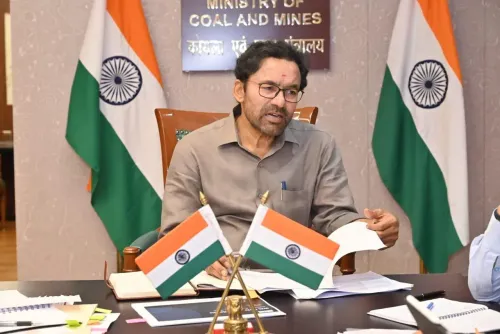
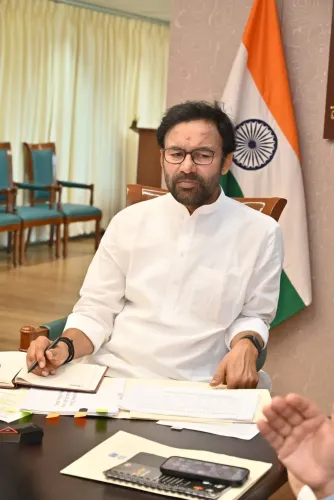
Reddy's post, shared on X and tagged to Sansad TV, underlines the ministry's accountability framework at the highest level of government. 'Every week, we send a detailed report to Hon'ble PM Shri Narendra Modi on production, stock levels, and other crucial updates,' the minister wrote, signalling direct prime-ministerial oversight of the sector.
The statement comes as India navigates a dual energy challenge: sustaining coal-based generation to meet rising electricity demand while simultaneously scaling up renewable capacity under national climate commitments.
Policy Backdrop
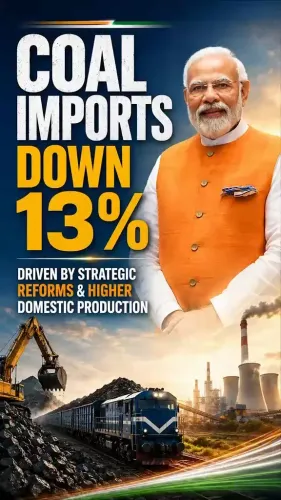
Coal has been the backbone of India's electricity grid for decades, and successive governments have maintained tight central monitoring of output from Coal India Limited and the Singareni Collieries Company to prevent supply-side power shortages. The Ministry of Coal has been at the centre of efforts to boost domestic production and reduce dependence on imports.
A landmark policy shift came in 2020, when commercial coal mining auctions were opened to private players for the first time, aimed at increasing domestic output and diversifying the supplier base. That reform, initiated under the Modi government, has shaped the current production and allocation landscape that the ministry now reports on weekly.
Reddy also acknowledged the workforce behind these operations: 'With several industries dependent on coal, employees and workers at the Coal Ministry work with diligence and responsibility to meet the needs and aspirations of our citizens.'
Stakeholders and Impact
Power utilities are the most immediate stakeholders, as any disruption in coal stock levels translates directly into load-shedding for households and industry. Beyond electricity, coal-dependent sectors such as steel, cement, and aluminium rely on consistent supply chains managed through the ministry's allocation decisions.
The coal sector workforce — spanning miners, logistics personnel, and administrative staff — forms the operational backbone of this supply chain. Reddy's public recognition of their role is notable given ongoing debates about the long-term future of coal employment as India's energy mix gradually shifts.
What's Next
Attention will now turn to the Ministry of Coal's monthly production and stock data releases, which will indicate whether output is keeping pace with pre-monsoon stockpiling targets. Parliamentary discussions on India's energy mix, expected during the upcoming monsoon session, are also likely to revisit the coal-versus-renewables balance.
The minister's emphasis on weekly prime-ministerial briefings suggests the government views coal sector stability as a top governance priority, a posture likely to continue as peak summer demand tests grid capacity across the country.
Point of View
Top-priority portfolio rather than a legacy sector on autopilot. At a time when India's energy transition narrative is dominated by solar and wind targets, the minister is making a clear case that coal remains indispensable to grid stability and cannot be wished away by policy ambition alone. The public acknowledgement of the ministry's workforce also reads as a counter to anxieties about coal employment in a decarbonising economy. Taken together, the statement reinforces the BJP government's consistent line that energy security and transition must proceed in tandem, not at the expense of one another.
NationPress
24 Sept 2026
Frequently Asked Questions
What percentage of India's electricity does coal generate?
According to Union Coal and Mines Minister G. Kishan Reddy, coal generates nearly 70 per cent of India's electricity as of May 2026.
Does the Coal Ministry report to PM Modi regularly?
Yes. Minister G. Kishan Reddy stated that the Ministry of Coal sends a detailed weekly report to Prime Minister Narendra Modi covering production figures, stock levels, and other crucial sector updates.
Which industries depend on coal in India?
Beyond power generation, industries such as steel, cement, and aluminium are among the major consumers of coal in India, making consistent supply a cross-sectoral priority for the Ministry of Coal.
When was commercial coal mining opened to private players in India?
Commercial coal mining auctions were opened to private companies in 2020 under the Modi government, marking a significant policy shift aimed at boosting domestic output and reducing import dependence.
Who is G. Kishan Reddy?
G. Kishan Reddy is the Union Minister of Coal and Mines in the Government of India and also serves as the BJP's Telangana state president.