CM Fadnavis chairs Mumbai-Pune water planning meet
Synopsis
Chief Minister Devendra Fadnavis chaired a detailed water-planning meeting in Mumbai on 20 November 2026, issuing directives to close projected supply gaps for the Mumbai and Pune metropolitan regions through new dams, river-linking, wastewater reuse, smart metering, and a proposed MIDC water subsidiary for industries and data centres.
Key Takeaways
Mumbai Metropolitan Region faces a projected daily water demand of 16,139 MLD by 2051 , up from a current population base of roughly 2.75 crore .
Pune Metropolitan Region already has a supply shortfall, with demand at 41.65 TMC against a reservation of 36.90 TMC ; demand is projected to hit 100 TMC by 2047 .
Environmental, forest, and land-acquisition clearances for proposed dams including Kalu, Balganga, and Kondhane must be pursued in parallel to avoid further delays.
A Konkan-to-Bhima basin river-linking scheme and tapping 8 TMC from Mulshi Dam for Khadakwasla are under study for Pune's long-term supply.
MIDC has been asked to draft a plan for a wholly-owned subsidiary to supply treated and conventional water to industries and data centres.
Smart meters, 24-hour supply schemes, and water audits by municipal bodies could save approximately 350 MLD in the Pune region alone.
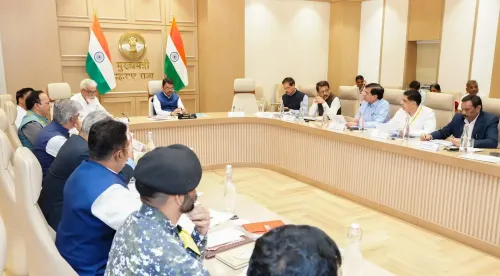
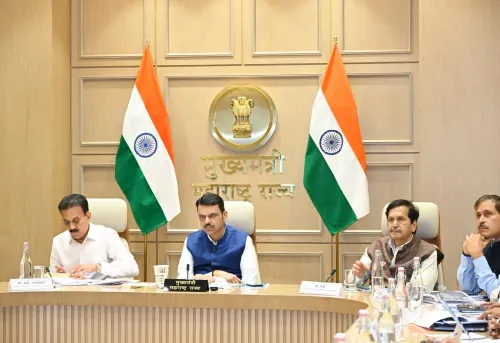
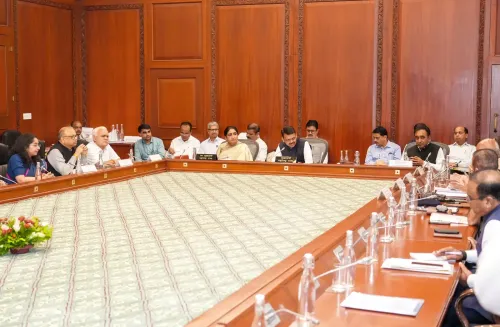
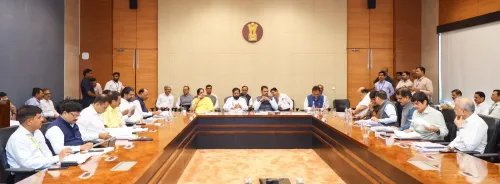
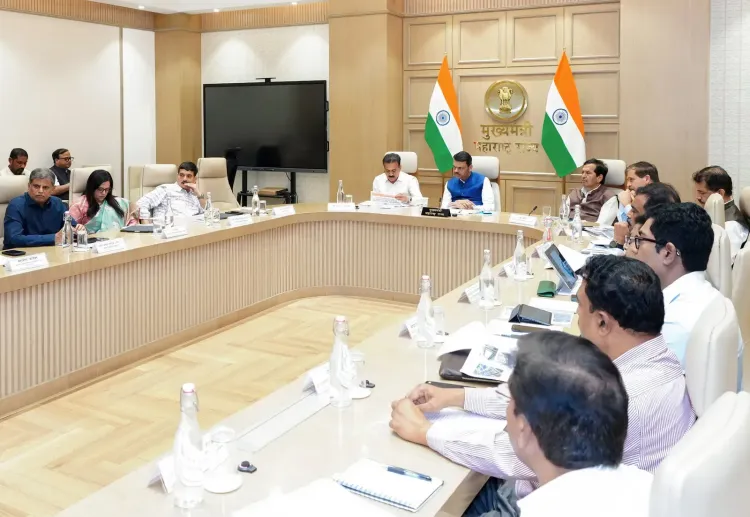
A sprawling megalopolis drinking itself dry by 2051 — that is the scenario Maharashtra Chief Minister Devendra Fadnavis moved to head off on Friday, 20 November 2026, chairing a high-level water-planning meeting at Varsha, his official Mumbai residence, to chart integrated, long-term water security for both the Mumbai Metropolitan Region (MMR) and the Pune Metropolitan Region (PMR).
The demand gap that cannot wait
The numbers on the table were sobering. MMR's current population of roughly 2.75 crore is expected to drive daily water demand to 16,139 million litres per day (MLD) by 2051 — a figure that existing reservoirs at Bhatsa, Pinjal, Tansa, and Vaitarna alone cannot bridge. Fadnavis directed authorities to pursue 'multidimensional solutions urgently' to close the gap between available and projected supply.
Pune's arithmetic is equally stark. The region's population of approximately 1.80 crore is projected to more than double to 4.12 crore by 2047, pushing total water demand to nearly 100 TMC (7,816 MLD), against a current reservation of only 36.90 TMC against demand of 41.65 TMC — a shortfall that already exists today.
Proposed dams, stalled clearances, and the parallel-track fix
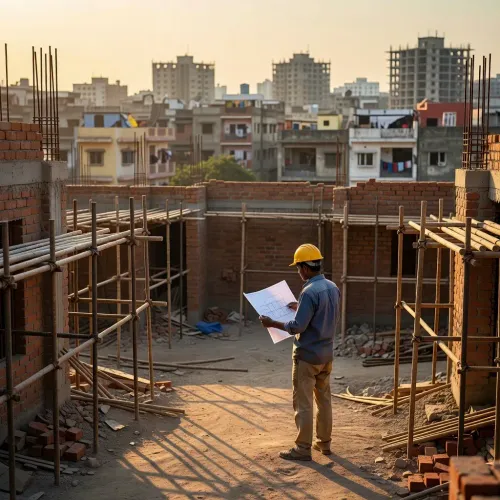
The meeting identified forest and environmental approvals, land acquisition, and rehabilitation as the central bottlenecks choking projects like Kalu, Dehranji, Balganga, Kondhane, Kholsapada, and Shilar in the Mumbai region. Fadnavis's directive was unambiguous: all statutory clearances — forest, environmental, and land — must be pursued samantar (in parallel), not sequentially, so construction can accelerate the moment approvals land.
Ongoing dam projects are only part of the answer. The CM's directives also called for secondary and tertiary treatment of sewage, separate distribution pipelines for treated water, and rainwater harvesting to be baked into the planning framework from the start — not retrofitted later.
Pune's river-linking ambition and the Mula-Mutha corridor
For Pune, the meeting floated one of its more ambitious long-range options: diverting water from the Savitri river basin in central Konkan into the Kukadi, Bhima, Indrayani, Mula-Mutha, and Nira river basins through an inter-basin river-linking scheme. Officials were asked to prepare a Primary Project Report (PPR) for a Konkan-to-Bhima basin link.
A shorter-range option also emerged: tapping roughly 8 TMC from Mulshi Dam and conveying it via pipeline to the Khadakwasla catchment area — a proposal whose technical and financial feasibility is to be studied. Fixing leakage and unmetered supply through 24-hour water supply schemes and smart meters could alone yield savings of around 350 MLD in the Pune region.
MIDC subsidiary to serve industries and data centres
Perhaps the meeting's most structurally novel proposal: directing the Maharashtra Industrial Development Corporation (MIDC) to draft a plan for a wholly-owned subsidiary dedicated solely to supplying water to industries and data centres. The subsidiary would draw from both conventional sources and treated effluent from municipal sewage treatment plants, with tertiary-treated water earmarked for high-volume consumers such as power plants and data centres — freeing potable supply for residents.
Municipal corporations and councils were also instructed to conduct rigorous water audits, reconciling inflow, distribution, and actual billing to stamp out non-revenue water — the industry term for water produced but never paid for. Smart meters for commercial and industrial users are to be rolled out in phases.
Ministers Mangalprabhat Lodha, Girish Mahajan, Adv. Ashish Shelar, and Ganesh Naik, along with senior officials, attended the meeting.
Maharashtra has been talking about Mumbai and Pune water augmentation since the early 2000s; what Friday's meeting signals is a shift from project-by-project firefighting to a single, timeline-bound master plan — one that must hold for the next quarter-century, whether the demand comes from a household tap, a cooling tower, or a server rack.
Point of View
Deadline-anchored master plan — a governance shift driven partly by the emergence of data centres and industrial corridors as water-intensive demand centres the original dam blueprints never anticipated. The proposal to create an MIDC water subsidiary is structurally significant: it separates industrial water procurement from civic supply chains, potentially making infrastructure financing easier to ring-fence and cost-recover. The river-linking ambitions, however, remain the most politically and ecologically complex piece — Konkan-to-Bhima diversion will require inter-regional consensus and rigorous environmental scrutiny that rarely moves at the pace political meetings prefer. The real test of the directive will be whether the parallel-clearance model breaks the bureaucratic sequencing that has historically stalled Maharashtra's dam pipeline.
NationPress
20 Nov 2026
Frequently Asked Questions
What was decided at CM Fadnavis's water planning meeting on 20 November 2026?
Chief Minister Devendra Fadnavis chaired a meeting at Varsha, Mumbai to plan long-term water supply for the Mumbai and Pune metropolitan regions, issuing directives on new dam projects, wastewater reuse, river-linking studies, smart metering, water audits, and a proposed MIDC subsidiary for industrial water supply.
How much water will Mumbai Metropolitan Region need by 2051?
According to projections presented at the meeting, the Mumbai Metropolitan Region will require approximately 16,139 million litres per day (MLD) of water by 2051, against a current population of around 2.75 crore.
What is Pune Metropolitan Region's water shortage situation?
Pune Metropolitan Region currently has a water reservation of 36.90 TMC against a demand of 41.65 TMC — a gap that already exists today. By 2047, with the population projected to reach 4.12 crore, total demand is estimated at around 100 TMC.
What is the proposed MIDC water subsidiary for Maharashtra?
The meeting directed the Maharashtra Industrial Development Corporation (MIDC) to draft a plan for a wholly-owned subsidiary that would supply water — both from conventional sources and treated sewage — exclusively to industries, power plants, and data centres, reducing pressure on potable supply for residents.
Which new dams are proposed for Mumbai's water supply and what is blocking them?
Proposed projects include the Kalu, Dehranji, Balganga, Kondhane, Kholsapada, and Shilar dams. Forest and environmental clearances, land acquisition, and rehabilitation processes have been the primary bottlenecks; Fadnavis directed that all these approvals be pursued simultaneously rather than one after another.