CM Himanta Meets Grassroots Supporters, Shares Candid Post
Synopsis
Assam Chief Minister Himanta Biswa Sarma posted a personal video on X on 24 May 2026, describing his grassroots supporters as his 'biggest support system.' The post highlights the organisational and personal networks central to his leadership of BJP in Assam and his role as NEDA convenor ahead of the state assembly elections.
Key Takeaways
Himanta Biswa Sarma , Assam Chief Minister and BJP leader, shared a video on 24 May 2026 acknowledging his grassroots support base.
The post is framed as a personal 'point of view' moment, signalling direct engagement with party workers and community supporters.
Sarma has served as Assam CM since May 2021 and is the convenor of the North-East Democratic Alliance (NEDA) , formed in 2016 .
BJP first came to power in Assam in 2016 , ending decades of Congress dominance, with Sarma playing a key organisational role.
The outreach comes ahead of Assam assembly elections due by May 2026 , making grassroots consolidation politically significant.
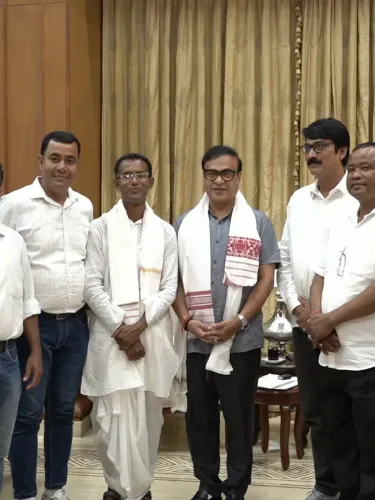
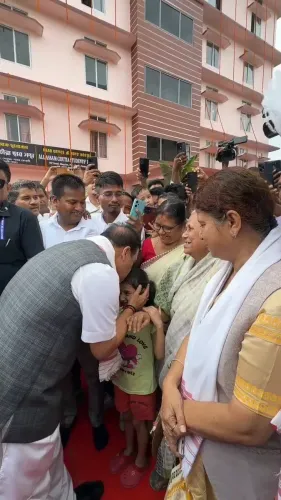
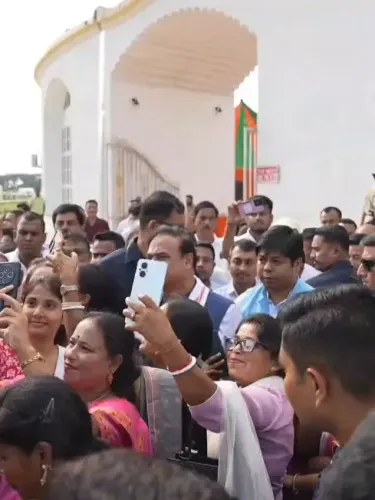
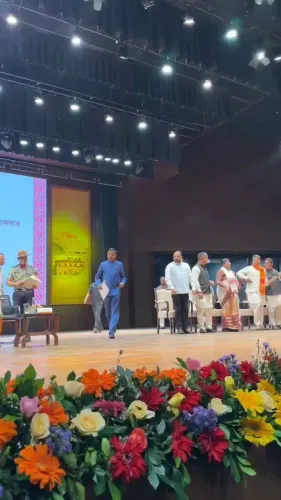
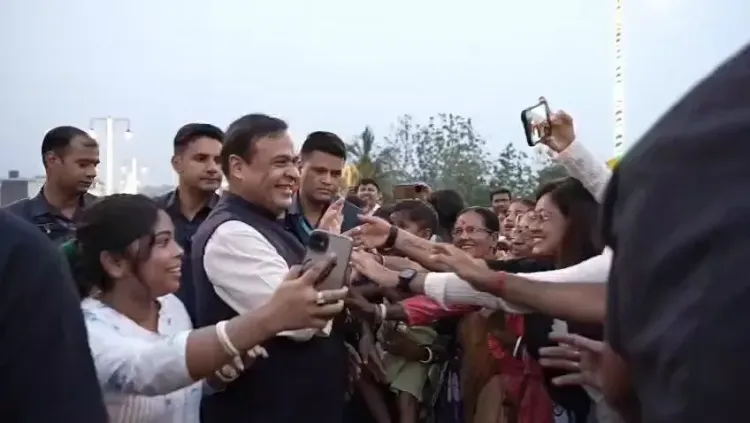
Assam Chief Minister Himanta Biswa Sarma on Sunday, 24 May 2026, shared a video on X capturing what he described as a meeting with the people who form his 'biggest support system,' offering a rare personal glimpse into the grassroots networks that underpin his political standing in the Northeast.
Context
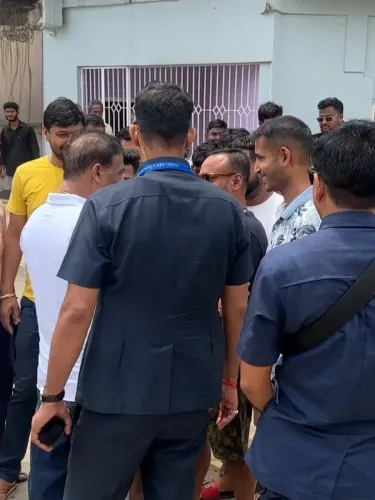
The post, captioned 'POV: You meet the people who are your biggest support system,' was accompanied by a video, the contents of which reflect the Chief Minister's engagement with supporters, party workers, or community members on the ground. The framing — a first-person 'point of view' — is a deliberate choice to humanise the interaction and signal personal investment in grassroots connect.
For a leader of Sarma's stature, such public acknowledgements carry weight beyond sentiment. They serve as visible affirmations of the bond between a ruling party's leadership and the rank-and-file workers who deliver electoral outcomes at the booth level.
Policy Backdrop
Himanta Biswa Sarma has served as Assam's Chief Minister since May 2021, when the BJP-led alliance retained power in the state assembly elections. His political journey — from a senior Congress leader to one of the most prominent faces of the BJP in the Northeast — has been defined by an emphasis on organisational discipline and personal loyalty networks.
As convenor of the North-East Democratic Alliance (NEDA), formed in 2016, Sarma has been the principal architect of BJP's regional expansion strategy across the eight northeastern states. NEDA operates by stitching together regional parties under a common electoral umbrella, making grassroots relationships and inter-party trust central to its functioning.
The BJP first formed a government in Assam in 2016, ending decades of Congress dominance in the state. Sarma had switched from Congress to BJP in August 2015 and was widely credited with engineering that historic victory.
Stakeholders and Impact
The primary audience for this kind of messaging is the party's own cadre — booth-level workers, district functionaries, and NEDA alliance partners whose morale and motivation directly influence electoral performance. Public recognition from the Chief Minister reinforces loyalty and signals that ground-level contributions are seen and valued.
For ordinary citizens and voters in Assam, the post projects an image of an accessible leader who remains rooted despite holding high office. In a state where personalised politics and community ties remain strong determinants of electoral behaviour, such optics are rarely incidental.
What's Next
With Assam assembly elections due by May 2026, the political calendar makes grassroots outreach by the Chief Minister particularly consequential. Sustained engagement with support networks at this stage is consistent with pre-election consolidation — reinforcing the party machinery and shoring up alliance cohesion within NEDA.
Observers will watch whether this renewed emphasis on personal connect translates into visible organisational activity across districts, and whether NEDA constituent parties respond with parallel mobilisation signals of their own.
Point of View
Such visible acknowledgements of the grassroots are rarely spontaneous. The 'POV' format, borrowed from social media culture, is also a deliberate choice to project relatability — a quality that BJP leaders in the Northeast have increasingly cultivated online. Read together with the party's broader Northeast strategy, the post is as much an internal communication as it is a public one.
NationPress
10 Oct 2026
Frequently Asked Questions
Who is Himanta Biswa Sarma?
Himanta Biswa Sarma is the Chief Minister of Assam since May 2021 and a senior BJP leader. He is also the convenor of the North-East Democratic Alliance (NEDA), a BJP-led grouping of regional parties across the Northeast, and was instrumental in ending Congress dominance in Assam in 2016.
What did Himanta Biswa Sarma post on X on 24 May 2026?
Assam CM Himanta Biswa Sarma posted a video on X with the caption 'POV: You meet the people who are your biggest support system,' highlighting his engagement with grassroots supporters and party workers.
What is NEDA and what is Sarma's role in it?
NEDA, or the North-East Democratic Alliance, is a BJP-led coalition of regional parties across Northeast India formed in 2016. Himanta Biswa Sarma serves as its convenor and has been the principal architect of BJP's regional expansion strategy in the Northeast.
When are the next Assam assembly elections?
Assam assembly elections are due by May 2026. The upcoming electoral cycle makes Chief Minister Sarma's grassroots outreach and party consolidation efforts particularly significant at this time.
Why does Himanta Biswa Sarma emphasise grassroots support?
As both Assam CM and NEDA convenor, Sarma's political strength rests on a dense network of party workers, booth-level functionaries, and alliance partners. Public acknowledgement of these networks reinforces loyalty, boosts cadre morale, and signals organisational readiness ahead of elections.