CM Himanta Deploys Team Assam Amid Unfolding Crisis
Synopsis
Assam Chief Minister Himanta Biswa Sarma announced on June 30, 2026 that state teams are deployed on the ground during an ongoing crisis, pledging full administrative effort to deliver relief to affected residents across the state.
Key Takeaways
Assam Chief Minister Himanta Biswa Sarma posted on June 30, 2026 confirming active ground-level monitoring of a crisis in the state.
The Chief Minister stated that #TeamAssam is leaving 'no stone unturned' to ensure assistance reaches affected people.
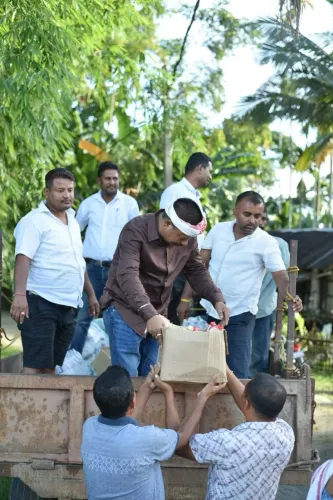
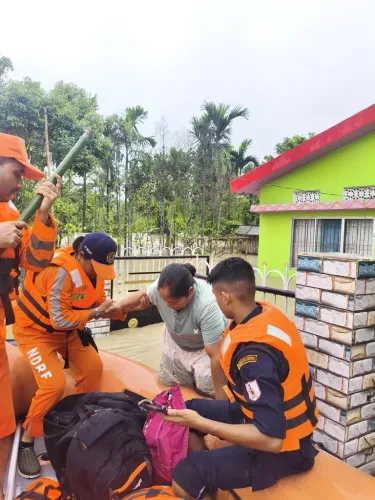
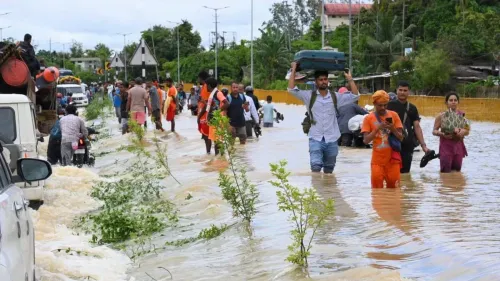
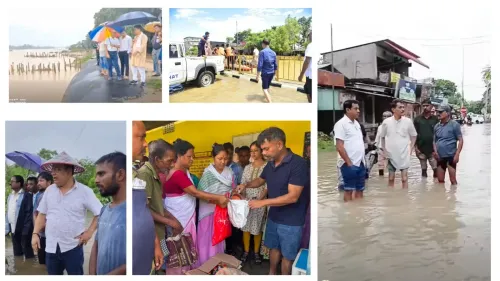
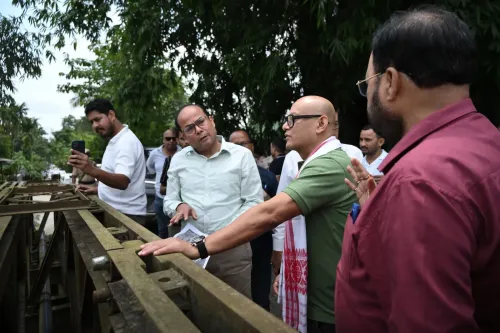
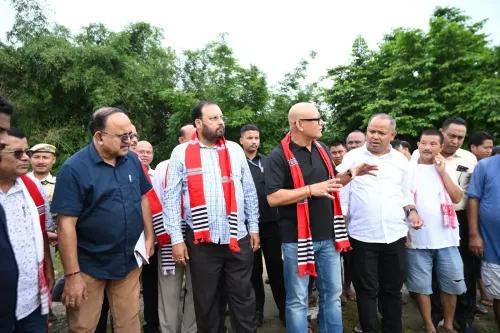
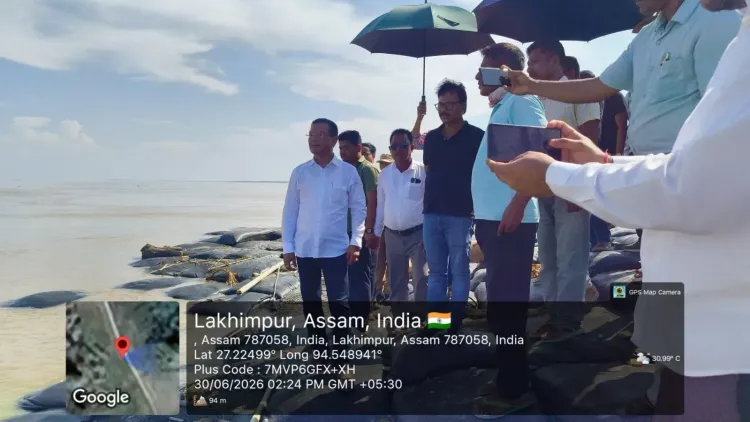
The post was accompanied by four images suggesting field-level relief and monitoring operations are under way.
Assam is among India's most flood-prone states, with the annual monsoon season routinely triggering large-scale displacement and damage.
Key response agencies including the NDRF and State Disaster Management Authority are expected to be part of coordinated relief efforts.
Further updates from the state government are anticipated as the situation evolves through the peak monsoon months of July and August 2026 .
Assam Chief Minister Himanta Biswa Sarma on Tuesday, June 30, 2026, announced that state teams are actively deployed on the ground to monitor an ongoing crisis situation in Assam, pledging that no effort would be spared to deliver assistance to affected residents.
Context
Posting on X late Tuesday evening, Chief Minister Sarma stated that #TeamAssam is 'on the ground monitoring the situation closely' and that the administration is 'leaving no stone unturned to ensure assistance reaches our people in this time of crisis.' The post was accompanied by four images, indicating active field-level operations by state officials and relief personnel.
While the Chief Minister did not name the specific crisis in the post, Assam is perennially vulnerable to annual monsoon flooding and associated disasters, with the state's river systems — including the Brahmaputra and its tributaries — regularly inundating large swathes of land during the June–September season.
Policy Backdrop
Assam has historically faced some of India's most severe flood cycles, with millions of residents affected and thousands of villages inundated each year. The state government under Chief Minister Sarma has in recent years sought to strengthen disaster response infrastructure, including pre-positioning of relief materials, coordination with the National Disaster Response Force (NDRF), and real-time monitoring through district administrations.
The Chief Minister has frequently used social media to provide real-time public updates during emergencies, a practice that has become a key channel of official communication for the Assam government. Such posts serve both an administrative signalling function and a public reassurance role during acute crises.
Stakeholders and Impact
The communities most directly affected in any such crisis scenario in Assam are typically those in low-lying districts along major river corridors, where agricultural land, livestock, and homes face recurring damage. Vulnerable populations — including daily-wage earners, farmers, and residents of remote riverine villages — depend heavily on timely state intervention for food, shelter, and medical support.
District administrations, the State Disaster Management Authority (SDMA), the NDRF, and civil defence volunteers are among the primary operational actors coordinating relief on the ground. The involvement of the Chief Minister's office in direct public communication underscores the political as well as administrative priority being accorded to the situation.
What's Next
As the monsoon season deepens through July and August, conditions in Assam are expected to remain dynamic, with water levels in key rivers a critical variable. The state government is likely to issue further updates as relief operations progress and the full extent of impact becomes clearer.
Chief Minister Sarma's public commitment to round-the-clock monitoring signals that the administration intends to maintain high operational tempo, with further resource deployment and inter-agency coordination anticipated in the days ahead.
Point of View
Personal, and action-oriented — that has become a signature of his administrative style. By invoking '#TeamAssam' and pledging maximum effort, the messaging seeks to project state capacity and political accountability simultaneously. This pattern reflects a broader BJP governance template of using social media as a real-time governance tool, particularly during natural disasters where public anxiety runs high. The absence of specific details about the nature or scale of the crisis, however, means the post functions more as reassurance than information — a distinction that matters as affected communities seek concrete answers.
NationPress
29 Sept 2026
Frequently Asked Questions
What crisis is Assam Chief Minister Himanta Biswa Sarma responding to?
Chief Minister Sarma posted on June 30, 2026 about an ongoing crisis in Assam requiring ground-level monitoring and relief deployment. While the post did not specify the nature of the crisis, Assam is highly prone to severe monsoon flooding each year during the June–September period.
Which agencies handle disaster relief in Assam?
Disaster relief in Assam is coordinated by the State Disaster Management Authority (SDMA), district administrations, and the National Disaster Response Force (NDRF), often supported by the Indian Army and civil defence volunteers during major flood events.
How often does Assam face flood crises?
Assam experiences annual flooding driven by the monsoon season, with the Brahmaputra river and its tributaries regularly inundating large areas. The floods affect millions of residents and hundreds of villages each year, making it one of India's most persistently flood-affected states.
How does CM Himanta Biswa Sarma communicate during emergencies?
Chief Minister Sarma regularly uses his official X (formerly Twitter) account to provide real-time updates during crises, a practice that has become a primary channel of public communication for the Assam government during floods and other disasters.