CM Himanta pays tribute to late BJP veteran Dr. R.K. Sinha
Synopsis
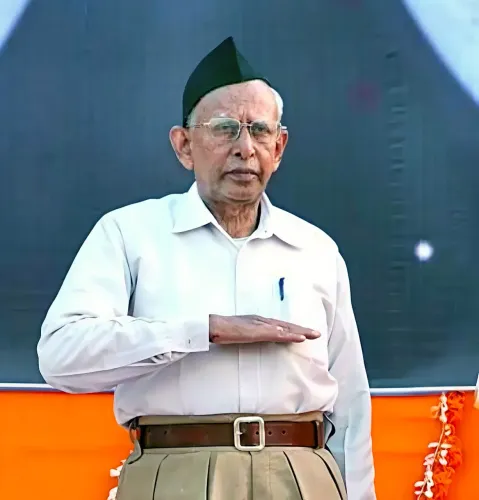
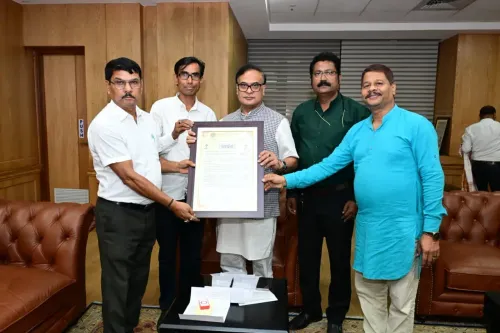
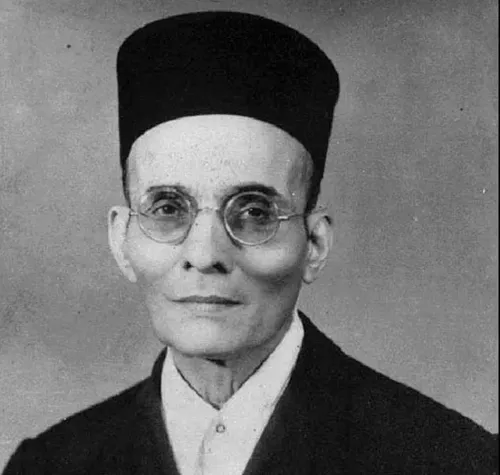
Assam CM Himanta Biswa Sarma personally visited the home of late BJP Rajya Sabha MP Dr. Ravindra Kishore Sinha on 4 November 2026, offering condolences to son Rituraj Sinha and honouring a leader whose career spanned the Jan Sangh era to the BJP.
Key Takeaways
Assam CM Himanta Biswa Sarma made a personal condolence visit to the home of late BJP leader Dr.
Ravindra Kishore Sinha on 4 November 2026 .
Sinha served as a Rajya Sabha MP and senior BJP member, with political roots stretching back to the Bharatiya Jana Sangh .
Sinha for his simplicity, organisational contributions, and enterprise that employed 'lakhs of young people.' CM Sarma addressed son Rituraj Sinha directly, invoking a 'family' relationship rooted in the Northeast.
The condolence prayer was offered to Maa Kamakhya , Assam's foremost Shakti shrine, symbolising regional solidarity.
The tribute reflects BJP's broader practice of honouring its Jan Sangh-to-BJP continuum and Sarma's role as NEDA convenor bridging national and Northeast politics.
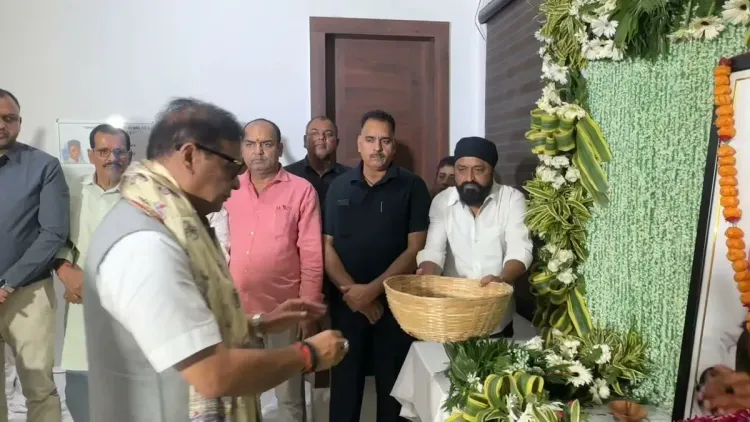
A career that began in the Bharatiya Jana Sangh and stretched across decades of BJP organisation-building has ended — and on Wednesday, 4 November 2026, Assam Chief Minister Himanta Biswa Sarma travelled to the residence of the late Dr. Ravindra Kishore Sinha to offer his condolences in person, meeting the bereaved family and paying homage to a man he described as irreplaceable.
From Jan Sangh roots to Rajya Sabha: the arc of Dr. Sinha's service
In a heartfelt Hindi post, CM Sarma wrote: 'जनसंघ के दिनों से लेकर भारतीय जनता पार्टी के वरिष्ठ सदस्य और राज्यसभा सांसद के रूप में, सिन्हा जी ने संगठन को सशक्त बनाने में अमूल्य योगदान दिया' — 'From the days of the Jan Sangh to his role as a senior BJP member and Rajya Sabha MP, Sinha ji made an invaluable contribution to strengthening the organisation.' That arc — from the Bharatiya Jana Sangh, which merged into the Janata Party in 1977 before its cadre founded the BJP in 1980 — represents nearly the entire lifespan of the Indian right's modern political project.
Sarma pointedly noted a quality rare at that altitude of public life: simplicity. 'Even after reaching great heights,' he wrote, 'his humility and ease of manner left an impression on everyone.' It is the kind of tribute that lands differently when it comes from a fellow practitioner of high-stakes politics.
Livelihoods lit by an entrepreneur's hand
Beyond party work, Dr. Sinha built an enterprise that, in Sarma's words, 'gave employment to lakhs of young people, lighting a lamp of hope and self-respect in their lives.' The specific scale of that enterprise is part of the legacy the family now carries forward — the BJP's own messaging on private-sector job creation rarely comes wrapped in this kind of personal testimony from a sitting Chief Minister.
A Northeast bond, and a message to Rituraj Sinha
Sarma's condolence was not purely formal. Addressing Rituraj Sinha, the late leader's son and a BJP figure in his own right, he wrote with notable directness: 'You were with us in the Northeast as a member of the family. Today, in this hour of grief, we too stand beside you as a member of the family.' That framing — family, not ally — reflects Sarma's consistent effort as NEDA convenor to weave national BJP figures into the Northeast's political fabric.
He closed with a prayer to Maa Kamakhya, the great Shakti shrine of Assam: 'माँ कामाख्या दिवंगत पुण्यात्मा को अपने श्रीचरणों में स्थान दें' — 'May Maa Kamakhya grant the departed soul a place at her divine feet.' The invocation of Assam's most revered temple in a national leader's condolence is itself a small but deliberate act of regional solidarity.
An era of Jan Sangh-forged conviction has quietly passed. The question now is how its lessons travel forward — in Rituraj Sinha's hands, and in the organisation his father spent a lifetime building.
Point of View
Lending historical depth to the party's present identity. Highlighting private-sector job creation alongside political service echoes the party's self-reliance messaging at a moment when youth employment remains a high-salience issue. Rituraj Sinha's public acknowledgement signals that the family's political relationship with Northeast leadership remains intact.
NationPress
4 Nov 2026
Frequently Asked Questions
Who was Dr. Ravindra Kishore Sinha?
Dr. Ravindra Kishore Sinha was a senior BJP leader and Rajya Sabha MP who began his political career in the Bharatiya Jana Sangh and went on to contribute significantly to BJP organisation-building. He was also an entrepreneur credited with creating employment for a large number of young people.
Why did Himanta Biswa Sarma visit Dr. Sinha's residence?
Assam Chief Minister Himanta Biswa Sarma visited Dr. Sinha's residence on 4 November 2026 to personally offer condolences to the late leader's son Rituraj Sinha and other grieving family members following Dr. Sinha's passing.
Who is Rituraj Sinha?
Rituraj Sinha is the son of late Dr. Ravindra Kishore Sinha and a BJP leader. He has maintained close ties with the party's Northeast leadership, a connection CM Sarma described as a 'family' bond.
What is the significance of invoking Maa Kamakhya in the condolence?
Maa Kamakhya is one of India's most revered Shakti shrines, located in Assam. CM Sarma's prayer to Maa Kamakhya for the departed soul reflects both his personal devotion and a gesture of regional solidarity connecting the national leader's memory to Assam.
What was Dr. Sinha's connection to the Jan Sangh?
Dr. Sinha began his political career in the Bharatiya Jana Sangh, the ideological predecessor to the BJP. The Jan Sangh merged into the Janata Party in 1977, and many of its members went on to found the BJP in 1980, a lineage Dr. Sinha embodied throughout his career.