CM Himanta Opens Flood Helplines for Assam's Affected Districts
Synopsis
Assam Chief Minister Himanta Biswa Sarma on 20 July 2026 announced district-level emergency helplines for flood-hit residents, reflecting the state's annual monsoon disaster response under India's Disaster Management Act, 2005.
Key Takeaways
Assam CM Himanta Biswa Sarma announced emergency helplines for flood-affected districts on 20 July 2026 .
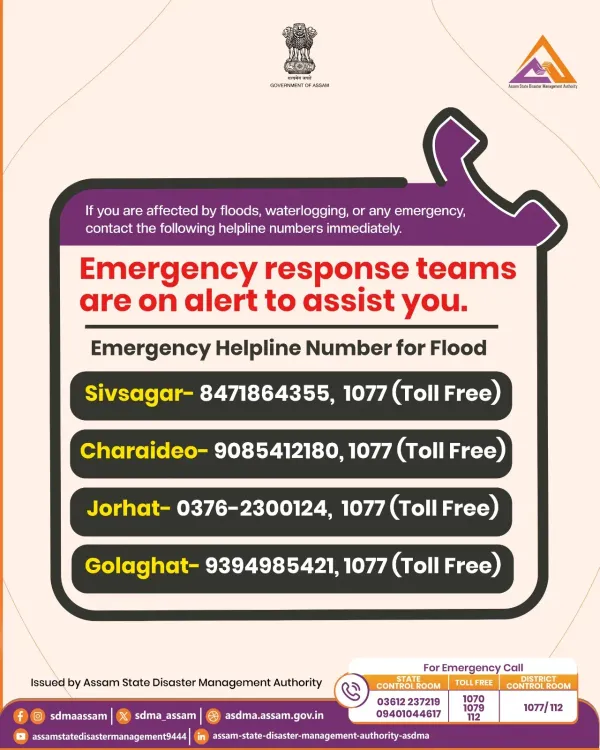
Residents were urged to contact district-specific numbers in case of any emergency.
The move follows standard protocol under the Disaster Management Act, 2005 .
Assam faces recurrent annual flooding from the Brahmaputra and Barak river systems each monsoon season.
The Assam State Disaster Management Authority (ASDMA) and NDRF are the key operational bodies coordinating relief.
Further escalation, including central assistance requests, may follow depending on the scale of flooding.
Assam Chief Minister Himanta Biswa Sarma on Monday, 20 July 2026 announced the activation of emergency helpline numbers for residents in flood-affected districts across the state, urging those in distress to contact the respective district-level numbers immediately.
Context
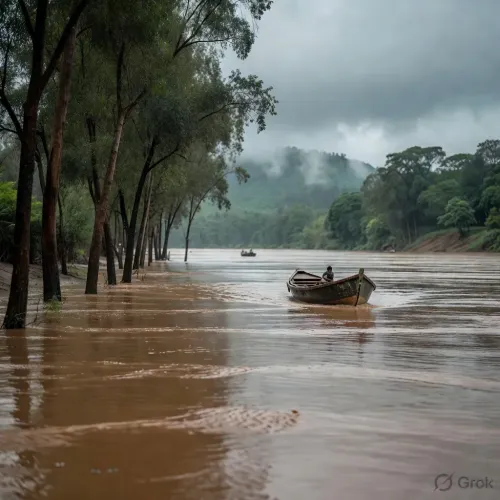
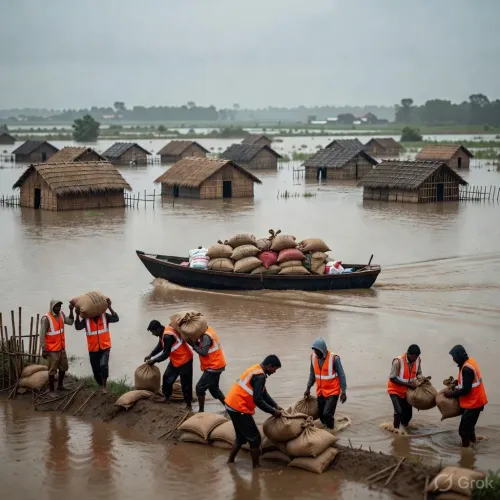
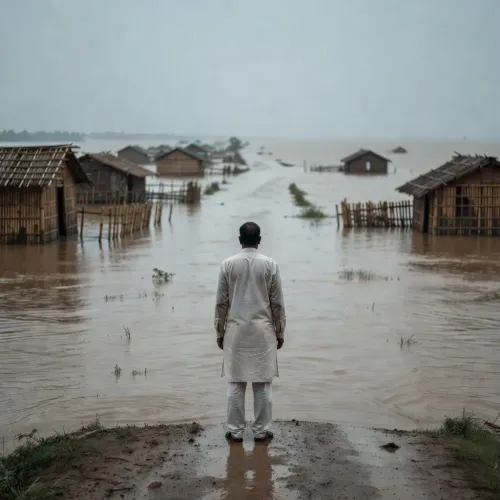
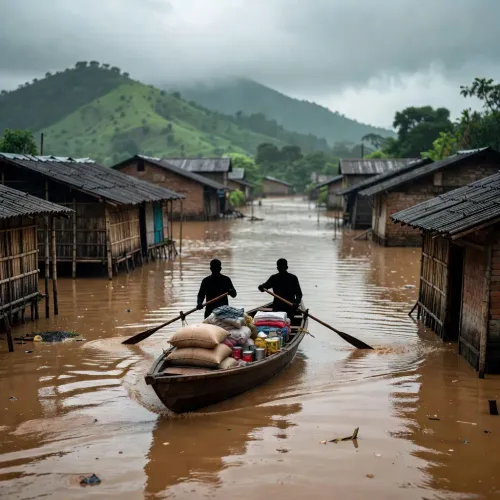
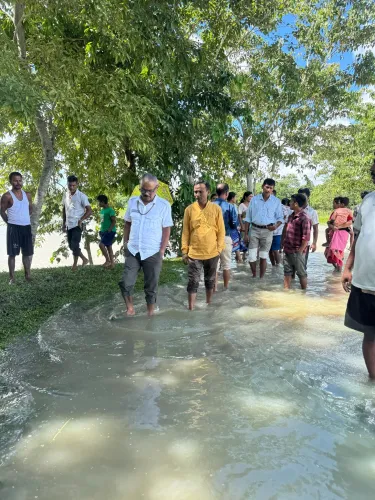
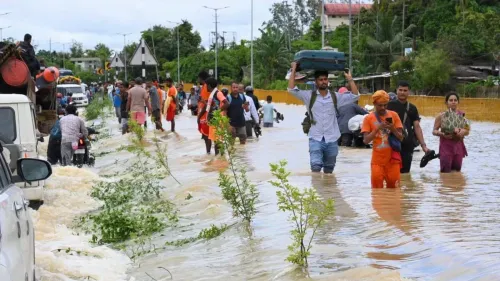
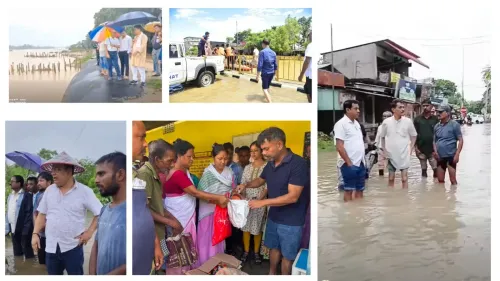
Assam faces recurrent monsoon flooding each year, driven primarily by the overflow of the Brahmaputra and Barak river systems. The annual cycle of inundation affects millions of residents across multiple districts, straining local infrastructure and displacing communities. The Chief Minister's post, accompanied by two images, signals that the current monsoon season has already pushed at least some districts into emergency territory.
Sarma posted directly on social media to ensure the message reached citizens quickly, a practice that has become standard for the administration during acute weather events. The post urged residents to 'reach out to the respective numbers in case of any emergency,' indicating district-specific helplines rather than a single state-wide number.
Policy Backdrop
The activation of district-level emergency helplines is a standard administrative response under the Disaster Management Act, 2005, which mandates state and district authorities to maintain functional communication channels during declared or imminent disasters. The Assam State Disaster Management Authority (ASDMA) coordinates these efforts in alignment with the National Disaster Management Authority (NDMA) at the central level.
Assam's disaster response architecture has evolved over successive flood seasons to include pre-positioned relief camps, boat deployment, and coordination with the National Disaster Response Force (NDRF). Helpline activation is typically among the first formal steps, enabling the state to triage incoming distress calls before deploying ground resources. This year's response follows that established pattern.
Stakeholders and Impact
The primary beneficiaries of the helpline system are flood-affected residents in the designated districts, particularly those cut off by rising waters or in need of evacuation assistance. Farmers, daily-wage workers, and rural households living in low-lying areas along riverbanks are historically among the most vulnerable during Assam's monsoon emergencies.
District administrations, local police, civil defence volunteers, and NDRF units are the operational stakeholders expected to respond to calls routed through these helplines. The Chief Minister's public announcement also serves as a signal to district officials to remain on high alert and ensure the lines are adequately staffed.
What's Next
The state government is expected to release or widely circulate the specific helpline numbers for each affected district through official channels. Depending on the scale of the flooding, ASDMA may escalate relief protocols, including the deployment of additional NDRF teams or a formal request for central assistance from the Ministry of Home Affairs.
Observers will watch whether the administration issues a formal flood situation report and whether any districts are placed under a higher alert classification. With the monsoon season typically peaking between July and August, the coming weeks will be critical for the state's disaster management machinery.
Point of View
Where annual flooding is structurally inevitable, the speed of this activation matters as much as the action itself. The announcement also keeps Sarma visibly at the centre of disaster response, reinforcing his image as a hands-on administrator in a region where the BJP has invested heavily in governance optics. The real test, however, will be the on-ground responsiveness of district machinery once calls begin flowing in.
NationPress
20 Oct 2026
Frequently Asked Questions
What helpline numbers has the Assam government opened for flood emergencies in 2026?
Chief Minister Himanta Biswa Sarma announced district-specific emergency helpline numbers on 20 July 2026 for flood-affected areas; the exact numbers for each district are expected to be circulated through official state channels and the ASDMA.
Which districts in Assam are affected by floods in July 2026?
The Chief Minister's announcement referenced 'affected districts' broadly; the precise list of districts under flood alert as of 20 July 2026 is to be confirmed through official ASDMA flood situation reports.
How does Assam manage flood disasters every year?
Assam activates its disaster response under the Disaster Management Act, 2005, through the Assam State Disaster Management Authority (ASDMA), which coordinates district helplines, relief camps, NDRF deployment, and, when necessary, requests for central government assistance.
Why does Assam flood every year?
Assam floods annually due to the overflow of the Brahmaputra and Barak river systems during the monsoon season, typically between June and September, inundating low-lying districts and displacing large numbers of residents.
What is the role of NDRF in Assam flood relief?
The National Disaster Response Force (NDRF) conducts search-and-rescue operations, evacuates stranded residents, and supports state disaster management agencies like ASDMA during major flood events in Assam.