CM Himanta inaugurates Dr. Syama Prasad Mookerjee Flyover in Guwahati
Synopsis
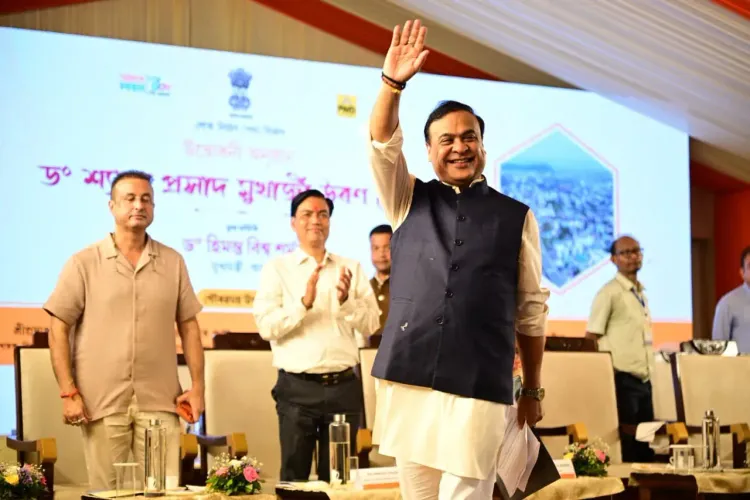
Chief Minister Himanta Biswa Sarma on 22 May 2026 inaugurated the 2.8 km, ₹376-crore Dr. Syama Prasad Mookerjee Flyover in Guwahati, linking Arya Nagar to NH-27 and easing congestion on the Guwahati-Garbhanga Road — completed four months ahead of schedule.
Key Takeaways
CM Himanta Biswa Sarma inaugurated the Dr.
Syama Prasad Mookerjee Flyover in Guwahati on 22 May 2026 .
The flyover is 2.8 km long with 3 lanes and was built at a cost exceeding ₹376 crore .
Construction was completed in 26 months , beating the 30-month contractual deadline by four months.
The structure spans from Cycle Factory junction to Lalganesh Bazar , connecting Arya Nagar directly to NH-27 .
The project includes a 'BUG' structure, service roads, drainage systems, connecting roads, and parking facilities.
The inauguration is described as the first major infrastructure launch of the new Assam government.
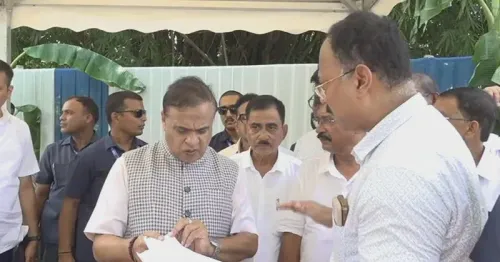
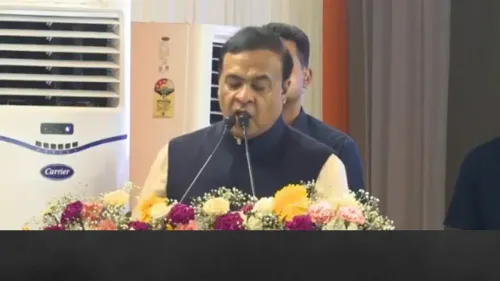
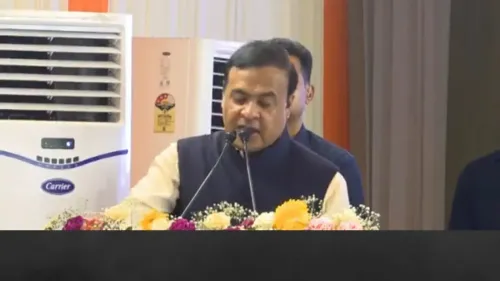
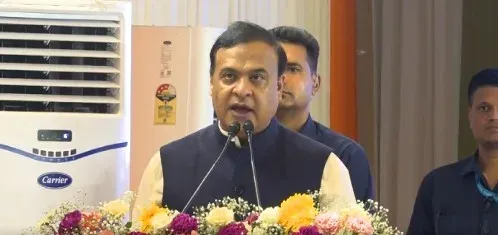
The Chief Minister's Office of Assam announced on Friday, 22 May 2026, that Chief Minister Dr. Himanta Biswa Sarma inaugurated the Dr. Syama Prasad Mookerjee Flyover in Guwahati, marking what the office described as the first major infrastructure launch of the new government. The 2.8 km-long, 3-lane flyover, built at a cost of over ₹376 crore, was completed in 26 months — four months ahead of its 30-month deadline.
Context
The flyover stretches from the Cycle Factory junction to Lalganesh Bazar, creating a direct, uninterrupted corridor between Arya Nagar and National Highway 27 (NH-27). The route addresses one of Guwahati's most persistently congested arteries — the Guwahati-Garbhanga Road — which serves as a key daily commute and commercial transit link in the city's southern belt.
The structure is equipped with a modern 'BUG' (Box Under Grade) configuration, along with service roads, drainage systems, connecting roads, and parking facilities, reflecting an integrated approach to urban mobility rather than a standalone overpass.
Policy Backdrop
Guwahati, the largest city and commercial capital of Assam, has faced chronic traffic bottlenecks as its population and economic activity have expanded rapidly over the past decade. The Sarma government, in office since 2021, has made urban flyovers and road upgrades in Guwahati a centrepiece of its infrastructure agenda, framing faster project execution as a governance benchmark.
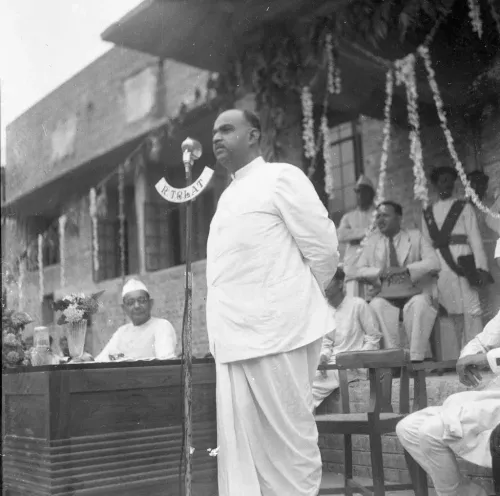
The flyover is named after Dr. Syama Prasad Mookerjee, the founder of the Bharatiya Jana Sangh and a prominent figure in post-independence opposition politics — continuing a pattern seen across Assam and other states of naming key public assets after national leaders with ideological resonance for the ruling party.
NH-27, to which the flyover now provides direct access, is a critical east-west artery traversing Assam and connecting the broader Northeast region. Improved last-mile links to national highways form a recurring theme in the state's urban infrastructure programme.
Stakeholders and Impact
Daily commuters on the Guwahati-Garbhanga Road corridor stand to benefit most immediately, with the flyover eliminating several signal-heavy intersections that have historically caused peak-hour gridlock. Local traders and residents in Arya Nagar and the Lalganesh Bazar area are expected to see improved access and reduced travel times.
The inclusion of service roads and parking facilities signals an attempt to manage induced demand — a common challenge when new flyovers redirect rather than reduce vehicle loads in dense urban zones. The drainage infrastructure is particularly relevant given Guwahati's vulnerability to seasonal flooding, which has previously disrupted road networks across the city.
What's Next
The inauguration is positioned by the Chief Minister's Office as the opening move in a broader infrastructure push under the current government's fresh term. Traffic impact assessments in the months ahead will indicate whether the flyover delivers the congestion relief promised for the Guwahati-Garbhanga Road corridor. Observers will also watch for follow-up announcements on additional flyovers within Guwahati and any upgrades along the NH-27 stretch, which remains a bottleneck for regional freight and passenger movement across the Northeast.
Point of View
Incorporating drainage and service roads, also suggests Assam is moving beyond simple overpass construction toward more holistic urban mobility planning, a shift that will be tested in Guwahati's notoriously flood-prone monsoon season. How quickly the flyover demonstrably eases congestion on the Guwahati-Garbhanga Road will determine whether this launch translates into durable political capital.
NationPress
6 Oct 2026
Frequently Asked Questions
Where is the Dr. Syama Prasad Mookerjee Flyover located in Guwahati?
The flyover runs from the Cycle Factory junction to Lalganesh Bazar in Guwahati, Assam, connecting Arya Nagar to NH-27 and relieving congestion on the Guwahati-Garbhanga Road.
How much did the Guwahati Dr. Syama Prasad Mookerjee Flyover cost?
The flyover was built at a cost of over ₹376 crore and spans 2.8 km with three lanes.
Who inaugurated the Dr. Syama Prasad Mookerjee Flyover?
Assam Chief Minister Dr. Himanta Biswa Sarma inaugurated the flyover on 22 May 2026.
How long did it take to build the Guwahati flyover?
The flyover was completed in 26 months, four months ahead of its 30-month contractual deadline.
Who was Dr. Syama Prasad Mookerjee?
Dr. Syama Prasad Mookerjee was an Indian politician and the founder of the Bharatiya Jana Sangh, a key figure in post-independence opposition politics, after whom the Guwahati flyover has been named.