CM Sawant Meets NDMA on Goa Flood, Erosion Defence Plan
Synopsis
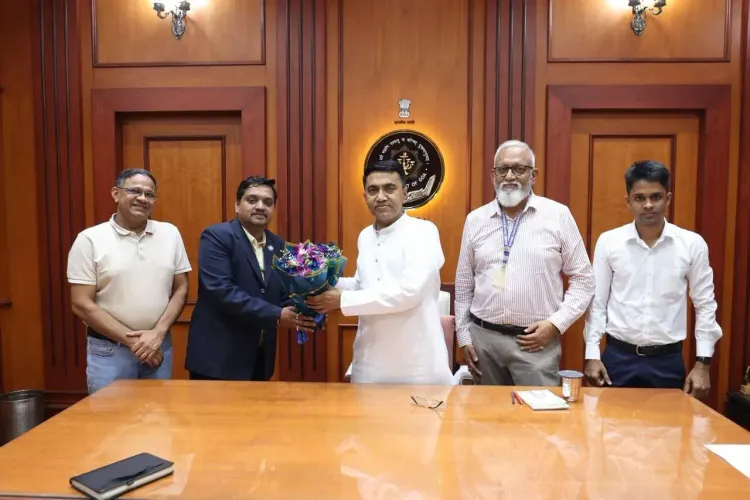
Goa Chief Minister Pramod Sawant met an NDMA delegation in Panaji on 20 August 2026 to discuss AI-based unified disaster management, coastal erosion control and urban flood mitigation — pushing for a technology-led overhaul of the state's disaster resilience framework.
Key Takeaways
Pramod Sawant met an NDMA delegation at Mahalaxmi, Panaji on 20 August 2026 for disaster management discussions.
Talks covered three areas: coastal erosion , urban flood mitigation and AI-based unified disaster management solutions .
NDMA was constituted under the Disaster Management Act 2005 as India's apex statutory body for disaster policy and coordination.
Goa's 105-kilometre coastline faces recurring threats from erosion, cyclones and monsoon flooding.
The meeting aligns with India's Sendai Framework commitments and the National Disaster Management Plan 2019 push for tech integration in coastal risk mitigation.
Follow-up on project sanctions and National Disaster Response Fund allocations will determine whether discussions translate into action.
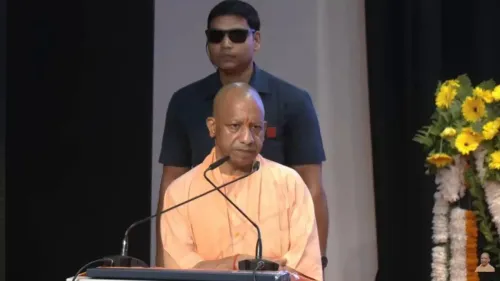
Goa's coastline is shrinking, its cities flood faster every monsoon, and Chief Minister Pramod Sawant is now pushing for a technology-led overhaul of how the state handles all of it. On Thursday, 20 August 2026, Sawant met a delegation of the National Disaster Management Authority (NDMA) at Mahalaxmi, Panaji, holding detailed discussions on coastal erosion, urban flood mitigation and AI-based unified disaster management solutions tailored for Goa.
What was on the table at Panaji
The meeting zeroed in on three interlocking challenges: the steady loss of Goa's coastline to erosion, the recurring inundation of urban pockets during the monsoon, and the absence of a single integrated platform to manage disaster response across agencies. Sawant described the discussions as focused on 'strengthening Goa's disaster preparedness, resilience and response capabilities through technology, better planning and coordinated action.' The emphasis on AI-based unified systems signals an ambition to move beyond siloed, reactive responses toward predictive, coordinated action.
NDMA's expanding role on India's coast
The National Disaster Management Authority, constituted under the Disaster Management Act 2005, is India's apex statutory body for setting disaster policy and coordinating response. In recent years, NDMA has deepened partnerships with coastal states under India's commitments to the Sendai Framework for Disaster Risk Reduction, co-developing AI-based early warning systems and integrated command platforms. Goa — India's smallest state but one of its most exposed on the western coast — sits squarely in the path of cyclones, storm surges and annual flooding that have intensified as climate patterns shift.
Goa's recurring vulnerability
Urban flooding in Panaji and other low-lying towns has become a near-annual crisis, while coastal erosion threatens fishing communities, tourism infrastructure and ecosystems along the state's 105-kilometre coastline. The National Disaster Management Plan — last updated in 2019 — explicitly prioritised technology integration and coastal risk mitigation, providing the policy scaffolding for exactly the kind of solutions discussed at Thursday's meeting. What Goa now needs is that scaffolding to translate into sanctioned projects, released funds and a live pilot.
Funding and timelines: the next test
The real measure of Thursday's meeting will come in the weeks ahead — whether project sanction letters follow, whether the National Disaster Response Fund releases allocations, and whether any pilot rollout timelines are publicly announced. Central-state partnerships on disaster tech have often stalled at the MoU stage; Goa's political leadership now has to convert a productive delegation meeting into concrete, time-bound commitments on the ground.
For a state that markets itself to the world on the strength of its beaches and its calm, the urgency of getting this right could not be sharper.
Point of View
Though implementation gaps between high-level meetings and on-ground pilots remain the persistent weak link. For Goa specifically, the stakes are economic as much as humanitarian: flood damage and coastal degradation directly threaten the tourism and fishing sectors that underpin the state's revenue base. The real test of this engagement will be whether project timelines and fund releases materialise before the next monsoon season.
NationPress
21 Aug 2026
Frequently Asked Questions
Why did Goa CM Pramod Sawant meet NDMA?
Sawant met an NDMA delegation in Panaji on 20 August 2026 to discuss projects addressing coastal erosion, urban flood mitigation and AI-based unified disaster management solutions for Goa, aiming to strengthen the state's disaster preparedness and response capabilities.
What is the NDMA and what does it do?
The National Disaster Management Authority (NDMA) is India's apex statutory body for disaster management, established under the Disaster Management Act 2005. It formulates national policies, coordinates disaster response and works with state governments on resilience planning.
What disaster risks does Goa face?
Goa faces coastal erosion along its roughly 105-kilometre coastline, recurring urban flooding in towns like Panaji during the monsoon season, and exposure to cyclones and storm surges from the Arabian Sea.
What is AI-based unified disaster management?
AI-based unified disaster management refers to integrated digital platforms that use artificial intelligence for early warning, real-time monitoring and coordinated response across multiple agencies — replacing fragmented, reactive systems with predictive, centralised command.
What funding is available for Goa's disaster management projects?
Projects agreed between state governments and NDMA can draw on the National Disaster Response Fund (NDRF), a central government pool established under the Disaster Management Act 2005 to finance disaster risk reduction and response infrastructure.