Mumbai monsoon 2025: Eknath Shinde sets 'zero casualties' target for MMR agencies

Synopsis
With Mumbai's monsoon delayed but inevitable, Deputy CM Eknath Shinde has set an ambitious 'zero casualties' benchmark for every agency in the MMR — from BMC to Railways to Metro. The directive comes alongside a notable infrastructure claim: 1,700 km of Mumbai's roads concretised, cutting repair costs by 80%. Whether the coordination holds when the rains actually hit is the real test.
Key Takeaways
Deputy CM Eknath Shinde chaired a monsoon preparedness review for Mumbai and MMR on 15 June , setting a 'zero casualties' target.
BMC directed to form its own Disaster Response Force on the lines of the NDRF and complete all pending desilting immediately.
1,700 km of Mumbai's 2,000 km road network has been concretised, cutting repair and pothole costs by 80 per cent .
Delayed monsoon onset has raised drinking water supply concerns alongside flood preparedness priorities.
Guardian Minister Ashish Shelar separately directed agencies to prepare an integrated emergency plan covering crowd management, evacuation, and stranded commuter relief.
Officials asked to submit a rehabilitation report for 24 dilapidated buildings near Masjid Bunder within the Railways' jurisdiction.
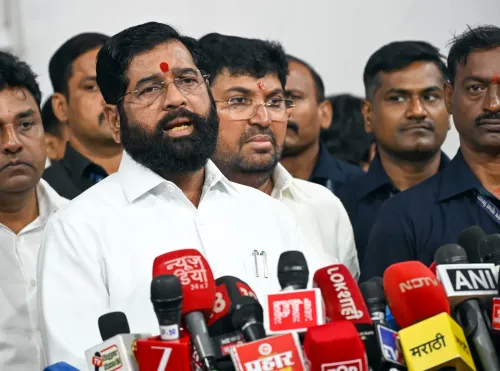
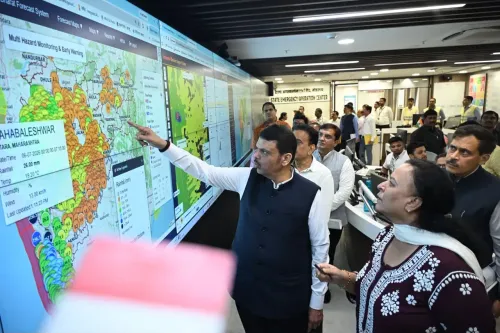
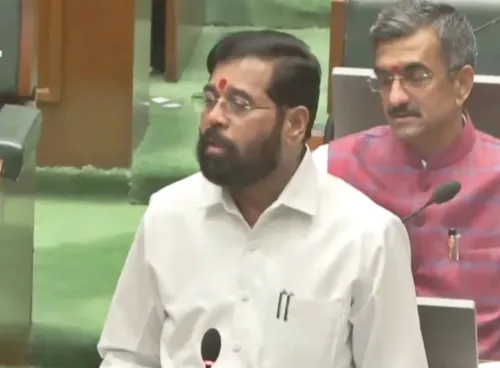
Deputy Chief Minister Eknath Shinde on Monday, 15 June chaired a high-level review meeting to evaluate monsoon preparedness across Mumbai and the Mumbai Metropolitan Region (MMR), directing all administrative and emergency agencies to coordinate tightly toward a strict goal of 'zero casualties' this rainy season. The meeting comes as the monsoon has reportedly arrived later than usual, giving authorities a narrow but critical window to tighten arrangements before peak rainfall.
Key Directives from the Review Meeting
Shinde underscored that the delayed monsoon onset, while offering extra preparation time, also raises concerns about drinking water supply — making water planning as urgent as disaster response. He directed the Brihanmumbai Municipal Corporation (BMC) to immediately complete pending desilting work, ensure all holding ponds and floodgates are fully operational, and conduct structural audits of hoardings across the city.
The Deputy CM also called on the BMC to establish its own Disaster Response Force modelled on the National Disaster Response Force (NDRF), and to install protective nets in landslide-prone areas — a recurring vulnerability during Mumbai's heavy rainfall months.
Infrastructure Milestone and Road Network Upgrade
Shinde highlighted a significant infrastructure achievement: 1,700 km of Mumbai's 2,000 km road network has been concretised. According to officials, this upgrade has resulted in an 80 per cent reduction in road repair and pothole maintenance costs — a figure that underlines both the scale of the investment and the city's long-standing struggle with monsoon-damaged roads.
Health, Transport and Waterlogging Measures
On the public health front, Shinde directed that Hinduhridaysamrat Balasaheb Thackeray Aapla Dawakhana clinics maintain steady medicine stocks to counter waterborne diseases. Proper drainage in slum areas and alternative transport arrangements through BEST and ST buses were also mandated.
Shinde stressed that central agencies, including the Railways, must clean drains beneath tracks, and that Metro stations must not face waterlogging. BMC Additional Commissioner Abhijit Bangar presented key preparedness figures covering the June–September monsoon period during the meeting.
Shelar's Integrated Emergency Plan for Flood Scenarios
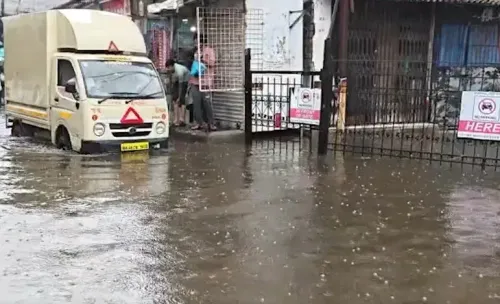
Earlier, on Saturday, Mumbai Suburban Guardian Minister Ashish Shelar directed the Railways, BMC, BEST, District Collectorates, Metro authorities and other agencies to prepare an integrated emergency response plan for flood situations. The plan is to cover crowd management at railway stations, passenger evacuation, traffic easing on adjoining roads, and food and drinking water supply for stranded commuters.
Shelar also called for coordinated CCTV surveillance, public announcement systems, and emergency control rooms across all concerned agencies. He directed structural audits of pedestrian bridges — both inside and outside railway stations — vehicular bridges, and hoardings near station precincts, as well as an integrated pump deployment plan for Railways and BMC equipment.
Additionally, Shelar instructed officials to prepare a detailed rehabilitation report for residents of 24 dilapidated and dangerous buildings, along with certain slum structures in the railway jurisdiction around Masjid Bunder, and submit it to the government for further action. With the monsoon imminent, how swiftly these directives translate into on-ground action will determine whether Mumbai can finally break its cycle of annual flood casualties.
Point of View
But the city has heard similar targets before, and the outcomes have been uneven at best. What stands out this time is the concretisation claim: 1,700 km of roads upgraded is a verifiable metric, and the 80 per cent cost reduction figure, if independently validated, would represent genuine structural progress. The harder test is inter-agency coordination — Railways, BMC, Metro, and BEST have historically operated in silos during emergencies. Shelar's integrated emergency plan addresses exactly that gap, but directives issued days before the monsoon arrive leave little room for execution. The Masjid Bunder building rehabilitation order is also overdue; residents in dangerous structures near railway tracks face compounded risk every monsoon, and a report order is not the same as action.
NationPress
14 Sept 2026
Frequently Asked Questions
What did Deputy CM Eknath Shinde announce for Mumbai's monsoon 2025?
Deputy CM Eknath Shinde on 15 June chaired a high-level review and directed all agencies in Mumbai and the MMR to target 'zero casualties' this monsoon season. He ordered the BMC to form its own Disaster Response Force, complete desilting, and ensure floodgates and holding ponds are operational.
Why is drinking water supply a concern despite the monsoon approaching?
The monsoon has reportedly been delayed this year, which, while giving authorities extra preparation time, also raises the risk of water shortages before adequate rainfall replenishes reservoirs. Shinde specifically asked agencies to prioritise drinking water planning alongside flood disaster management.
What is the significance of Mumbai's road concretisation milestone?
According to officials, 1,700 km of Mumbai's 2,000 km road network has been concretised, resulting in an 80 per cent reduction in road repair and pothole maintenance costs. The upgrade is intended to reduce monsoon-related road damage that has historically disrupted traffic and drainage.
What is the integrated emergency plan directed by Minister Ashish Shelar?
Mumbai Suburban Guardian Minister Ashish Shelar directed Railways, BMC, BEST, Metro, and District Collectorates to jointly prepare a flood emergency plan covering crowd management at stations, passenger evacuation, traffic management, and food and water supply for stranded commuters. Coordinated CCTV and emergency control rooms are also mandated.
What action was directed for the dangerous buildings near Masjid Bunder?
Minister Shelar instructed officials to prepare a detailed rehabilitation report for residents living in 24 dilapidated and dangerous buildings, as well as certain slum structures within railway jurisdiction around Masjid Bunder, and submit it to the government for further action.