MMRDA activates monsoon emergency framework for Mumbai metro projects 2026
Synopsis
With Metro Lines 2B and 9 facing their first operational monsoon, MMRDA is not leaving preparedness to chance — a 24x7 Disaster Control Room, mandatory site-specific plans, girder-launch bans during red alerts, and dedicated monsoon audits for new corridors signal one of the most structured pre-monsoon mobilisations the authority has undertaken.
Key Takeaways
MMRDA has launched a multi-tier monsoon preparedness and emergency-response framework for all metro and infrastructure projects in the Mumbai Metropolitan Region ahead of the 2026 southwest monsoon .
All contractors must submit Site-Specific Monsoon Preparedness Plans (SMPP) ; non-compliance will be treated as a contractual default .
A 24x7 Disaster Control Room will operate from 25 May to 15 October 2026 , coordinating with BMC, police and state agencies.
High-risk activities including girder launching must be suspended during IMD and municipal red alert conditions .
Metro Lines 2B and 9 will undergo dedicated Monsoon Readiness Audits as they face their first operational monsoon season.
Chief Minister Devendra Fadnavis , Deputy CM Eknath Shinde and Metropolitan Commissioner Sanjay Mukherjee have all affirmed continuous monitoring through the season.
The Mumbai Metropolitan Region Development Authority (MMRDA) has launched a comprehensive multi-tier monsoon preparedness and emergency-response framework ahead of the southwest monsoon season, covering all ongoing metro and infrastructure projects across the Mumbai Metropolitan Region. The move, announced on 18 May, places structured compliance obligations on contractors, consultants and executing agencies backed by strict Standard Operating Procedures (SOPs) and real-time site monitoring systems.
Mandatory Preparedness Plans for All Contractors
Every contractor executing metro and engineering works has been directed to submit Site-Specific Monsoon Preparedness Plans (SMPP) within prescribed timelines. These plans must detail provisions for dewatering systems, slope protection, waterproofing, labour safety, emergency material inventory, flood-risk mitigation and emergency-response protocols linked directly to MMRDA's Emergency Control Room.
Non-submission or non-compliance will be treated as a contractual default and referred to the Contract Management Committee for action. Project Directors and Chief Engineers have been instructed to enforce compliance without exception.
On-Ground Emergency Deployment
All executing agencies must deploy dedicated emergency-response teams at project sites during the monsoon period, equipped with adequate-capacity dewatering pumps, pothole-repair vehicles, barricading safety systems, emergency lighting and drainage-clearance mechanisms. Contractors have additionally been instructed to clear debris, repair damaged drains and footpaths, secure reinforcement structures against high winds and test all electrical systems to prevent monsoon-related hazards.
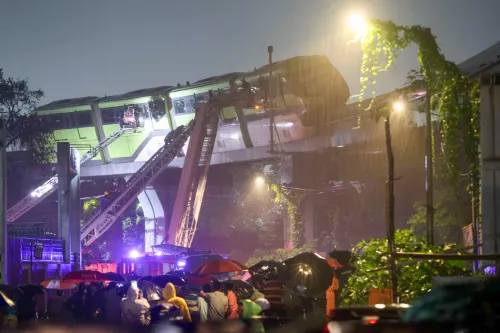
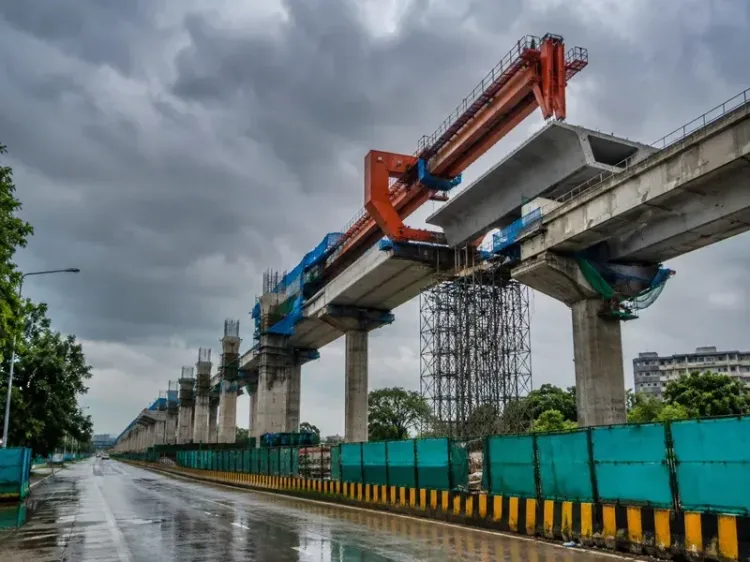
High-risk construction activities — including girder launching — must be suspended during IMD and municipal red alert conditions. Labour camps situated in flood-prone areas are to be relocated before the peak monsoon period. Continuous CCTV surveillance and real-time site monitoring have also been mandated throughout the season.
24x7 Disaster Control Room and Nodal Officers
A round-the-clock Disaster Control Room will remain operational from 25 May to 15 October 2026, handling complaint registration, emergency coordination and inter-agency communication with the Brihanmumbai Municipal Corporation (BMC), police, state government departments and other civic bodies. Dedicated Chief Nodal Officers, divisional nodal teams and project-specific coordination officers are being deployed for rapid response during heavy rainfall events.
Special Focus on Metro Corridors, Including First-Monsoon Lines
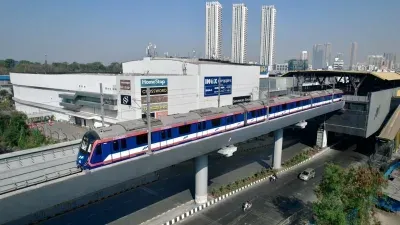
Operational metro corridors — Metro Lines 2A, 7, 2B and 9 — are receiving special attention, with detailed inspections of station waterproofing systems, platform drainage infrastructure, traction substations, viaduct drainage and overhead equipment vulnerability zones mandated before heavy rainfall commences. Operational SOPs for passenger communication, emergency speed restrictions and monsoon response management are being upgraded.
Notably, Metro Lines 2B and 9 will face their first operational monsoon this year. MMRDA has ordered dedicated Monsoon Readiness Audits for both corridors, covering drainage systems, structural vulnerability assessments and operational safety preparedness. Emergency mock drills, hospital tie-ups, IMD alert integration and formal pre-monsoon inspections across all construction packages have also been directed.
What Senior Officials Said
Chief Minister Devendra Fadnavis said Mumbai and the Mumbai Metropolitan Region face some of the most challenging urban monsoon conditions in the country every year, and that MMRDA has accordingly undertaken an extensive preparedness exercise across metro corridors, roads, tunnels and infrastructure projects to minimise inconvenience to citizens and ensure safety, mobility and continuity of essential services.
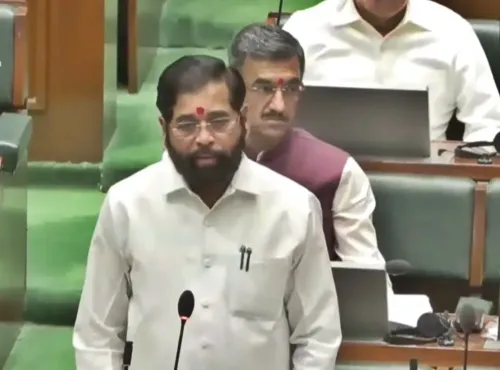
Deputy Chief Minister and MMRDA Chairman Eknath Shinde said strict monitoring mechanisms have been established to ensure no compromise on public safety, project-site discipline or emergency preparedness, adding that field-level coordination teams and project-wise nodal mechanisms have been activated for immediate response wherever required.
MMRDA Metropolitan Commissioner Sanjay Mukherjee said the authority would maintain continuous monitoring throughout the monsoon season to ensure timely response and citizen safety. Dedicated media-monitoring and rapid-response communication teams are also being deployed for real-time public information management during the period.
Point of View
However, lies in execution: Mumbai's monsoon-related infrastructure failures have historically occurred not for lack of plans but for lack of on-ground enforcement. With Metro Lines 2B and 9 entering their first monsoon untested, the Monsoon Readiness Audits are prudent, but the window between the 18 May announcement and the onset of the southwest monsoon is narrow. Whether nodal officers translate paperwork into site-level action — especially at the hundreds of simultaneous construction packages across the MMR — will determine whether this preparedness exercise is a genuine upgrade or another well-documented near-miss.
NationPress
2 Oct 2026
Frequently Asked Questions
What is MMRDA's monsoon preparedness framework for 2026?
It is a multi-tier emergency-response system launched by the Mumbai Metropolitan Region Development Authority covering all ongoing metro and infrastructure projects in the Mumbai Metropolitan Region ahead of the 2026 southwest monsoon. The framework mandates site-specific preparedness plans from contractors, deploys a 24x7 Disaster Control Room from 25 May to 15 October 2026, and places strict compliance obligations backed by contractual penalties.
When will MMRDA's Disaster Control Room be operational?
The 24x7 Disaster Control Room will be operational from 25 May to 15 October 2026. It will handle complaint registration, emergency coordination and inter-agency communication with the BMC, police and state government departments.
Which Mumbai metro lines are getting special monsoon audits?
Metro Lines 2B and 9 have been ordered to undergo dedicated Monsoon Readiness Audits because they will experience their first operational monsoon in 2026. The audits cover drainage systems, structural vulnerability assessments and operational safety preparedness.
What happens if contractors fail to submit monsoon preparedness plans?
Non-submission or non-compliance with the mandatory Site-Specific Monsoon Preparedness Plans will be treated as a contractual default and referred to MMRDA's Contract Management Committee for action. Project Directors and Chief Engineers have been directed to enforce compliance without exception.
What construction activities are banned during red alert conditions?
High-risk construction activities including girder launching must be suspended during IMD and municipal red alert conditions. Additionally, labour camps in flood-prone areas must be relocated before the peak monsoon period.