Mumbai monsoon fury: Maha Assembly adjourned; 12 dead, CM Fadnavis on alert
Synopsis
Mumbai's monsoon turned lethal on 6 July — 12 dead in two days, a six-fatality chawl collapse in Mankhurd, the Mumbai-Pune Expressway shut by a landslide, and 350 trees down in a single day. The Maharashtra Assembly adjourned mid-session as CM Fadnavis warned of 70-90 km/h winds still to come, and the opposition turned a humanitarian crisis into a political flashpoint over infrastructure failures.
Key Takeaways
The Maharashtra Legislative Assembly was adjourned on 6 July 2025 after CM Devendra Fadnavis addressed the House on the monsoon emergency.
12 people died in Mumbai over two days due to rain-related incidents, including manhole falls, tree collapses, and a structural collapse.
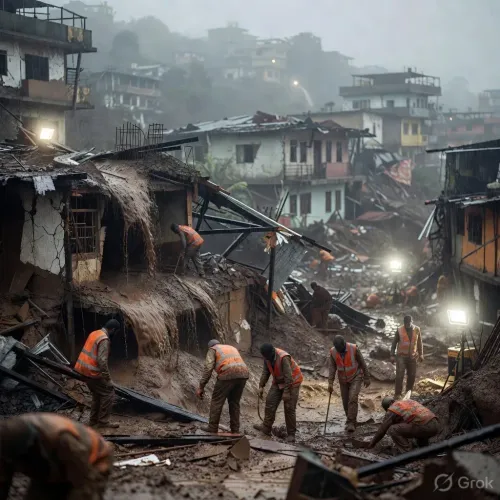
A three-storey chawl in Mankhurd collapsed on Sunday night, killing six people including five children .
Mumbai recorded 350 tree collapses in a single day — against a seasonal average of 800 for the entire monsoon.
The Mumbai-Pune Expressway and old highway were shut after a landslide near the Khopoli-Kusgaon 'Missing Link' project; suburban rail services were also disrupted.
IMD red alerts are in force; wind speeds of 70–90 km/h forecast; schools in Mumbai , Thane , and Palghar closed and University of Mumbai exams postponed.
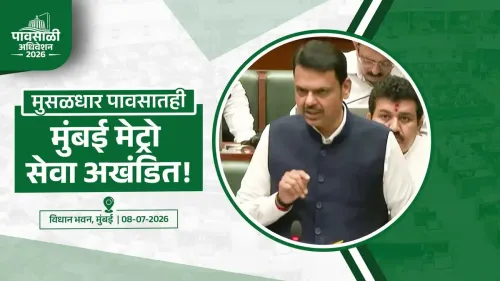
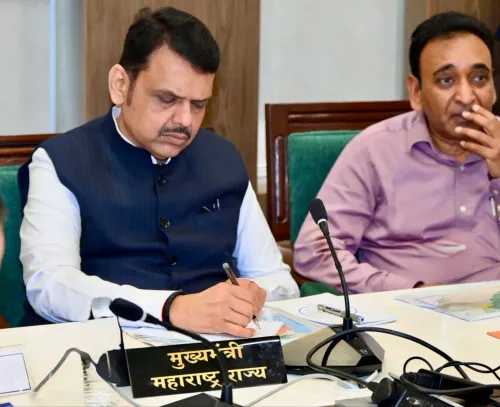
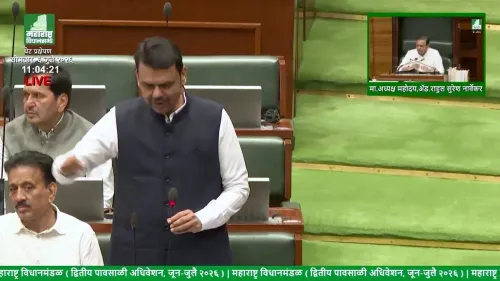
The Maharashtra Legislative Assembly was adjourned for the day on Monday, 6 July after Chief Minister Devendra Fadnavis addressed the House on the catastrophic monsoon battering Mumbai and surrounding districts, with at least 12 fatalities recorded in the city over two days. The government suspended legislative proceedings to redirect the administration's full attention to disaster relief and rescue operations.
Scale of the Crisis
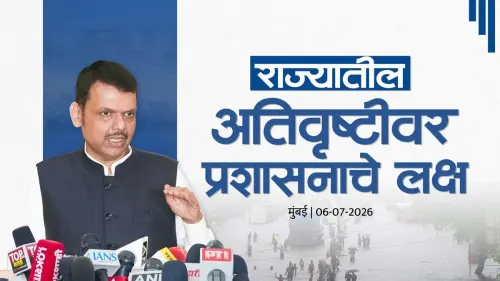
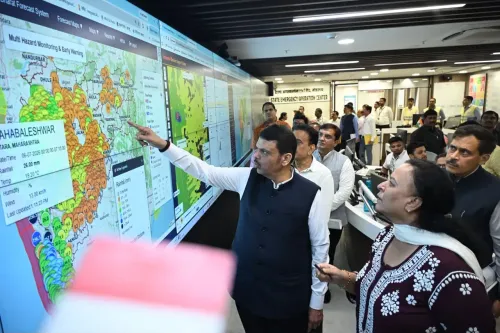
The Mumbai Metropolitan Region (MMR), along with Thane, Raigad, Palghar, and parts of Pune and Nashik, have been battered by continuous, extremely heavy rainfall far above seasonal averages. The India Meteorological Department (IMD) has issued red alerts across multiple districts, with wind speeds of 70 to 90 km/hour already causing widespread tree collapses and structural damage.
CM Fadnavis highlighted a stark indicator of the storm's intensity: Mumbai typically records around 800 tree-collapse incidents across an entire monsoon season, yet 350 trees fell in a single day on Sunday alone. He warned that Monday was shaping up to be even more severe.
What the Government Said
'The state government has put all emergency apparatus on the highest level of alert,' Fadnavis told the Assembly. The National Disaster Response Force (NDRF), State Disaster Response Force (SDRF), and local civic bodies have been deployed at full capacity. The state's automated systems are broadcasting emergency SMS alerts every three hours to residents in the worst-hit zones — described as an unprecedented public safety measure.
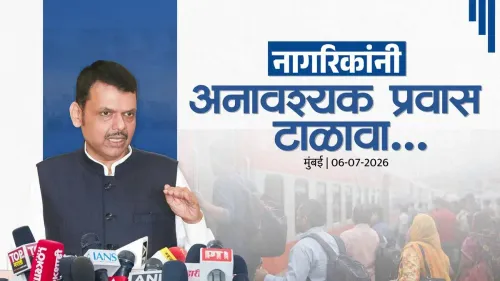
The Chief Minister issued a strict advisory urging residents to minimise vehicular and pedestrian movement, cancel non-essential commutes, and stay indoors. He directed a specific appeal to the youth to avoid beaches, promenades, and waterfalls. Employers were officially requested to implement Work From Home for the day.
Tragedy in Mankhurd and Infrastructure Breakdown
The human toll sharpened on Sunday night when a three-storey chawl collapsed in Mankhurd, claiming six lives — including five children. Other fatalities were attributed to citizens falling into open manholes and tree collapses across the city.
Infrastructure across the region has been severely disrupted. A massive landslide near the Khopoli-Kusgaon 'Missing Link' project on the Mumbai-Pune Expressway buried part of the carriageway under boulders, bringing traffic on both the Expressway and the old Mumbai-Pune highway to a complete halt. Suburban rail services and long-distance trains to Pune were halted due to flooded tracks at stations including Sion. All government and private schools in Mumbai, Thane, and Palghar remained closed, and the University of Mumbai postponed all examinations scheduled for 6 July.
Opposition Demands Accountability
Before the adjournment, opposition members staged a protest on the steps of Vidhan Bhavan, raising slogans over the government's handling of the city's first major downpour of the season. Congress Legislature Party leader Vijay Wadettiwar cited the 12 deaths in two days and argued that timely pre-monsoon surveys of dilapidated buildings, tree trimming, manhole securing, and drainage planning could have prevented the casualties.
Wadettiwar also flagged the landslide near the 'Missing Link' project, which had previously drawn criticism over severe potholes. Mumbai Congress President Varsha Gaikwad pointed to newly inaugurated infrastructure developing dangerous potholes and structural erosion within days of heavy rain. The opposition demanded a time-bound, high-level inquiry to fix administrative accountability and penalise negligent officials.
The Chief Minister and other ministers urged the opposition to cooperate during a humanitarian crisis. Speaker Rahul Narwekar subsequently announced the House's adjournment for the day, stating the situation required collective handling.
What Comes Next
With red alerts still in force and peak winds expected through Monday afternoon, emergency teams remain deployed across vulnerable pockets of the city. The coming hours will be critical as the storm is forecast to intensify before conditions ease — and the government faces mounting pressure to demonstrate that its disaster response machinery can match the scale of the emergency.
Point of View
Untrimmed trees, and a chawl that should not have been standing are not acts of God; they are the predictable consequences of skipped pre-monsoon audits. The landslide on the Mumbai-Pune Expressway near a project already flagged for pothole failures raises harder questions: is Maharashtra's infrastructure spending producing resilient assets, or just ribbon-cutting opportunities? The political theatre in Vidhan Bhavan — opposition slogans versus government appeals for unity — is an annual ritual, but the body count this year makes it harder to dismiss as mere posturing.
NationPress
5 Oct 2026
Frequently Asked Questions
Why was the Maharashtra Assembly adjourned on 6 July 2025?
The Maharashtra Legislative Assembly was adjourned on 6 July 2025 after Chief Minister Devendra Fadnavis made a statement on the floor of the House about the catastrophic monsoon emergency gripping Mumbai and surrounding districts. The Speaker adjourned proceedings so the government could focus entirely on disaster relief and rescue operations.
How many people have died in Mumbai due to the monsoon so far?
At least 12 people died in Mumbai over two days due to rain-related incidents, including citizens falling into open manholes, tree collapses, and a building collapse. The single deadliest incident was the collapse of a three-storey chawl in Mankhurd on Sunday night, which killed six people including five children.
What is the current status of the Mumbai-Pune Expressway?
The Mumbai-Pune Expressway and the old Mumbai-Pune highway have both been shut following a massive landslide near the Khopoli-Kusgaon 'Missing Link' project, where boulders partially buried the carriageway. The same stretch had recently drawn criticism over severe potholes.
What safety advisories has the Maharashtra government issued?
The state government has advised residents to minimise vehicular and pedestrian movement, cancel non-essential commutes, and stay indoors. Employers have been asked to implement Work From Home. The Chief Minister specifically urged young people to avoid beaches, promenades, and waterfalls given the forecast of 70–90 km/h winds.
Which areas are under red alert and what disruptions have occurred?
The IMD has issued red alerts for multiple districts including Mumbai, Thane, Raigad, and Palghar. Schools in Mumbai, Thane, and Palghar are closed, the University of Mumbai has postponed 6 July examinations, and suburban rail services to Pune have been disrupted due to flooded tracks at stations including Sion.