Mumbai monsoon 2025: 340 mm rain, 7,000 BMC personnel battle waterlogging
Synopsis
Mumbai's first major monsoon spell of the season dumped up to 340 mm of rain in 24 hours, flooding localities from Malvani to Nalasopara and exposing the limits of pre-monsoon drain-cleaning claims. With the BMC stretching 7,000 personnel across the city, the real question is whether civic infrastructure — 95% 'cleaned' by one municipal body's own count — can hold as the season intensifies.
Key Takeaways
Mumbai received up to 340 mm of rainfall in 24 hours on 24 June , with Malvani and Parel among the worst-hit areas.
The BMC deployed more than 7,000 officers and staff across the city to manage waterlogging and emergencies.
Colaba recorded 248 mm and Santacruz recorded 225 mm at official weather stations.
Nine trees collapsed across the city; no casualties or major injuries were reported.
Vasai-Virar and Nalasopara faced severe flooding despite the civic body claiming 95% pre-monsoon drain-cleaning completion.
Maha Mumbai Metro deployed additional standby trains to maintain services during the downpour.
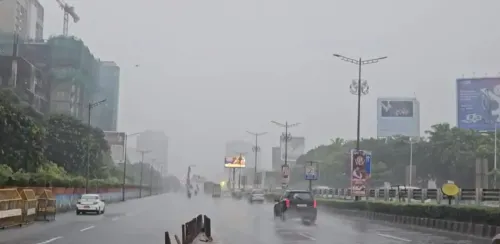
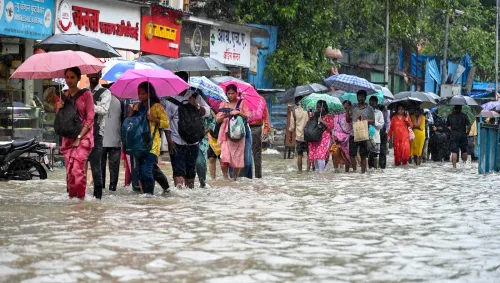
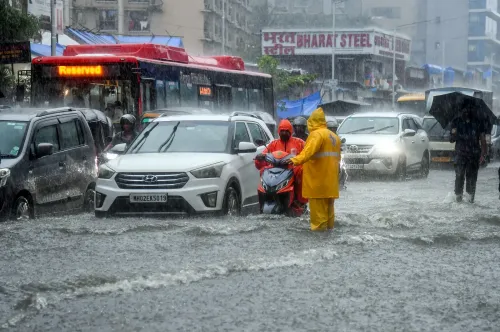
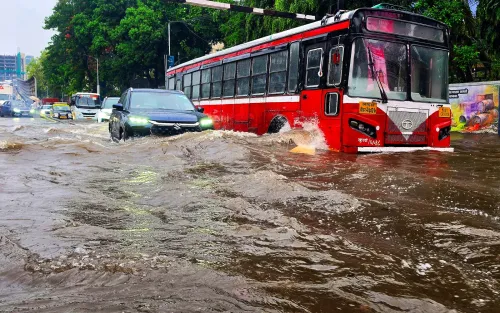
Heavy monsoon rains pounded Mumbai and its suburbs on 24 June, inundating low-lying areas across the city and the wider Mumbai Metropolitan Region, as the Brihanmumbai Municipal Corporation (BMC) deployed more than 7,000 officers and staff to manage emergencies and restore normalcy. Several areas recorded upwards of 300 mm of rainfall within 24 hours, making it one of the season's most intense downpours so far.
Rainfall Figures Across the City
Among the worst-hit localities, Malvani recorded approximately 340 mm of rain, while the Parel area received nearly 334 mm. At the city's two official weather stations, Colaba logged 248 mm and Santacruz recorded 225 mm over the same period. The uneven distribution underscored how the monsoon's impact varied sharply across different pockets of the metropolis.
BMC Emergency Response
The BMC's emergency response system was operating at full capacity by Wednesday. Dewatering pumps, stormwater pumping stations and flood-control systems were activated across the city, and accumulated water was being drained at a pace that, according to civic officials, kept major roads relatively passable despite the relentless downpour.
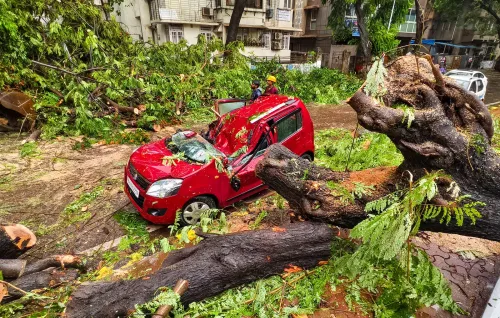
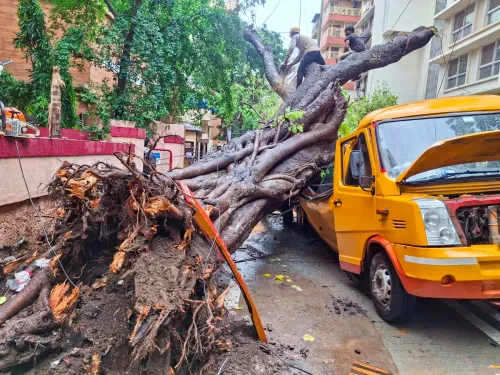
The BMC Disaster Management Department placed teams on round-the-clock watch at vulnerable spots — including railway stations, bridges, nullahs and coastal zones — while the Mumbai Fire Brigade and other emergency agencies remained on standby for tree falls, short circuits and flooding incidents. Nine trees of varying sizes collapsed across different parts of the city; no casualties or major injuries were reported in those incidents.
Municipal Commissioner Ashwini Bhide urged residents to follow advisories issued by the India Meteorological Department (IMD) and contact the BMC control room in case of emergencies. She confirmed that all municipal departments had been directed to remain on high alert given forecasts of continued heavy rainfall.
Vasai-Virar and Nalasopara Hit Hard
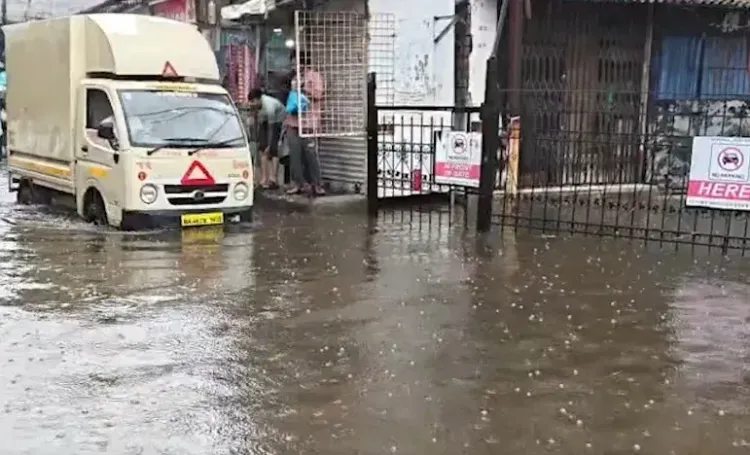
The deluge was not confined to Mumbai city. Vasai-Virar and Nalasopara, in the extended metropolitan region, witnessed severe waterlogging that disrupted daily commutes and forced water into homes and commercial establishments. In Nalasopara, the road leading to Alliance Hospital was completely submerged, while flooding was reported in Tulinj, Central Park, Gala Nagar, Nagindas Pada, Vijay Nagar, Pelhar and the Tulinj Bridge area.
In Virar, localities including Chandansar, Tandul Bazar and the Viva College campus reported flooding. Naigaon's Star City and Pereira Nagar, along with Vasai's Parvati Talkies area, Bangli Road and Girij-Bhuigaon Road, also saw significant water accumulation. The Vasai-Virar Municipal Corporation deployed suction pumps at multiple locations and said efforts to restore normalcy were underway.
Notably, the Vasai-Virar Municipal Corporation had earlier claimed that more than 95 per cent of pre-monsoon drain-cleaning work had been completed. The scale of Wednesday's flooding has raised pointed questions about the effectiveness of those preparations, with residents alleging that inadequate drainage infrastructure and incomplete maintenance contributed to the inundation.
Tree Fall in Dadar, Metro on Standby
In Dadar East, a large tree fell on a parked car following strong winds, prompting immediate deployment of Fire Brigade teams and BMC officials for clearance operations. Separately, Maha Mumbai Metro deployed additional standby trains across all metro corridors to ensure uninterrupted services and absorb the surge in passengers avoiding waterlogged roads. Officials said extra services can be introduced at short notice depending on weather developments and passenger demand.
What Comes Next
The IMD has forecast continued heavy rainfall over Mumbai and the broader Maharashtra coast in the coming days. With the monsoon still in its early weeks, civic agencies face sustained pressure to keep drainage systems functional and emergency response teams mobilised. The first major spell of the season has already exposed infrastructure gaps — the weeks ahead will test whether corrective action can keep pace with the rains.
Point of View
But as a governance failure. If the first significant spell of the season turns arterial roads into ponds, the benchmark for 'completion' is clearly inadequate. Mumbai's monsoon crisis is perennial precisely because civic bodies measure inputs (drains cleaned, pumps deployed) rather than outcomes (water cleared within X hours). Until accountability is tied to drainage performance rather than preparedness paperwork, the annual cycle of flooding, blame-shifting and forgotten promises will continue. The BMC's 7,000-person deployment is commendable as crisis management; it is not a substitute for infrastructure that works before the crisis begins.
NationPress
22 Sept 2026
Frequently Asked Questions
How much rainfall did Mumbai receive on 24 June 2025?
Several parts of Mumbai recorded more than 300 mm of rainfall in 24 hours on 24 June. Malvani received approximately 340 mm, Parel nearly 334 mm, Colaba 248 mm and Santacruz 225 mm, according to BMC rainfall data.
How many personnel did the BMC deploy during the Mumbai rains?
The BMC deployed more than 7,000 officers and staff across Mumbai to manage waterlogging, operate dewatering pumps, monitor vulnerable locations and respond to emergencies. The Mumbai Fire Brigade and disaster management teams were also placed on standby.
Which areas outside Mumbai were worst affected by the monsoon?
Vasai-Virar and Nalasopara in the Mumbai Metropolitan Region were severely affected, with roads submerged and water entering homes and commercial establishments. Specific localities hit include Chandansar, Tulinj, Gala Nagar, Star City in Naigaon and the Parvati Talkies area in Vasai.
Were any casualties reported during the Mumbai rains on 24 June?
No casualties or major injuries were reported. Nine trees of varying sizes fell across the city, including one large tree on a parked car in Dadar East, but emergency teams responded promptly and no fatalities were recorded.
What did Municipal Commissioner Ashwini Bhide say about the situation?
Municipal Commissioner Ashwini Bhide appealed to citizens to follow IMD advisories and contact the BMC control room in emergencies. She confirmed that all municipal departments had been directed to remain on high alert given forecasts of continued heavy rainfall over Mumbai.