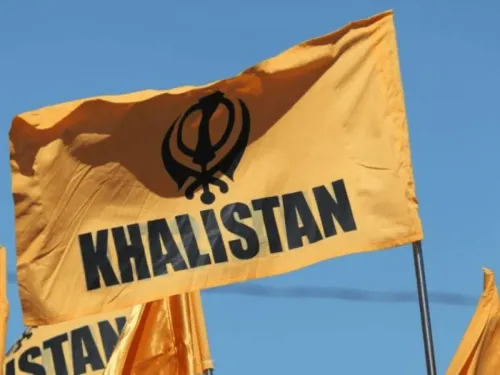
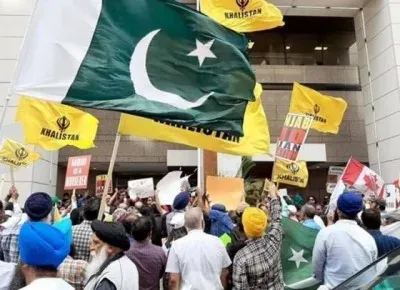
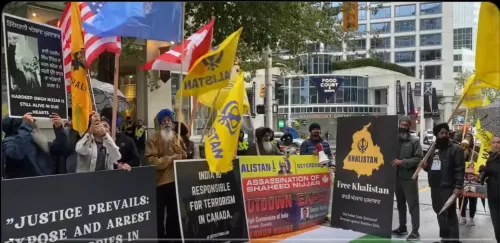
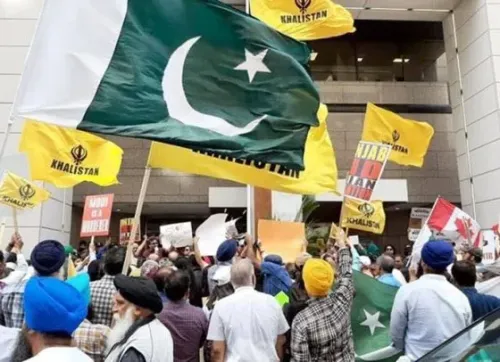
Khalistan separatist campaign abroad fails to represent India's Sikhs: Report
Synopsis
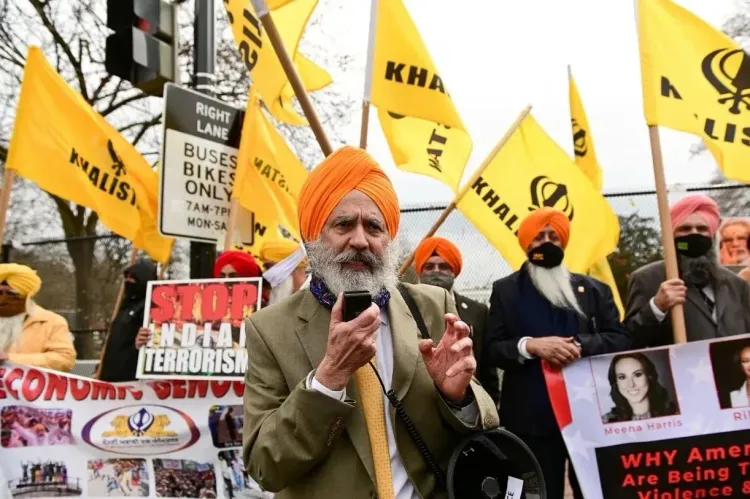
A Khalsa Vox report delivers a pointed rebuttal to overseas Khalistani campaigns: the 'Khalistan Referendum' and 'Khalistan Car Rally' represent a fringe political agenda, not the voice of India's millions of Sikhs — a community that, as the report notes, has contributed soldiers, scientists, and even a head of state to the Indian republic.
Key Takeaways
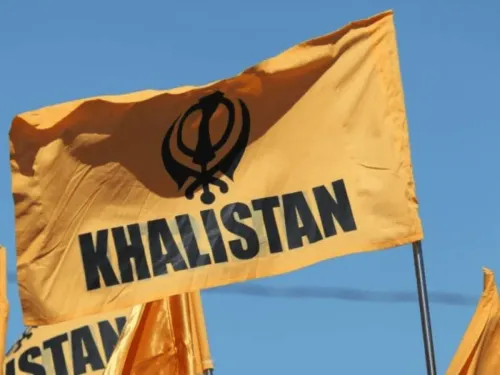
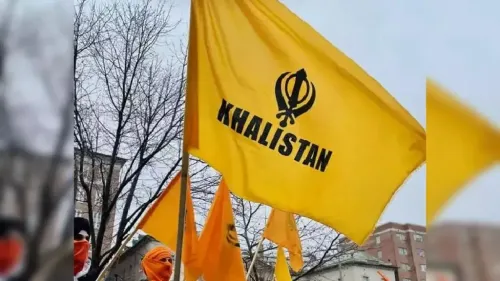
A Khalsa Vox report published on 8 August states that the Khalistani separatist campaign abroad does not represent the millions of Sikhs living in India .
Campaigns such as the 'Khalistan Referendum' and 'Khalistan Car Rally' are described as the agenda of a handful of fringe overseas organisations, not a community-wide movement.
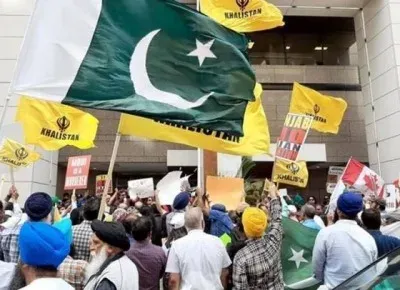
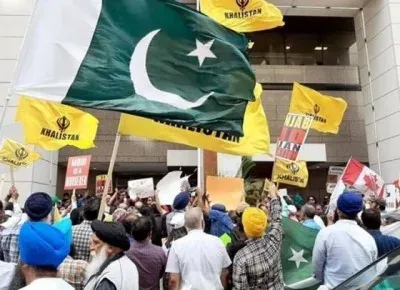
The report questions why pro-Khalistan groups do not address documented concerns over Sikh welfare in Pakistan , including threats to religious sites and minority rights.
Historical context cited: during the Partition of 1947 , Sikh leadership chose to remain with India rather than pursue a separate nation.
Sikhs in India today serve as farmers, soldiers, scientists, judges, and public servants, with community members having held India's highest constitutional office .
The report concludes that attempts to undermine India's unity and territorial integrity have failed historically and will continue to fail.
A report by Khalsa Vox has concluded that the Khalistani separatist campaign being waged on foreign soil — under the banners of the 'Khalistan Referendum' and 'Khalistan Car Rally' — does not reflect the views of millions of Sikhs living in India, and represents instead the narrow political agenda of fringe overseas groups. The report, cited on 8 August, asserts that repeated attempts to undermine India's sovereignty, unity, and territorial integrity have failed historically and will continue to do so.
Separatist Campaign Does Not Speak for India's Sikhs
The Khalsa Vox report draws a firm distinction between the Sikh community in India and the Khalistan movement. 'It is important to understand that the Indian Sikh community and the demand for Khalistan are two entirely different things. The average Sikh in India believes in the teachings of the Sikh Gurus, the Constitution of India, and the unity of the nation,' the report stated.
It further noted that certain individuals living overseas project themselves as representatives of the entire Sikh community, despite lacking the support of the overwhelming majority of Sikhs in India. The report argued that if the Khalistani ideology truly commanded widespread public backing, that sentiment would be visible in India's democratic and electoral landscape — which it is not.
Questions Raised Over Silence on Sikh Welfare in Pakistan
The report also challenged the stated humanitarian motivations of pro-Khalistan groups by pointing to the condition of Sikhs in Pakistan. 'The Sikh population there remains very small, and concerns regarding the protection of religious sites, minority rights, and the preservation of Sikh heritage continue to emerge from time to time,' it noted.
According to the report, if the genuine objective of these overseas groups were the welfare of the Sikh community, greater attention would be directed toward addressing those documented challenges rather than promoting separatist politics directed against India.
Historical Context: Sikh Leadership Chose India in 1947
The report invokes the Partition of 1947 as a defining historical reference point. It points out that when the future of the subcontinent was being determined, Sikh leadership chose to remain with India — a decision that reflected the community's deep and inseparable connections to the country's history, faith, and future. Had the creation of a separate Sikh nation been the primary objective, the circumstances of Partition would have provided a very different context, the report argues.
Sikh Contributions to India's National Life
Countering the separatist narrative, the report highlights the prominent role Sikhs play across all spheres of Indian public life. 'Today, Sikhs contribute to India as farmers, soldiers, scientists, judges, entrepreneurs, and public servants, with members of the community having reached even the highest constitutional office in the country,' Khalsa Vox stated.
This, the report argues, reflects the equal opportunities and respect that India provides to all its citizens — making the Khalistan movement's premise fundamentally disconnected from lived reality for most Indian Sikhs.
Outlook: Fringe Ambition, Not Community Aspiration
The report concludes that while the idea of Khalistan may continue to serve as a political ambition for a handful of individuals, it does not represent the aspirations of millions of Sikhs in India. 'The Indian Sikh community continues to move forward with faith in the teachings of the Sikh Gurus, respect for the Constitution, and pride in the Indian tricolour. Attempts to undermine India's unity and integrity have failed in the past and will continue to fail in the future,' the report stated. How overseas governments respond to such separatist activity on their soil will remain a key diplomatic flashpoint for India going forward.
Point of View
But its value lies in the source — a Sikh-oriented platform making the argument from within the community rather than from government corridors. What the report does not fully address is the structural question: why overseas Sikh diaspora communities, particularly in Canada and the United Kingdom, continue to provide fertile ground for Khalistani mobilisation. The silence on Sikh welfare in Pakistan is a pointed rhetorical move, but it sidesteps the domestic grievances — historical and ongoing — that separatist groups exploit for recruitment. The real diplomatic challenge for India is not the referendum itself, which carries no legal weight, but the political legitimacy that host governments implicitly extend by permitting such events.
NationPress
8 Aug 2026
Frequently Asked Questions
What is the Khalistan Referendum and who is behind it?
The Khalistan Referendum is a campaign organised by overseas Khalistani separatist groups seeking to advocate for a separate Sikh homeland carved out of India. According to the Khalsa Vox report, it is driven by a handful of fringe organisations abroad and does not represent the views of the Sikh community in India.
Does the Khalistan movement have support among Sikhs in India?
According to the Khalsa Vox report, the overwhelming majority of Sikhs in India do not support the Khalistan movement. The report argues that if the separatist ideology had genuine public backing, it would be reflected in India's democratic and electoral landscape — which it is not.
Why does the report question pro-Khalistan groups over Pakistan?
The Khalsa Vox report challenges the stated humanitarian motivations of pro-Khalistan groups by pointing to documented concerns about the safety of Sikhs in Pakistan, including threats to religious sites and minority rights. It argues that groups genuinely concerned with Sikh welfare should focus on those issues rather than separatist politics against India.
What historical precedent does the report cite to counter the Khalistan demand?
The report references the Partition of 1947, noting that Sikh leadership at the time chose to remain with India rather than pursue a separate nation. It argues this choice reflected the Sikh community's deep historical, cultural, and spiritual ties to India.
What role do Sikhs play in India today?
According to the Khalsa Vox report, Sikhs contribute to India across a wide range of fields including farming, the armed forces, science, judiciary, entrepreneurship, and public service. The report notes that members of the community have reached the highest constitutional office in the country, citing this as evidence of the equal opportunities India provides.