Khalistani extremists hijacking Gurdwaras, holding referendums: Khalsa Vox report
Synopsis
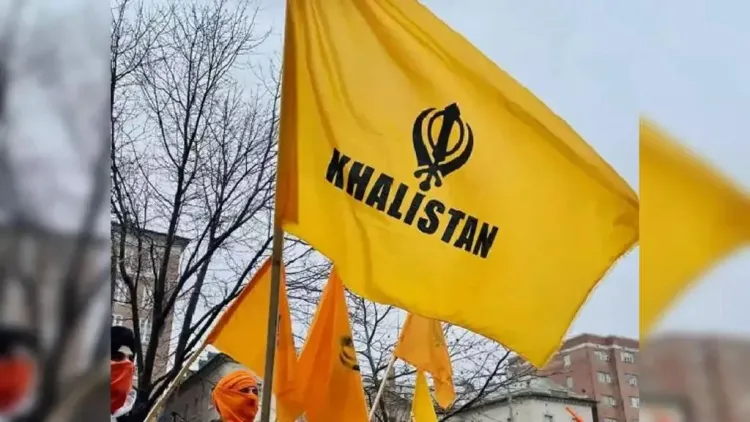
A Khalsa Vox report warns that Khalistani extremists are desecrating Gurdwaras in Canada, the US, and the UK — displaying imagery of the mastermind behind the 1985 Air India bombing that killed 329 people — while the overwhelming majority of Sikhs reject both terrorism and separatism. The report calls the viral video exposing this a wake-up call for the diaspora and host governments alike.
Key Takeaways
A Khalsa Vox report documents Khalistani extremists displaying photos of Talwinder Singh Parmar — mastermind of the 1985 Air India Flight 182 bombing — inside Gurdwaras in Canada , the US , and the UK .
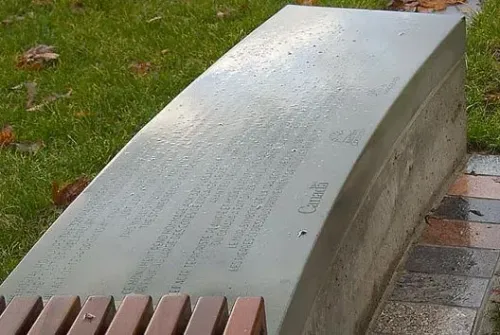
The Air India Flight 182 bombing killed 329 people , most of them Canadians, and remains one of the deadliest acts of aviation terrorism in history.
The report accuses extremists of 'hijacking Gurdwaras, holding referendums and displaying Bhindranwale imagery', tarnishing the reputation of the broader Sikh diaspora.
The Khalistan movement traces its roots to 1980s Punjab , including Operation Blue Star and the anti-Sikh riots, though most Sikhs today reject separatism.
Attacks on Hindu temples and some Gurdwaras in Canada are cited as evidence of a growing atmosphere of intolerance fuelled by extremist elements.
Khalistani extremism is reportedly tarnishing the reputation of the overwhelmingly law-abiding Sikh diaspora in Canada, the United States, the United Kingdom, and beyond, according to a report published by Khalsa Vox. The report argues that the vast majority of Sikhs reject terrorism, yet a minority of extremists are hijacking sacred institutions to advance a violent political agenda.
Gurdwaras Turned Into Political Platforms
A video circulating on social media has drawn sharp attention to what the Khalsa Vox report describes as the 'ugly underbelly' of certain Sikh institutions abroad. According to the report, photos of armed militants and Talwinder Singh Parmar — the Babbar Khalsa leader identified as the mastermind behind the 1985 Air India Flight 182 bombing that killed 329 people, most of them Canadians — have been found displayed inside Gurdwaras across Canada, the US, the UK, and other countries.
'Politicians pay visits, governments dispense taxpayer grants, and extremists openly glorify terror. This is not devotion. It is a desecration,' the report stated. It further charged that Gurdwaras, meant as sanctuaries for worship, equality, and service, have been 'twisted into platforms for a violent political agenda.'
The Air India Bombing's Lasting Shadow
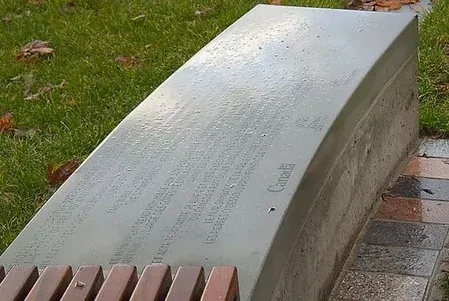
The 1985 Air India Flight 182 bombing remains one of the deadliest acts of aviation terrorism in history. The report notes that the tragedy left a deep scar on Canadian society, and that honouring its architect dishonours both the victims and the overwhelming majority of Sikhs who condemned such violence. By associating the community with such figures, extremists reportedly fuel suspicion, strain inter-community relations, and erode the freedoms enjoyed by the Sikh diaspora.
Origins of the Khalistan Movement
The report traces the Khalistan movement — which seeks a separate Sikh homeland — to the turbulent events of 1980s Punjab, including Operation Blue Star, the assassination of Indira Gandhi, and the anti-Sikh riots that followed. While acknowledging that these events gave rise to legitimate grievances and immense suffering within the Sikh community, the report argues that transforming historical trauma into the glorification of terrorists 'serves no purpose for Punjab's Sikhs today, most of whom reject separatism.' It warns that doing so risks perpetuating cycles of division and violence abroad.
Documented Incidents and Community Impact
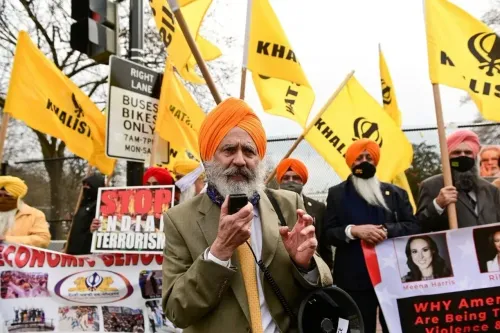
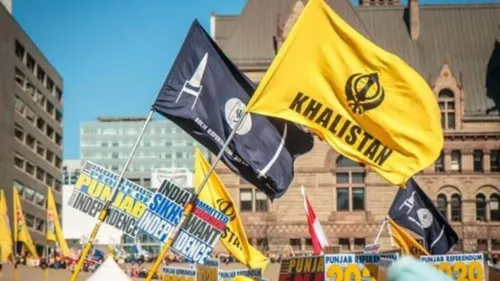
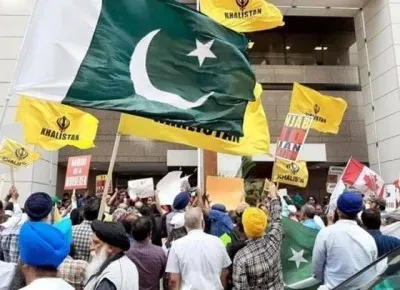
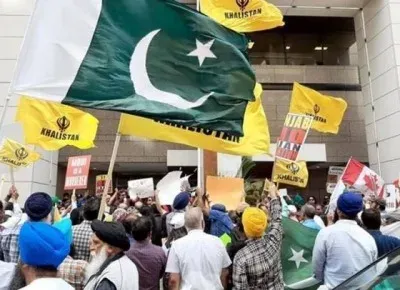
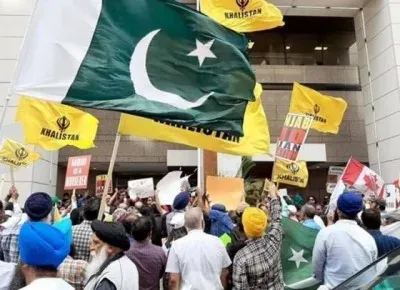
Citing multiple reports, Khalsa Vox documented instances of Khalistani activists 'hijacking Gurdwaras, holding referendums and displaying Bhindranwale imagery', alongside confrontations involving moderate Sikhs and members of other communities. The report also pointed to attacks targeting Hindu temples and some Gurdwaras in Canada as evidence of a broader atmosphere of intolerance.
'What should evoke pride — Sikh resilience, charity, and martial tradition in service of dharma — now risks association with shame,' the report warned, describing the viral video as a 'wake-up call'. It concluded that Khalistan extremists, by hijacking sacred institutions, 'betray that wisdom' of the Sikh Gurus and 'bring disrepute to a community known for its contributions and spiritual depth.'
The findings come amid heightened scrutiny of Khalistani networks in Western countries, and ongoing diplomatic tensions between India and Canada over the issue of extremist activity on Canadian soil.
Point of View
Which carries a moral weight that government advisories do not. The deeper problem is structural: Western governments have been slow to distinguish between legitimate Sikh political expression and the glorification of designated terrorists, partly out of multicultural caution and partly because Khalistani networks have become electorally significant in Canada. That ambiguity has allowed extremists to operate in plain sight — inside taxpayer-funded community spaces — while moderate Sikhs bear the reputational cost. Until host governments enforce a clear line between religious freedom and the public veneration of mass-casualty terrorists, the cycle the report describes will continue.
NationPress
18 Sept 2026
Frequently Asked Questions
What does the Khalsa Vox report say about Khalistani extremists?
The Khalsa Vox report states that Khalistani extremists are hijacking Gurdwaras in Canada, the US, and the UK, displaying images of militants including Talwinder Singh Parmar — the mastermind of the 1985 Air India bombing — and holding political referendums inside religious spaces. It argues this desecrates Sikh institutions and brings disrepute to the broader, law-abiding Sikh diaspora.
Who was Talwinder Singh Parmar and why is he significant?
Talwinder Singh Parmar was the leader of the Babbar Khalsa and is identified as the mastermind behind the 1985 Air India Flight 182 bombing, which killed 329 people — most of them Canadians. His glorification inside Gurdwaras abroad is at the centre of the Khalsa Vox report's concerns.
What is the Khalistan movement and where did it originate?
The Khalistan movement seeks a separate Sikh homeland and traces its origins to the turbulent events of 1980s Punjab, including Operation Blue Star, the assassination of Indira Gandhi, and the anti-Sikh riots. While these events created genuine grievances, the report notes that the vast majority of Sikhs today reject separatism.
How are moderate Sikhs affected by Khalistani extremism?
According to the report, extremist activity fuels suspicion of the entire Sikh community, strains relations with other communities, and weakens the freedoms enjoyed by the diaspora. Moderate Sikhs have also reportedly faced direct confrontations with extremist elements at community institutions.
What has been the response of Western governments to Khalistani activity?
The Khalsa Vox report notes that politicians continue to visit implicated Gurdwaras and governments have dispensed taxpayer grants to institutions that allegedly glorify terror, suggesting insufficient scrutiny. The report calls for a clear distinction between legitimate religious expression and the veneration of individuals responsible for mass-casualty attacks.