Khalistani extremism in Canada: Mock Modi funeral sparks fresh alarm
Synopsis
A mock funeral for PM Modi staged by Khalistani extremists on Canadian streets is the latest flashpoint in a long-running failure of enforcement — one that Canada's own spy agency, CSIS, acknowledged in its 2025 report. Four decades after the 1985 Air India bombing killed 329 people, critics say Ottawa is still choosing electoral calculus over national security.
Key Takeaways
Khalistani extremists staged a mock funeral for Prime Minister Narendra Modi on Canadian soil , burning effigies and holding processions.
The 1985 Air India bombing — Canada's deadliest terror attack — killed 329 people , with perpetrators reportedly drawing support from Canada-based networks.
CSIS acknowledged in its 2025 public report that Canada-based Khalistani extremists continue to pose a national security threat.
Critics argue successive Canadian governments, particularly under Justin Trudeau , prioritised bloc-vote electoral considerations over national security, straining ties with India .
India has repeatedly urged Ottawa to act against groups involved in terrorism financing and anti-India propaganda, drawing a clear line between peaceful protest and glorification of violence.
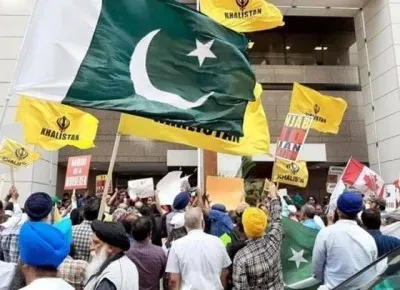
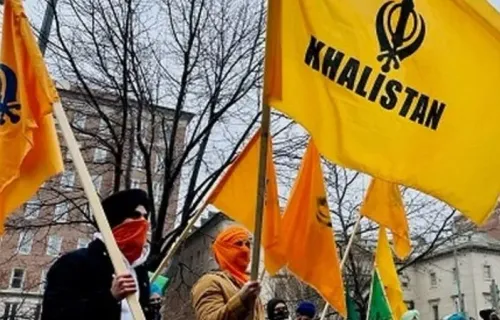
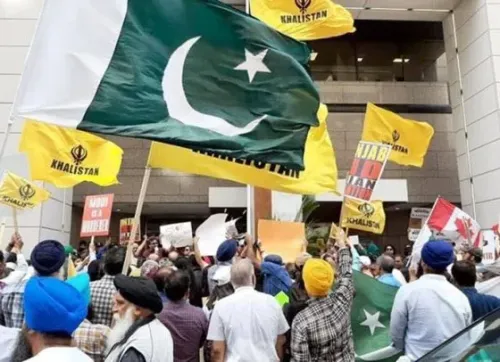
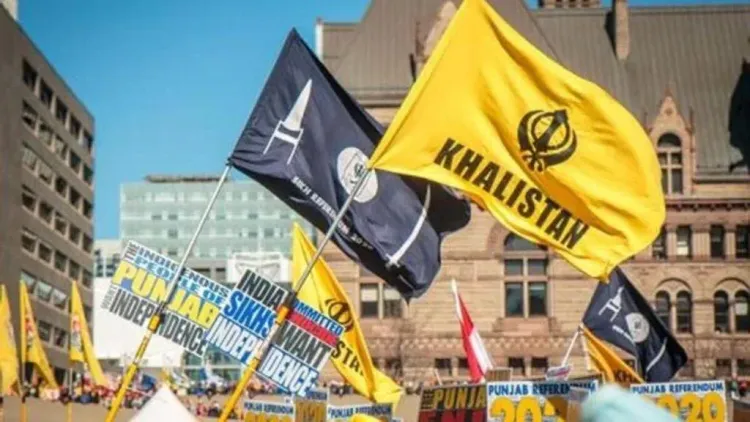
The staging of a mock funeral for Prime Minister Narendra Modi on Canadian soil has reignited concerns over Khalistani extremism in Canada, with a report arguing that Ottawa's commitment to multiculturalism cannot serve as cover for foreign separatists who, in the report's words, 'import their grievances and export terror.' The incident, which involved burning effigies and organised processions, has drawn sharp condemnation as crossing the line from protest into incitement.
What Happened
According to a report in Khalsa Vox, Khalistani extremists recently staged a mock funeral for the Indian Prime Minister on Canadian streets. The report described the event as part of a pattern that includes years of 'Kill Modi' chants at rallies — later rebranded as 'Kill Modi politics' when public scrutiny intensified. 'The mask is off,' the report stated, characterising what it called the open glorification of political assassination on Canadian streets.
Canada's Security Record Under Scrutiny
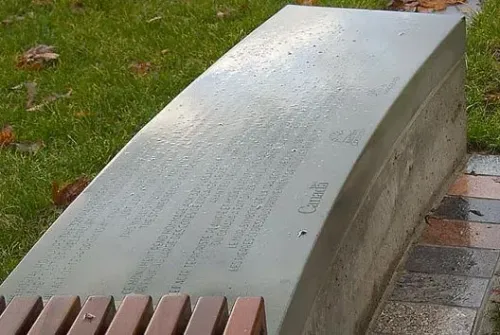
The report invoked the 1985 Air India bombing — Canada's deadliest terrorist attack, which killed 329 people, the majority of them Canadian citizens — as evidence of the long and bloody history of Khalistani extremism on Canadian territory. Perpetrators of that attack reportedly drew support from networks operating within Canada.
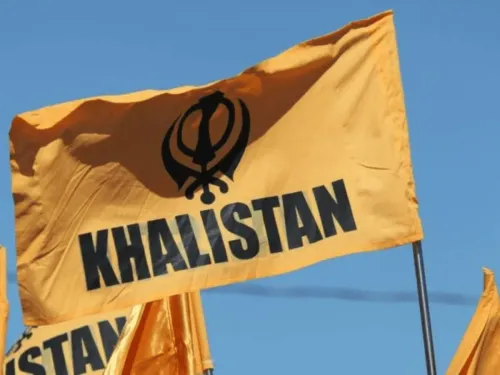
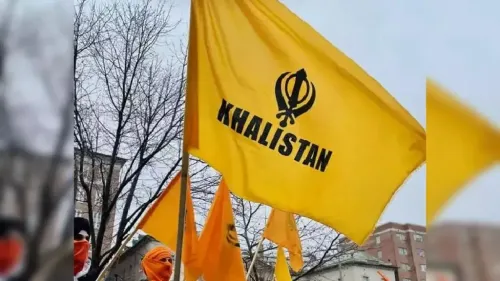
Notably, the Canadian Security Intelligence Service (CSIS) itself acknowledged in its 2025 public report that Canada-based Khalistani extremists (CBKE) continue to pose a national security threat, engaging in fundraising, organisation, and the promotion of violence. Critics argue that despite this formal acknowledgement, enforcement has remained lax.
Political Calculus vs. National Security
The report argued that successive Canadian governments, particularly under former Prime Minister Justin Trudeau, prioritised electoral considerations over national security imperatives — a stance that has, according to the report, 'soured relations with India,' described as one of the world's fastest-growing major economies and a key counterweight to China in the Indo-Pacific.
Mainstream Sikh organisations have reportedly denounced the radical fringe, but their voices, the report contends, are 'drowned out by a vocal minority that has captured political attention through bloc voting.' This dynamic, critics argue, has allowed extremist elements to operate with relative impunity while moderate Sikhs who reject separatism face intimidation.
India's Position and the Broader Stakes
The report stressed that the issue is not India's alone to bear. It warned that tolerating calls for the killing of a foreign head of state normalises political assassination as a form of dissent and damages Canada's standing as a credible actor on the global stage. 'It erodes public trust when citizens see their government unwilling to confront imported extremism,' the report noted.
Prime Minister Modi's government has, according to the report, repeatedly raised these concerns with Ottawa, calling for action against individuals and groups linked to terrorism financing and anti-India propaganda. India's stated position distinguishes between peaceful advocacy — which it does not contest — and the glorification of violence or support for groups behind attacks such as the 1985 Air India bombing.
With India-Canada relations already under strain following a series of diplomatic flashpoints in recent years, the latest incident is likely to add further pressure on Ottawa to demonstrate that its pluralism does not extend to shielding those who celebrate violence against a democratic ally's leadership.
Point of View
And that gap is political in origin. Successive governments in Ottawa have treated the Sikh diaspora as a monolithic vote bank, conflating a peaceful majority with a violent fringe that mainstream Sikh organisations themselves reject. The real casualty is not just India-Canada relations — it is the moderate Sikhs in Canada who are intimidated into silence while their community's name is weaponised by separatists. Until Ottawa separates electoral convenience from security policy, every mock funeral and 'Kill Modi' chant will carry a diplomatic cost that compounds.
NationPress
22 Oct 2026
Frequently Asked Questions
What happened in the mock funeral incident involving PM Modi in Canada?
Khalistani extremists staged a mock funeral for Indian Prime Minister Narendra Modi on Canadian soil, involving burning effigies and organised processions. A report in Khalsa Vox described the event as crossing from protest into incitement, part of a broader pattern that includes years of 'Kill Modi' chants at Canadian rallies.
What did Canada's spy agency CSIS say about Khalistani extremists?
The Canadian Security Intelligence Service (CSIS) acknowledged in its 2025 public report that Canada-based Khalistani extremists (CBKE) continue to pose a national security threat. According to the report, they engage in fundraising, organisation, and promotion of violence using Canadian territory as a base.
What is the connection between Khalistani extremism and the 1985 Air India bombing?
The 1985 Air India bombing is Canada's deadliest terrorist attack, killing 329 people — the majority of them Canadian citizens. Perpetrators reportedly drew support from Khalistani networks operating within Canada, making it a foundational reference point in debates about the threat posed by Canada-based extremists.
How has India responded to Khalistani extremist activity in Canada?
Prime Minister Modi's government has repeatedly raised concerns with Ottawa, calling for action against individuals and groups linked to terrorism financing and anti-India propaganda. India distinguishes between peaceful advocacy and the glorification of violence or support for groups behind attacks such as the 1985 Air India bombing.
Why has Canada been slow to act against Khalistani extremists?
Critics, including the Khalsa Vox report, argue that successive Canadian governments — particularly under Justin Trudeau — prioritised electoral considerations tied to bloc voting within the Sikh diaspora over national security enforcement. This has allegedly allowed a vocal extremist minority to operate with relative impunity despite formal intelligence warnings.