Khalistani extremist content in Canada raises alarm, report warns
Synopsis
A new report by Khalsa Vox draws a sharp line between legitimate Sikh political advocacy and a 'radical fringe' promoting weapons glorification and intimidation across Canadian cities. Its central warning: selective law enforcement is not just a failure of policy — it actively fuels further radicalisation.
Key Takeaways
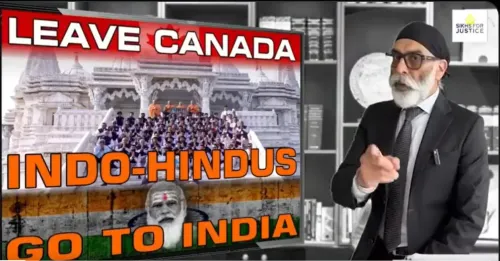
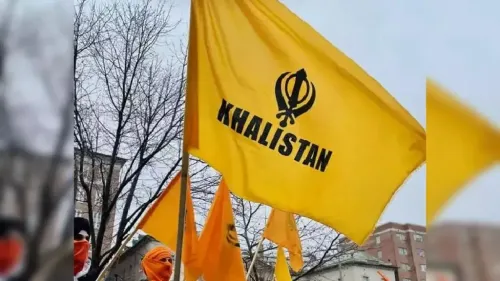
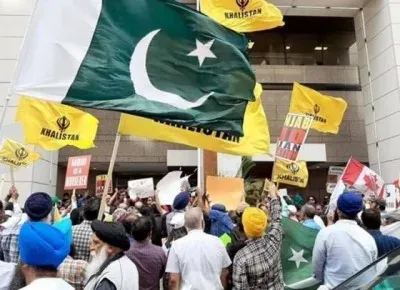
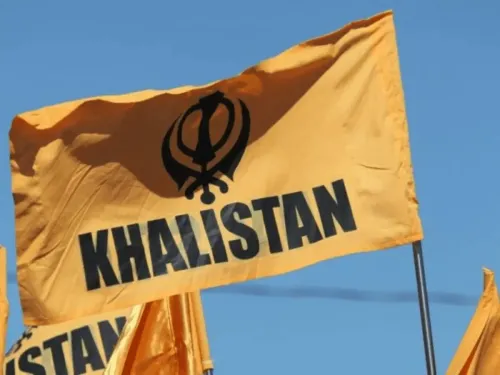
A Khalsa Vox report released on 18 May flagged a rise in violent Khalistani extremist content across several Canadian cities.
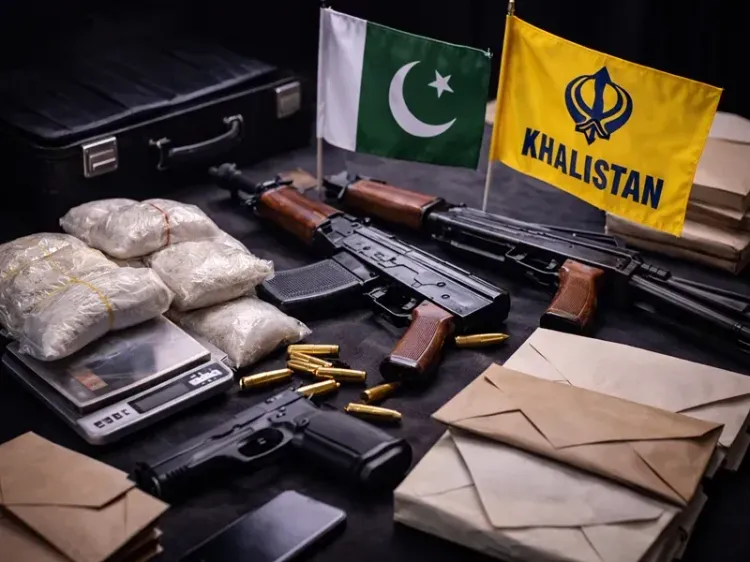
The report cited online glorification of firearms, public weapons displays, and intimidation rhetoric as key concerns.
It clearly distinguished between lawful political expression and violent extremism, stressing the vast majority of Sikh Canadians must not be conflated with a 'radical fringe.' The report called for strong intelligence gathering, community cooperation, and consistent law enforcement against illegal weapons and violent incitement.
Community leaders were urged to reject glorification of violence and prevent radicalisation among youth.
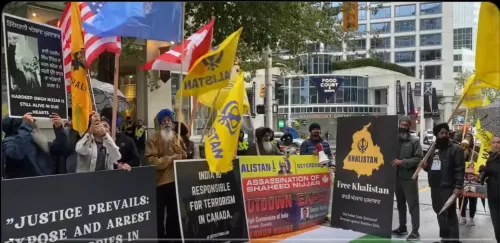
A report published by Khalsa Vox has flagged a pattern of troubling incidents linked to violent Khalistani extremism across several Canadian cities, warning that online glorification of firearms, public weapons displays, and intimidation rhetoric pose a direct threat to public safety and social cohesion. The findings, released on Monday, 18 May, come amid growing concern among communities across Canada over the normalisation of extremist behaviour.
What the Report Found
According to the report, videos circulating on digital platforms that glorify weapons and promote intimidation run counter to the values Canadians broadly hold. The report was unambiguous: no democratic society should normalise gun culture, threats, or acts designed to generate fear among ordinary families. It stressed the need to draw a clear distinction between lawful political expression and violent extremism.
The report noted that the vast majority of Sikh Canadians are law-abiding citizens who contribute significantly to the country's economy, culture, and public life, and should never be unfairly associated with the conduct of what it called a 'radical fringe.'
The Civil Liberties Argument and Its Limits
'Canada proudly protects freedom of speech and the right to advocate for political causes, even controversial ones,' the report stated. However, it added a firm caveat: 'respecting civil liberties cannot mean ignoring extremist behaviour when it crosses into criminality or public intimidation.'
The report argued that open displays of weapons, online incitement to violence, and intimidation tactics demand a firm and consistent response from Canadian law enforcement and government institutions. It cautioned that selective enforcement weakens public confidence and risks accelerating radicalisation.
Call for Early Intervention and Community Responsibility
Drawing on Canada's experience with other extremist movements, the report underscored that early intervention has historically been the most effective check on radicalisation. It called for strong intelligence gathering, community cooperation, and strict enforcement against illegal weapons possession and violent incitement.
Community leaders, the report argued, carry a parallel responsibility — to actively reject the glorification of violence and ensure that young people are not drawn toward extremism 'disguised as activism.'
What Canadians Expect
'Canadians expect police and government institutions to enforce the law without hesitation, regardless of ideology or affiliation,' the report stated. At its core, the report framed the issue as a question of what kind of country Canada wants to pass on to the next generation — one where families can move freely, attend community events, and hold beliefs without fear of violence or intimidation.
'Protecting that peace requires moral clarity: political disagreements belong in democratic debate, but violence and extremist intimidation have no place in Canadian society,' the report concluded. As Canadian authorities face renewed scrutiny over their handling of extremist activity, the report's findings are likely to intensify calls for a more structured policy response.
Point of View
Where concerns about Khalistani extremism have strained India-Canada diplomatic ties. What the report does carefully — and what mainstream coverage often does not — is separate the question of civil liberties from the question of law enforcement, arguing these are not in conflict. The harder question it leaves unanswered is why Canadian authorities have been slow to act on documented incidents. If selective enforcement is already eroding public trust, as the report suggests, the cost of continued inaction is not just diplomatic — it is domestic.
NationPress
3 Oct 2026
Frequently Asked Questions
What did the Khalsa Vox report on Khalistani extremism in Canada find?
The report found a pattern of troubling incidents across several Canadian cities linked to violent Khalistani extremism, including online glorification of firearms, public weapons displays, and intimidation rhetoric. It called for firm and consistent law enforcement action and early intervention to prevent further radicalisation.
Does the report target the Sikh community as a whole?
No. The report explicitly stated that the vast majority of Sikh Canadians are law-abiding citizens who contribute enormously to the country's economy, culture, and public life. It directed its concerns solely at what it described as a 'radical fringe' and cautioned against unfair association with the broader community.
What does the report say about freedom of speech in Canada?
The report acknowledged that Canada protects freedom of speech and the right to advocate for political causes, including controversial ones. However, it argued that civil liberties cannot be used as a shield for behaviour that crosses into criminality or public intimidation.
What actions does the report recommend?
The report recommended strong intelligence gathering, community cooperation, and strict enforcement against illegal weapons possession and violent incitement. It also called on community leaders to actively reject violence glorification and prevent young people from being drawn into extremism.
Why does the report say selective enforcement is dangerous?
According to the report, selective enforcement — applying the law inconsistently based on ideology or affiliation — weakens public confidence in institutions and encourages further radicalisation by signalling that extremist behaviour carries no real consequence.