Khalistani Referendums Abroad: A Distorted Activism Exposed
Synopsis
A recent report exposes the Khalistani movement as a troubling cycle of violence and intimidation, impacting peaceful Sikhs and straining India-Canada relations. With radical factions perpetuating this narrative, the report highlights the dangers of glorifying violence and the challenges facing critics.
Key Takeaways
The Khalistani movement is seen as a cycle of intimidation and violence.
A minority within the diaspora is perpetuating this narrative .
Violence against critics and moderate Sikhs is escalating.
Recent events have drawn parallels to historical violence.
Understanding this issue is crucial for community relations.
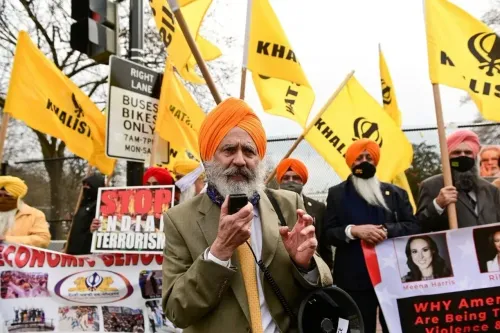
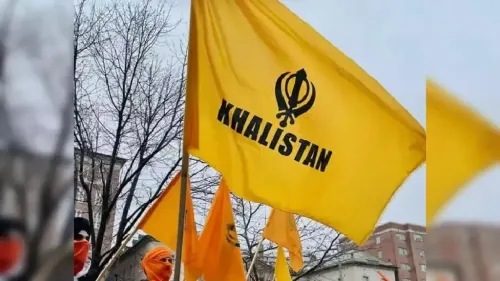
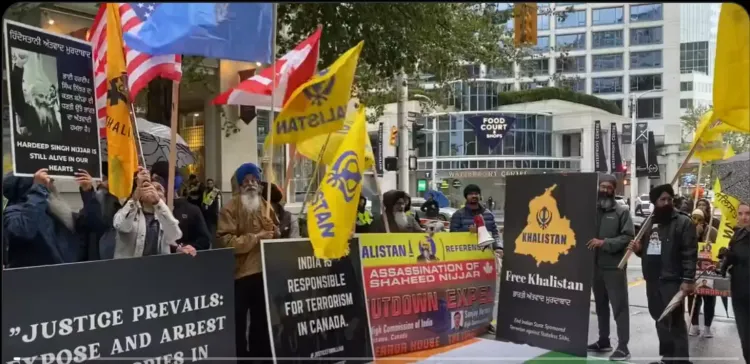
Ottawa, March 23 (NationPress) The so-called 'Khalistani movement' represents a disturbing cycle of intimidation and violence glorification, perpetuated by a minority within the diaspora in Canada as a distorted version of activism. This movement stifles free speech in Western nations, jeopardizes India-Canada relations, and adversely affects the majority of peaceful Sikhs who have no ties to separatism, as highlighted in a recent report.
Canadian investigative journalist Mocha Bezirgan, known for his extensive coverage of Khalistan events, pointed out the absurd nature of the so-called Khalistani 'referendums' in a post on X. His observations were documented in a report by 'Khalsa Vox'.
Bezirgan noted, "The Khalistan 'referendum' is returning to Alberta. It has appeared in the same locations repeatedly, showcasing a troubling trend where these 'referendums' recycle the same venues and attract similar fringe audiences."
The report elaborated that these votes are never final and merely serve to perpetuate a cycle of grievance and radicalization.
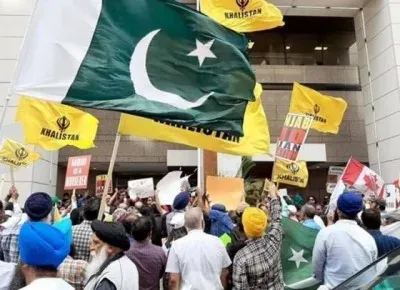
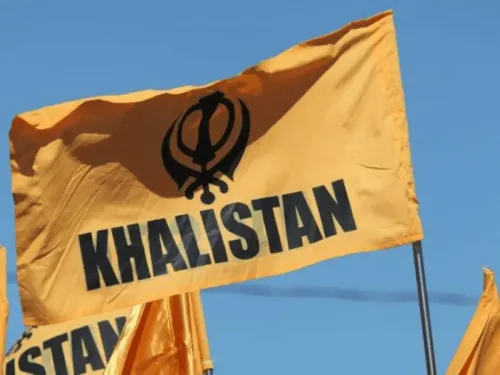
This pattern is disturbingly familiar, as extremist factions like Sikhs for Justice (SFJ) and the Council of Khalistan orchestrate these repeated referendums that resemble festive gatherings marked by sword-waving, chants of 'Khalistan Zindabad', and desecration of the Indian flag.
The report traced the origins of this cycle back to the 1985 Air India bombing, a tragedy orchestrated by Babbar Khalsa extremists, resulting in the deaths of 329 individuals, marking it as the deadliest act of aviation terrorism prior to 9/11.
Today, the cycle continues with alarming familiarity. Sikhs for Justice (SFJ) and the Council of Khalistan conduct ongoing polls resembling glorified picnics, filled with swords, chants of 'Khalistan Zindabad', and flag desecration.
Figures like Dr. Bakhshish Singh Sandhu, self-proclaimed President of the Council of Khalistan and co-founder of SFJ, exemplify this persistence. Operating from the U.S., Sandhu advocates for 'Punjab Hun Khalistan' and these referendums, framing separatism as a political opinion protected by the UN.
Bezirgan humorously referred to Sandhu as 'Dr. Khalistan', highlighting his dubious medical qualifications from a discredited Dominican institution that was shut down in 1984 for issuing fake degrees. This individual is not a statesman; he is a career separatist perpetuating the same failed vision that once brought bloodshed to Punjab.
Bezirgan quipped, 'Hopefully, the Khalistani cause keeps him very busy so he doesn’t jeopardize the health and safety of Americans, as he has done for the past 40 years with his fraudulent medical diploma.'
The report also pointed out that Sandhu is a relentless separatist marketing the same disillusioned dream that once caused chaos in Punjab.
This trend intensified with the recent tragic murder of Khalistani critic Nancy Grewal in Ontario, Canada.
A Khalistani-associated account took responsibility for the act, reminiscent of the targeted killings from the 1980s. Critics, journalists, and moderate Sikhs now face threats, disinformation campaigns, and physical assaults—evidenced by sword-wielding individuals at events in Ottawa, coupled with violent slogans and harassment directed at anyone challenging the narrative.
Highlighting the pattern of violence and radicalization, the Khalsa Vox report stated, “By glorifying assassins like Mewa Singh and involving children in rallies, Khalistanis perpetuate a cycle of grievance, radicalization, violence, oppression, diaspora exile, and repeat.”
Point of View
It is essential to approach the Khalistani movement with an unbiased lens. The reported cycle of intimidation and glorification of violence raises significant concerns, not just for India-Canada relations, but for the well-being of law-abiding Sikhs. Understanding the nuances of this issue requires a commitment to factual reporting and a dedication to amplifying the voices of those affected by this phenomenon.
NationPress
22 Sept 2026
Frequently Asked Questions
What is the Khalistani movement?
The Khalistani movement advocates for an independent Sikh state called Khalistan, primarily supported by a minority within the diaspora, often associated with violent acts and intimidation.
How does the Khalistani movement affect peaceful Sikhs?
The movement's actions and rhetoric can unfairly tarnish the reputation of the majority of law-abiding Sikhs, who do not support separatism.
What are the implications of the recent Khalistani referendums?
The referendums perpetuate a cycle of grievance and radicalization, leading to increased tensions and violence within communities.
Why are Khalistani activists facing criticism?
Critics argue that the movement glorifies violence and suppresses free speech, creating a hostile environment for those who oppose its views.
What is the historical significance of the Khalistani movement?
The Khalistani movement traces its roots back to tragic events like the 1985 Air India bombing, which remain pivotal in understanding the ongoing conflict.