Is Khalistan Machinery in North America More Complex and Concerning?
Synopsis
The Khalistan movement in North America is evolving, revealing a troubling underground economy intertwined with radical agendas. As Western democracies grapple with this complexity, the need for decisive action becomes clear. Explore the layers of exploitation behind a simple referendum and the implications for community safety and governance.
Key Takeaways
The Khalistan movement in North America reflects a complex geopolitical issue.
Recent referendums highlight the need for democratic safeguards.
LMIA fraud is a significant concern, enabling exploitation.
The ecosystem surrounding Khalistan poses various risks to communities.
Decisive action from governments is essential to address these challenges.
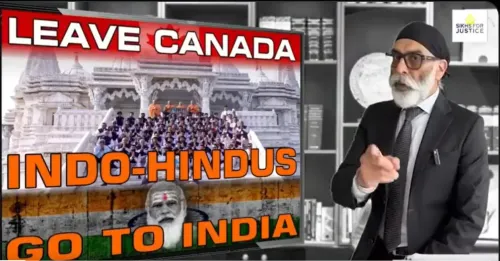
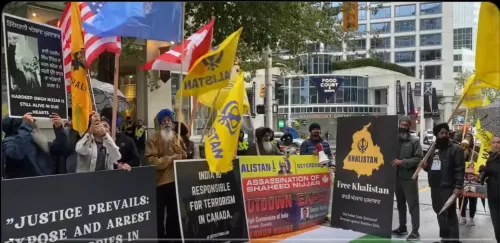
Tel Aviv, Nov 27 (NationPress) While the extremist group Sikhs for Justice drew several thousand participants to its referendum for a sovereign Sikh homeland in Ottawa, such numbers do not mask the urgent truth that democracies need to safeguard citizens from not only extremism but also from the more subtle, systemic abuses that incessantly ruin lives, according to a report released on Thursday.
The report underscored that this situation requires immediate action from Western governments—disassembling the fraud networks linked to Canada’s Labour Market Impact Assessment (LMIA), enhancing regulations in the trucking sector, and targeting the financial systems that support radical groups.
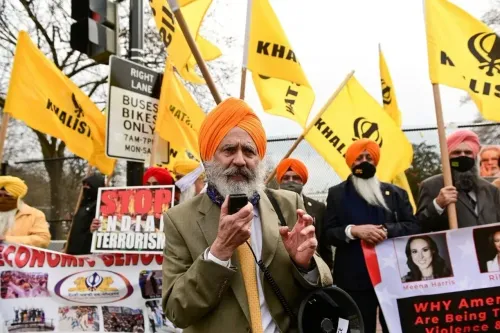
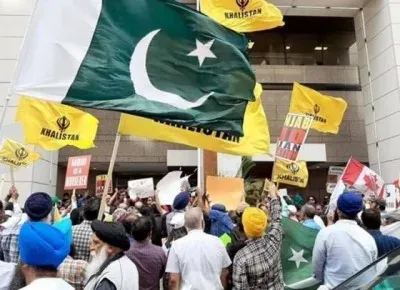
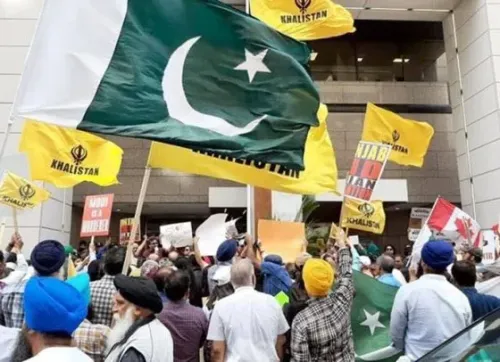
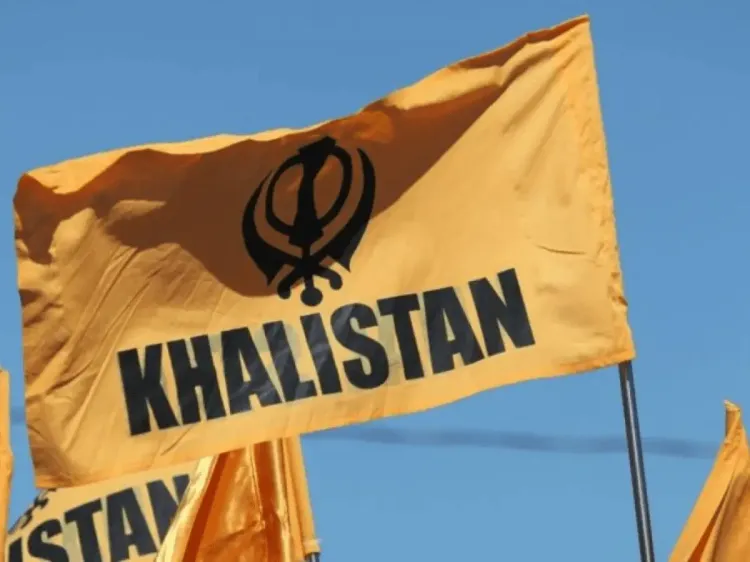
“Organizers from Sikhs for Justice claimed over 53,000 participants from across Canada in their unofficial vote, which posed a simple yes/no query on establishing a sovereign Sikh homeland. Attendees waved Khalistan flags, shouted slogans, and celebrated the turnout as a strong message, even though the ballot lacks any legal authority within Canada or India,” wrote Zahack Tanvir, founder and editor of UK-based media outlet The Milli Chronicle, in the ‘Times of Israel’.
The event, which faced criticism for inciting chants and flag desecration, was labeled as “farcical” by India’s High Commissioner to Canada. It coincided with Canadian Prime Minister Mark Carney’s G20 meeting with PM Narendra Modi in Johannesburg, emphasizing the strengthening ties between Canada and India.
“The referendum—organized by a separatist group long accused of promoting a divisive and often incendiary agenda—has once again highlighted the extent to which the Khalistan movement has evolved into a geopolitical challenge. It is no longer just a simple advocacy campaign driven by the diaspora; its current operation in North America has become increasingly complex and concerning,” Tanvir elaborated.
Referring to American scholar and political scientist Allen Hampton, the report pointed out that in his widely referenced investigation for The Milli Chronicle titled 'Khalistan Expose: Inside the Web of Fake Jobs, LMIA Fraud, and Trucking Scams', he contended that what appears to be political mobilization actually conceals a vast and exploitative underground economy.
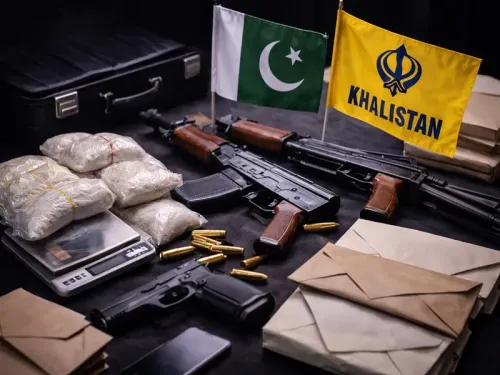
According to Hampton, the “Khalistani ecosystem in North America” has expanded “far beyond the usual realm of protests, slogans, or political signals,” functioning as a “fully developed system reliant on immigration fraud, bogus job offers, manipulated legal routes, drug-related revenue streams, and trucking crimes.”
The report emphasized that the LMIA program, initially designed as a regulatory protection to ensure that foreign workers addressed real labor shortages, has turned into a profitable path for exploitation. Hampton noted that LMIA-based placements are now a fundamental tool for Khalistan-related immigration consultancies in recruiting migrants.
“The tragedy of this ecosystem is multifaceted. It preys on the aspirations of youth in Punjab, transforming hope into debt. It weaponizes the diasporic identity, converting gurdwaras and community organizations into recruitment centers. It jeopardizes public safety through untrained drivers and criminal supply chains. Moreover, it utilizes the discourse of human rights to disguise a machinery that thrives on illegality and radicalization,” the report concluded.
Point of View
It is imperative to recognize the multifaceted nature of the Khalistan issue. While the mobilization of communities is a significant aspect, it is crucial to remain vigilant against exploitation and extremism. Our focus must be on fostering dialogue while safeguarding the values of democracy and community safety.
NationPress
20 Sept 2026
Frequently Asked Questions
What is the Khalistan movement?
The Khalistan movement seeks to create an independent Sikh state in the Punjab region of India, advocating for self-determination for Sikhs.
What is the significance of the Sikhs for Justice referendum?
The referendum organized by Sikhs for Justice aimed to gauge support for the creation of a sovereign Sikh homeland, although it lacks legal standing in Canada or India.
How does LMIA fraud relate to the Khalistan movement?
The LMIA program, intended to fill genuine labor shortages, has been exploited by Khalistan-linked consultancies to recruit migrants through fraudulent means.
What are the risks associated with the Khalistani ecosystem?
The Khalistani ecosystem poses risks such as exploitation of vulnerable youth, public safety concerns from untrained drivers, and the use of community institutions for recruitment.
What actions can be taken against these issues?
Western governments need to dismantle fraud chains, tighten industry regulations, and target financial networks supporting radical organizations.