Khalistan activities damaging global Sikh image, warns report
Synopsis
A Khalsa Vox report warns that Khalistan-linked extremism — from embassy protests to inflammatory statements in Canada, the UK, the US, and Australia — is blurring the global distinction between Sikhism and separatist ideology, leaving a peace-loving community of over 25 million bearing the reputational cost of a fringe few.
Key Takeaways
A Khalsa Vox report warns that Khalistan-linked activities have progressively damaged the global image of the Sikh community .
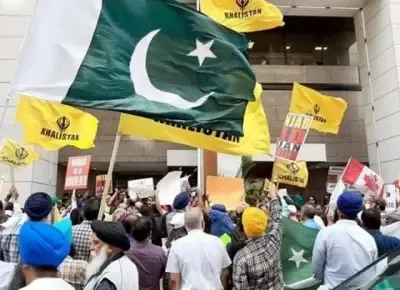
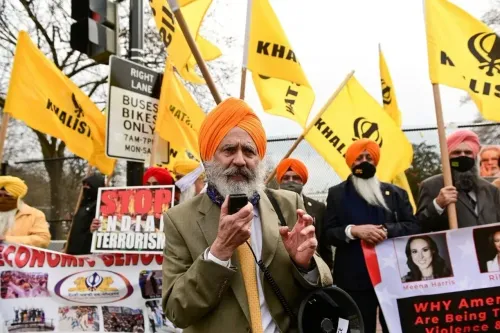
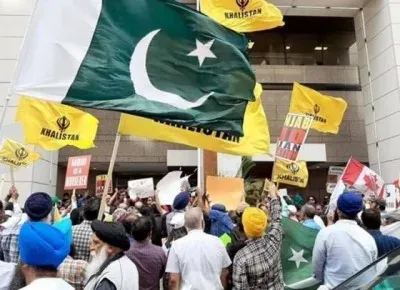
Incidents have been reported in Canada , Britain , the United States , and Australia , including protests outside Indian embassies and near Gurudwaras.
The report flags a growing global inability to distinguish between Sikhism as a faith and Khalistani ideology as a political movement.
It calls on Gurudwaras and Sikh institutions to prevent religious platforms from being used to spread extremism.
The report urges greater global recognition for peaceful, patriotic Sikhs to counter the narrative set by separatist fringe elements.
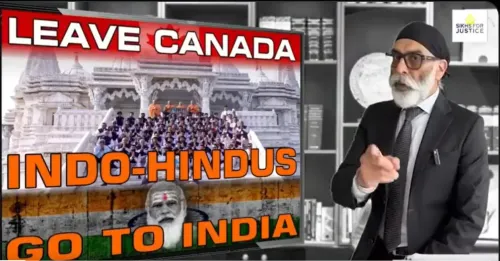
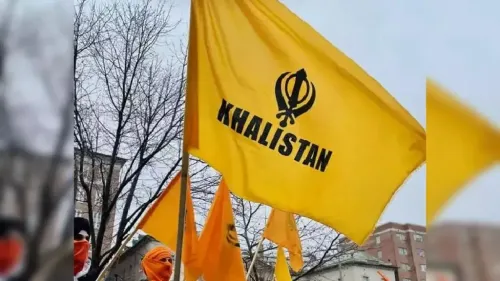
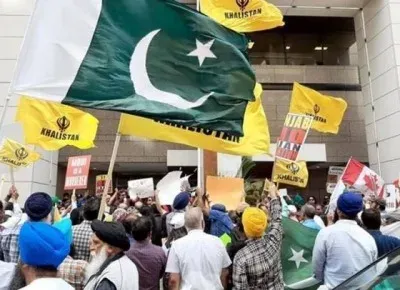
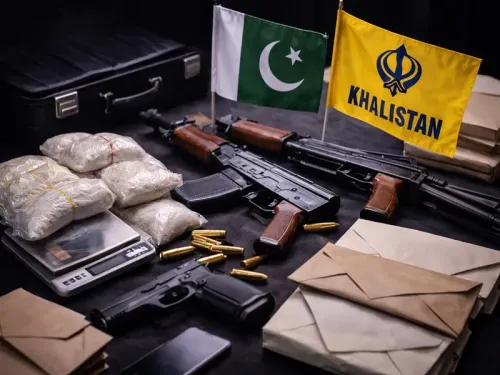
Khalistan-linked extremist activities have progressively eroded the positive global standing of the Sikh community, according to a report by Khalsa Vox. Violent demonstrations, anti-India slogans, aggressive protests outside religious sites, and organised separatist campaigns by fringe elements have fuelled widespread controversy across multiple countries in recent years.
Key Incidents and Countries Affected
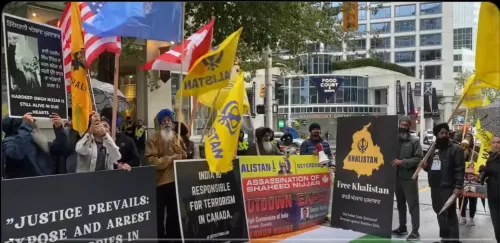
Several episodes have come to light in Canada, Britain, the United States, and Australia, where Khalistan-supporting groups allegedly sought to promote extremism under the guise of democratic freedoms, the report noted. Protests outside Indian embassies, acts of disrespect towards national symbols, tense standoffs near temples and Gurudwaras, and inflammatory statements inciting violence have, according to the report, damaged both India's diplomatic image and the reputation of Sikhs worldwide.
The Identity Crisis Facing the Sikh Community
The report underlined what it described as the most troubling dimension of the issue: a growing inability among people globally to distinguish between Sikhism as a faith and Khalistani ideology as a political movement. 'Due to the activities of a few extremist organisations, there is a growing tendency to view the entire Sikh community with suspicion, whereas the reality is that the majority of Sikhs believe in peace, brotherhood, and patriotism,' the report stated.
It further noted that Sikhs have historically contributed to India's armed forces, judiciary, politics, industry, and social service — a legacy the report argued is being overshadowed by the conduct of a small separatist fringe. The teachings of the Sikh Gurus, it emphasised, categorically reject all forms of extremism and hatred.
What the Report Recommends
The report called on Sikhs around the world to publicly distance themselves from extremist elements. It specifically urged Gurudwaras and Sikh institutions to ensure that religious platforms are not weaponised to spread hatred or political extremism. On youth engagement, it recommended steering young Sikhs away from provocative historical narratives and towards education, community service, leadership, and nation-building.
'The Sikh community has always been a strong pillar of nation-building and social harmony. It is important that the voices of peaceful and patriotic Sikhs receive greater recognition so that the true identity and core values of Sikhism can be presented before the world,' the report stated.
Broader Context
This comes amid heightened diplomatic tensions between India and Canada over alleged state tolerance of Khalistan-linked activities on Canadian soil — a dispute that has periodically strained bilateral ties. Notably, mainstream Sikh organisations in several countries have themselves condemned extremist rhetoric, signalling an internal reckoning within the diaspora. The report's findings add to a growing body of community voices arguing that separatist fringe groups are doing lasting reputational damage to a faith community of over 25 million people worldwide.
Point of View
But it sidesteps a harder question: why have mainstream Sikh institutions in diaspora hubs like Canada and the UK struggled to marginalise these elements? The India-Canada diplomatic fallout has given Khalistan-linked groups disproportionate visibility, and the absence of a coordinated, credible counter-narrative from within the community has allowed that visibility to calcify into perception. Calls for Gurudwaras to self-police are necessary but insufficient without structural accountability. The reputational damage is real; the remedies proposed remain aspirational.
NationPress
28 Oct 2026
Frequently Asked Questions
How are Khalistan-linked activities affecting the Sikh community's global image?
According to a Khalsa Vox report, violent demonstrations, anti-India slogans, and separatist campaigns by extremist elements have fuelled a growing global tendency to conflate Sikhism with Khalistani ideology. This has left the broader Sikh community — the vast majority of whom espouse peace and patriotism — facing unwarranted suspicion worldwide.
Which countries have seen Khalistan-linked incidents?
The report cites incidents in Canada, Britain, the United States, and Australia, where Khalistan-supporting groups allegedly promoted extremism under the cover of democratic freedoms. Protests outside Indian embassies and near Gurudwaras have been among the most visible flashpoints.
What does the report recommend to address this issue?
The report urges Sikhs globally to publicly distance themselves from extremist elements and calls on Gurudwaras and Sikh institutions to prevent religious platforms from being used for political extremism. It also recommends guiding young Sikhs toward education, community service, and nation-building rather than divisive historical narratives.
Does Sikhism as a religion support Khalistan extremism?
No. The report explicitly states that the teachings of the Sikh Gurus reject all forms of extremism and hatred. It stresses that the separatist fringe represents a small minority and does not reflect the values of the global Sikh community.
Why is the confusion between Sikhism and Khalistani ideology considered particularly damaging?
Because Sikhism is one of the world's most respected religions, with over 25 million adherents globally who have made significant contributions to India's armed forces, judiciary, politics, and social service. The report argues that allowing a separatist fringe to define the community's global identity risks erasing this positive legacy.