Khalistan movement a liability, not a cause, for most Sikhs: Report
Synopsis
A new report argues that Khalistani extremism is not a Sikh cause — it is a liability that isolates the community, fuels global suspicion, and benefits a fringe linked in some cases to organised crime. With fewer than 5% of Canadian Sikhs reportedly endorsing it, the movement's loudest voices are increasingly seen as speaking for no one but themselves.
Key Takeaways
A report in Khalsa Vox states that the Khalistan movement is viewed as a liability by the overwhelming majority of Sikhs in India and the diaspora.
Former British Columbia premier Ujjal Dosanjh has stated that fewer than 5 per cent of Canadian Sikhs endorse the Khalistan agenda.
Documentary Finding Khalistan by journalist Daniel Bordman traces the movement from post-Partition bloodshed and the 1980s Punjab insurgency to present-day diaspora echo chambers.
The report links some Khalistani networks to drug and gang financing, and cites the Air India bombing as part of the movement's violent legacy.
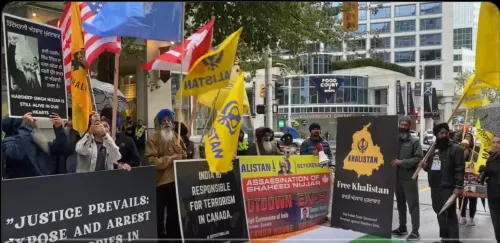
The Brampton Sabha Mandir attack — in which pro-Khalistan radicals assaulted devotees at a consular camp — was a key catalyst for the two-year investigation.
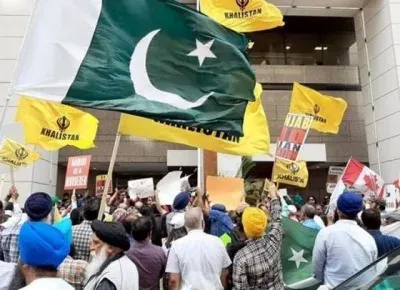
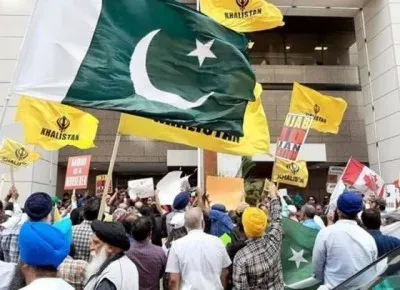
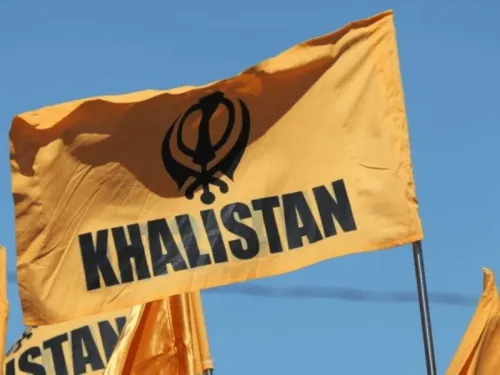
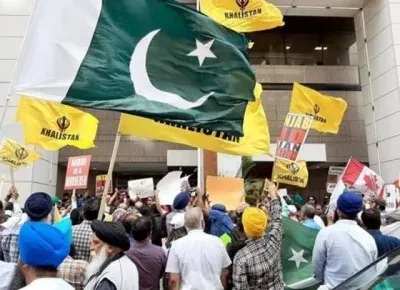
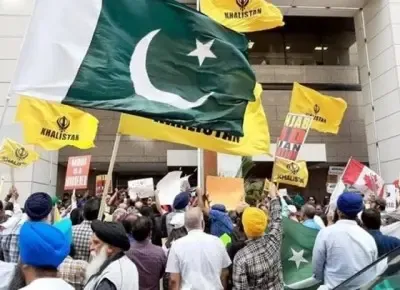
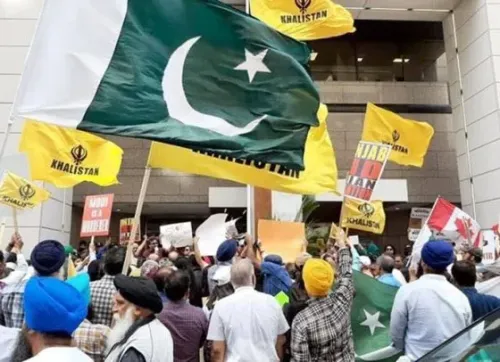
The continued promotion of Khalistani extremism in Western capitals undermines Sikh interests, isolates the community, fuels suspicion, and diverts attention from pressing challenges — including integration, youth radicalisation, and drug and gang networks that some findings have linked to separatist financing, according to a new report. The findings arrive amid renewed scrutiny of pro-Khalistan activity in Canada and other diaspora hubs.
Background: A Documentary Two Years in the Making
Two years after pro-Khalistan radicals attacked devotees with sticks and flagpoles during a consular camp at Sabha Mandir in Brampton, Canada, journalist Daniel Bordman found himself unexpectedly at the centre of the story. The way Canadian broadcaster CBC framed the violence — reportedly centering it around Bordman rather than the attack itself — prompted a two-year global investigation. The result was Finding Khalistan, a documentary that traces the movement's trajectory from the bloodshed following Partition and the 1980s insurgency in Punjab to its present-day echo chambers in the West, according to a report in Khalsa Vox.
What the Report Says About the Movement
The report quoted from the documentary's framing in stark terms: 'Khalistan is not a legitimate expression of Sikh aspiration. It is a political project that has repeatedly turned violent, that has been sustained by external patrons, and that stands in direct contradiction to the core teachings of the Gurus.' It invoked Guru Nanak's rejection of religious bigotry and the Guru Granth Sahib's emphasis on the oneness of humanity — citing the phrase 'Na koi bairi nahin begana' — to argue that modern Khalistani activism bears no resemblance to the spiritual and ethical inheritance of the Khalsa. The Khalistan movement has already exacted a devastating human cost, the report noted, citing the Air India bombing and years of militancy and bloodshed in Punjab.
Sikh Community Largely Opposed, Data Suggests
According to the report, the Khalistan movement is regarded as a liability rather than a cause by the overwhelming majority of Sikhs — both in India and across the diaspora. In Punjab, it has negligible electoral support. In Canada, former British Columbia premier Ujjal Dosanjh has repeatedly stated that fewer than 5 per cent of Canadian Sikhs endorse the separatist agenda. Most, the report says, simply want to work, raise families, and practise their faith without being associated with the movement.
The Reputational Cost to Ordinary Sikhs
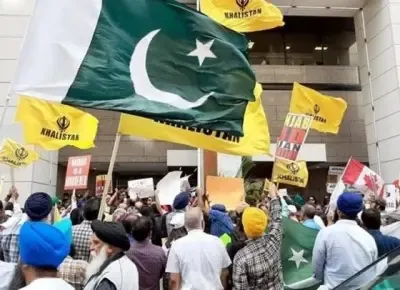
The report argued that a vocal minority has succeeded in equating 'Sikh' with 'Khalistani' in the public mind — what it described as a 'global reputational tax' paid by ordinary Sikhs. Truck drivers, entrepreneurs, soldiers, and professionals whose community is known for seva and prosperity now find their identity co-opted by those who, in the report's words, 'traffic in grievance and, in some cases, organised crime.' This comes amid broader international concern about Khalistani extremism influencing diaspora politics in the United Kingdom, United States, and Australia, not just Canada.
What This Means Going Forward
The report's central argument is that allowing Khalistani extremism to operate freely in Western democracies does not protect Sikh rights — it actively harms them by stoking suspicion and enabling a fringe to dominate the community's global image. Notably, the findings come at a time of heightened India-Canada diplomatic tensions, where the Khalistan issue has been a significant flashpoint. How Western governments respond to the documented links between some Khalistani groups and organised crime networks may shape the policy environment for diaspora Sikh communities for years to come.
Point of View
Not Sikh support. Fewer than 5% of Canadian Sikhs reportedly back it, yet it has successfully colonised the community's public identity. That asymmetry — a fringe with outsized geopolitical leverage — is the real story, and it implicates the governments that have tolerated temple attacks and terrorist glorification in the name of free expression. The India-Canada diplomatic rupture has made this harder to address honestly; both sides have used the Khalistan issue as a proxy for broader bilateral grievances. What gets lost is the Sikh majority that wants nothing to do with it.
NationPress
19 Oct 2026
Frequently Asked Questions
What does the report say about the Khalistan movement and Sikhs?
The report states that the Khalistan movement is regarded as a liability — not a cause — by the overwhelming majority of Sikhs, both in India and across the diaspora. It argues that Khalistani extremism undermines Sikh interests, fuels suspicion, and diverts attention from real community challenges like integration and youth radicalisation.
What is the 'Finding Khalistan' documentary?
'Finding Khalistan' is a documentary by Canadian journalist Daniel Bordman, produced after a two-year global investigation sparked by the 2022 pro-Khalistan attack on devotees at Sabha Mandir in Brampton, Canada. It traces the Khalistan movement from post-Partition violence and the 1980s Punjab insurgency to its current presence in Western diaspora communities.
What percentage of Canadian Sikhs support the Khalistan movement?
According to the report, former British Columbia premier Ujjal Dosanjh has repeatedly stated that fewer than 5 per cent of Canadian Sikhs endorse the Khalistan separatist agenda. Most Canadian Sikhs, the report says, want to work, raise families, and practise their faith without being associated with the movement.
What violent incidents are linked to the Khalistan movement in the report?
The report cites the Air India bombing and years of militancy and bloodshed in Punjab as part of the movement's devastating human cost. It also references the Brampton Sabha Mandir attack in Canada, where pro-Khalistan radicals assaulted Sikh devotees with sticks and flagpoles during a consular camp.
Why does the report say Khalistani activism harms ordinary Sikhs?
The report argues that a vocal Khalistani minority has successfully equated 'Sikh' with 'Khalistani' in the global public mind, imposing what it calls a 'reputational tax' on ordinary Sikhs — truck drivers, entrepreneurs, soldiers, and professionals. Some Khalistani networks have also been linked to organised crime and separatist financing, further damaging the community's standing.