Pro-Khalistan groups exploit 1984 events to radicalise youth, push separatist agenda: Report
Synopsis
A Khalsa Vox report released on 11 June 2026 exposes how pro-Khalistan groups, including the BKI, are exploiting the memory of June 1984 to push armed-struggle ideology onto Sikh youth — while a 50-foot tableau in Brampton glorified Indira Gandhi's assassination. The report argues the movement is fractured, leaderless, and without a credible roadmap, yet remains a live security and diplomatic flashpoint.
Key Takeaways
A Khalsa Vox report dated 11 June 2026 found that pro-Khalistan groups are systematically exploiting June 1984 events to radicalise Sikh youth.
Babbar Khalsa International (BKI) openly claimed that Khalistan can only be achieved through armed struggle , according to the report.
A 50-foot moving tableau in Brampton, Canada on 7 June 2026 reportedly glorified the assassination of former PM Indira Gandhi , linked to the banned Sikhs for Justice (SFJ) .
SFJ was designated a terrorist organisation and banned by India in 2019 but continues to operate freely in Canada.
The report says the Khalistan movement is fractured , with competing factions disagreeing on electoral versus armed approaches.
Khalsa Vox urges the Sikh community to focus on education, employment, drug abuse, and agricultural distress rather than separatism.
Pro-Khalistan organisations are systematically exploiting the events of June 1984 to radicalise Sikh youth, spread communal hatred, and advance their own separatist political agendas, according to a report by Khalsa Vox. The Babbar Khalsa International (BKI), through a recent statement, has drawn fresh scrutiny for openly advocating armed struggle as the sole path to achieving Khalistan.
BKI Statement and the Fractures Within the Movement
The BKI statement, analysed in the Khalsa Vox report, contained overt anti-India rhetoric and an explicit claim that Khalistan can only be achieved through armed struggle — a position the report describes as contrary to democratic values, the rule of law, and the fundamental teachings of Sikhism itself.
Notably, the statement also laid bare deep divisions within the pro-Khalistan camp. On one side, certain organisations advocate electoral politics, referendums, and political campaigns; on the other, groups like BKI reject these methods entirely. According to the report, 'This clearly indicates that the Khalistan movement is not a unified ideology but rather a collection of competing factions engaged in a struggle for influence and leadership.'
The report argues that these groups lack any credible roadmap — no economic plan, administrative framework, or meaningful international support — yet continue to exploit historical grievances to push young Sikhs toward extremist thinking.
Brampton Parade: Glorification of Violence on Canadian Soil
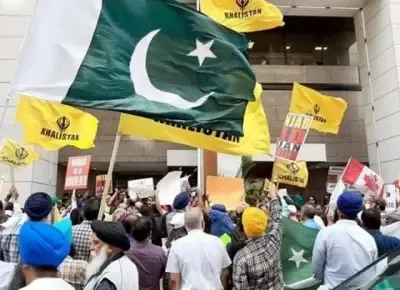
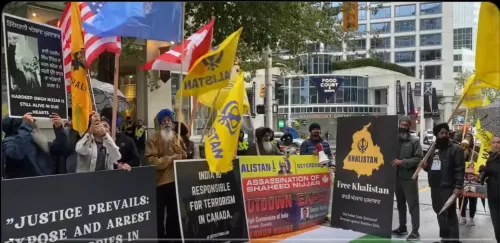
A separate Khalsa Vox report published earlier this week flagged a widely circulated video from Brampton, Canada, depicting what it called 'a brazen display of extremism.' On Sunday, 7 June 2026, during events marking the anniversary of Operation Blue Star (1984), a massive 50-foot moving tableau — reportedly linked to the Sikhs for Justice (SFJ) and associated groups — openly glorified the assassination of former Prime Minister Indira Gandhi.
The tableau depicted the graphic scene of Indira Gandhi being shot by her Sikh bodyguards, Beant Singh and Satwant Singh, on 31 October 1984. A separate life-size figure targeted Lt Gen. Kuldip Singh Brar — who led Operation Blue Star to flush out militants from the Golden Temple in Amritsar — with a bullseye on his forehead. Banners at the event reportedly screamed 'Revenge' for the military action against Jarnail Singh Bhindranwale and his armed followers.
Brampton as a Hub for Khalistani Processions
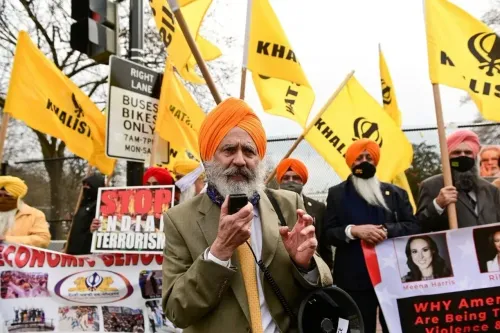
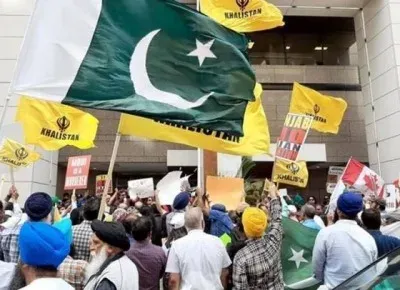
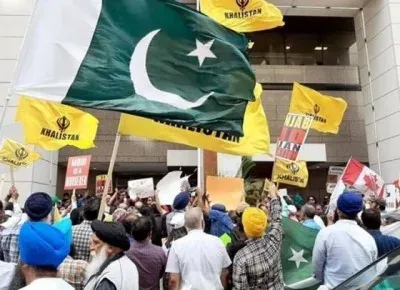
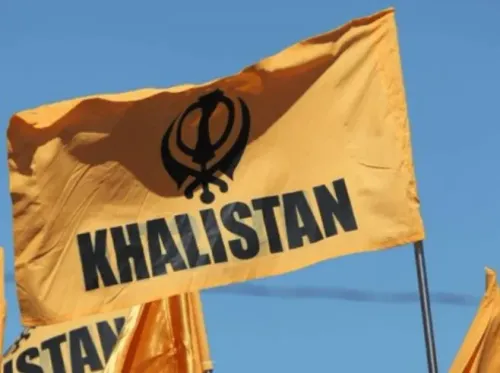
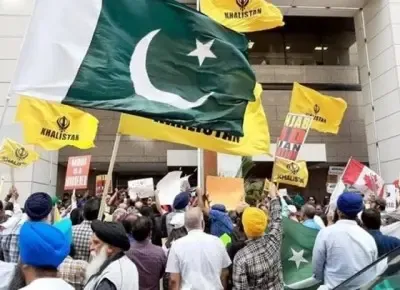
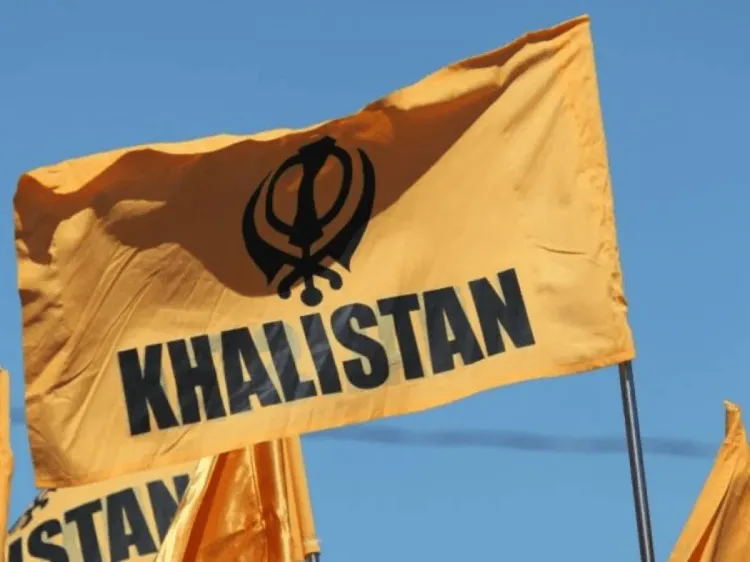
The report noted that this is not an isolated incident. Brampton, home to a large Punjabi diaspora, has increasingly become a focal point for such processions. A 5-km-long parade featured Khalistani flags, glorification of violence, and open calls echoing separatist ideology.
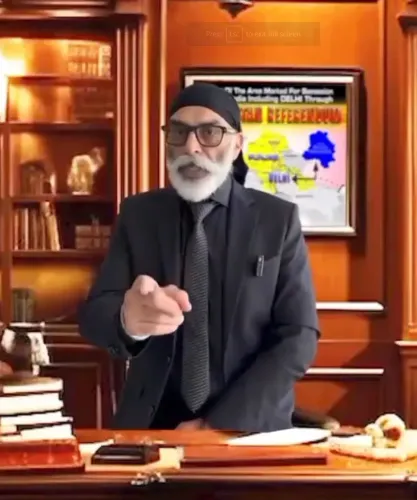
SFJ, designated a terrorist organisation and banned by India in 2019 for activities prejudicial to national security, continues to operate freely in Canada, pushing its so-called 'Khalistan Referendum' campaign. The report argued that freedom of expression cannot be used to justify the glorification of terrorism, and that Canada must act decisively to curb hate parades and place the rule of law above electoral considerations.
What the Sikh Community Is Being Urged to Recognise
The Khalsa Vox report contended that the real challenges facing the Sikh community — education, employment, drug abuse, agricultural distress, social reform, and youth empowerment — have no solution in separatism. The report called for democratic participation, social unity, and constructive leadership as the genuine path forward.
With pro-Khalistan groups showing no signs of moderating their messaging, pressure is likely to mount on both Indian and Canadian authorities to address the transnational dimensions of Khalistani extremism more decisively.
Point of View
But its timing, ahead of Operation Blue Star anniversaries, signals a deliberate effort to keep grievance politics alive in the diaspora. The Brampton tableau incident underscores a structural problem: Canada's reluctance to act against SFJ-linked events, reportedly shaped by domestic electoral calculus in Punjabi-diaspora constituencies, continues to strain India-Canada bilateral ties. The deeper issue is that the Khalistan movement's internal fractures — armed versus electoral factions — make it harder, not easier, to negotiate with or contain, because no single leadership can be held accountable.
NationPress
26 Oct 2026
Frequently Asked Questions
What did the Khalsa Vox report say about pro-Khalistan groups?
The Khalsa Vox report, published on 11 June 2026, found that pro-Khalistan organisations are exploiting the events of June 1984 to radicalise Sikh youth and push separatist agendas. It specifically highlighted a BKI statement that openly advocated armed struggle as the only path to Khalistan.
What happened at the Brampton parade on 7 June 2026?
A 50-foot moving tableau in Brampton, Canada, reportedly linked to the banned Sikhs for Justice (SFJ), depicted the assassination of former Prime Minister Indira Gandhi during events marking the Operation Blue Star anniversary. Banners at the 5-km-long parade called for 'Revenge' and featured Khalistani flags and glorification of violence.
Who is Sikhs for Justice (SFJ) and why is it banned?
Sikhs for Justice is a pro-Khalistan organisation designated a terrorist group and banned by India in 2019 for activities prejudicial to national security. It continues to operate in Canada, running a so-called 'Khalistan Referendum' campaign.
Is the Khalistan movement a unified force?
According to the Khalsa Vox report, the Khalistan movement is not a unified ideology but a collection of competing factions. Some groups advocate electoral politics and referendums, while others like BKI insist that violence is the only path forward.
What does the report say the Sikh community should focus on instead?
The report argues that the real challenges for the Sikh community are education, employment, drug abuse, agricultural distress, social reform, and youth empowerment. It calls for democratic participation and constructive leadership rather than separatism as the path to addressing these issues.