Pro-Khalistan disruption in London betrays core Sikh values, says op-ed
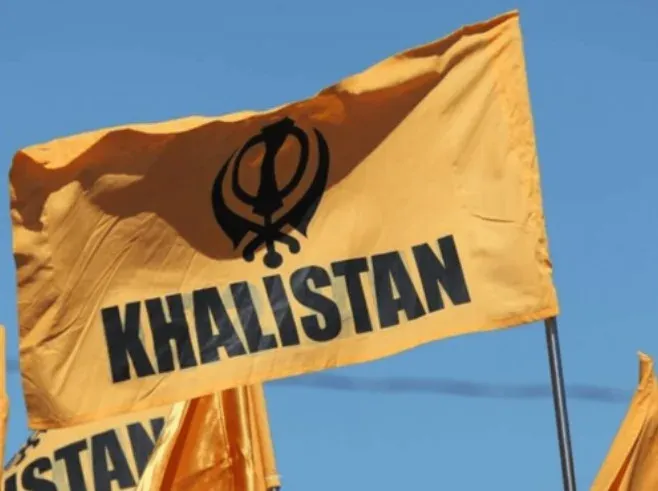
Synopsis
A pro-Khalistan disruption at an Indian High Commission event in London has prompted a pointed rebuttal from within the Sikh community itself — with a Khalsa Vox op-ed arguing that intimidation and spectacle are not just counterproductive, they are fundamentally at odds with five centuries of Sikh teaching on courage, service, and righteous resistance.
Key Takeaways
Pro-Khalistan activists disrupted an Indian High Commission outreach event in London , forcing police intervention.
An opinion piece by Harleen Kaur in Khalsa Vox condemned the incident as a betrayal of core Sikh values .
The author argued that Sikhs have built global respect through service and compassion — not sloganeering or disruption.
Harleen Kaur maintained that pro-Khalistan advocates are free to use democratic and peaceful means , but intimidation ‘ceases to be advocacy.’ Such incidents risk alienating ordinary people , reinforcing negative perceptions, and undermining meaningful dialogue on the issue.
An opinion piece published in Khalsa Vox has argued that the recent incident in which pro-Khalistan activists forced their way into an Indian High Commission outreach event in London, shouting slogans and compelling police intervention, stands in direct contradiction to the foundational principles of Sikhism — a faith with over five centuries of history. The piece, authored by Harleen Kaur, draws a sharp line between legitimate political advocacy and disruptive provocation.
What Happened in London
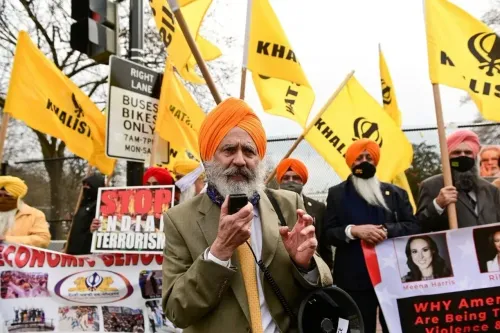
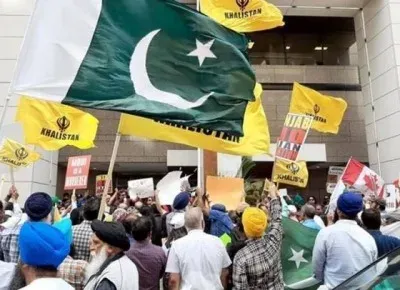
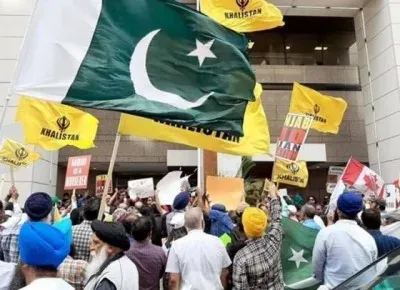
Pro-Khalistan activists reportedly barged into the Indian High Commission's outreach event in London, raising slogans and creating a disturbance that required police to be called in. The incident drew sharp criticism, with observers noting the contrast between the disruption and the values the Sikh community has long represented on the global stage.
Sikhism's Legacy of Service, Not Spectacle
Harleen Kaur argued in her piece that the global reputation of Sikhs has been built on courage and compassion — expressed through community kitchens known as 'langars', disaster relief operations, defence of the vulnerable, and disproportionate contributions to public service across nations. “They do not gain legitimacy by disrupting civic services, intimidating attendees, or desecrating national symbols,” she wrote, referring to political movements more broadly. This legacy, she contended, is tarnished when a small group chooses provocation over principle.
Democratic Means vs. Intimidation
The author did not question the right to advocate for any cause, but drew a firm distinction on method. “If the proponents of Khalistan genuinely believe in their cause, they are free to advocate for it through democratic means, public debate, scholarship, political engagement, and peaceful persuasion. That is how legitimate movements operate in democratic societies. But when activism descends into intimidation, vandalism, and disruption, it ceases to be advocacy and becomes mere spectacle,” Harleen Kaur wrote.
She described the London incident as “a tragedy”, arguing that such disruptions do not strengthen the cause these activists claim to champion — “they weaken it.” The fallout, she said, includes alienation of ordinary people, reinforcement of negative perceptions, and a distraction from meaningful dialogue.
Departure from Sikh Guru Teachings
Harleen Kaur placed the activists' conduct against the backdrop of Sikh Guru teachings — which she described as championing “courage guided by wisdom, conviction tempered by humility, and resistance rooted in righteousness.” The disruptions, she maintained, represent a departure from these timeless principles, replacing conversation with confrontation. This comes amid a broader international debate over the tactics employed by fringe pro-Khalistan groups and their impact on the wider Sikh diaspora's standing in countries such as the United Kingdom, Canada, and Australia.
Wider Implications
Notably, incidents of this nature have drawn increasing scrutiny from both host governments and mainstream Sikh community organisations, many of which have distanced themselves from such tactics. The episode in London is unlikely to be an isolated flashpoint; how the broader Sikh diaspora responds — and how governments engage with community leaders — will shape the trajectory of this debate in the months ahead.
Point of View
But where it appeared — Khalsa Vox is a platform within the Sikh community, making this an internal critique, not an external one. That distinction matters enormously. Fringe pro-Khalistan tactics have long drawn condemnation from Indian officials and Western governments, but criticism from within the community carries a different moral weight. The harder question mainstream coverage tends to avoid is this: how representative are these activists of the broader Sikh diaspora, and are governments engaging with the right community voices when shaping policy responses? The London incident is a symptom; the absence of credible intra-community dialogue is the underlying condition.
NationPress
24 Oct 2026
Frequently Asked Questions
What happened at the Indian High Commission event in London?
Pro-Khalistan activists reportedly barged into an Indian High Commission outreach event in London, shouting slogans and causing a disturbance that required police to intervene. The incident drew widespread criticism, including from within the Sikh community itself.
Why does the op-ed say the pro-Khalistan disruption goes against Sikhism?
Author Harleen Kaur argued in Khalsa Vox that Sikhism's five-century legacy is built on service, courage, and compassion — not intimidation or spectacle. She contended that the Sikh Gurus taught 'courage guided by wisdom' and 'resistance rooted in righteousness,' values she says the activists' conduct directly contradicts.
Does the article say pro-Khalistan advocacy itself is wrong?
No. Harleen Kaur explicitly stated that Khalistan proponents are free to advocate through 'democratic means, public debate, scholarship, political engagement, and peaceful persuasion.' Her criticism is directed specifically at tactics involving intimidation, vandalism, and disruption.
What impact do such incidents have on the Sikh community, according to the piece?
According to Harleen Kaur, such disruptions alienate ordinary people, reinforce negative perceptions of the community, and distract from meaningful dialogue. She described the London incident as 'a tragedy' that weakens rather than strengthens the cause the activists claim to represent.
Where was the opinion piece published?
The opinion piece was authored by Harleen Kaur and published in Khalsa Vox, a platform associated with the Sikh community. Its significance lies in the fact that it represents criticism from within the community rather than from external political or governmental sources.