Pro-Khalistan groups using children in campaigns, security agencies warn
Synopsis
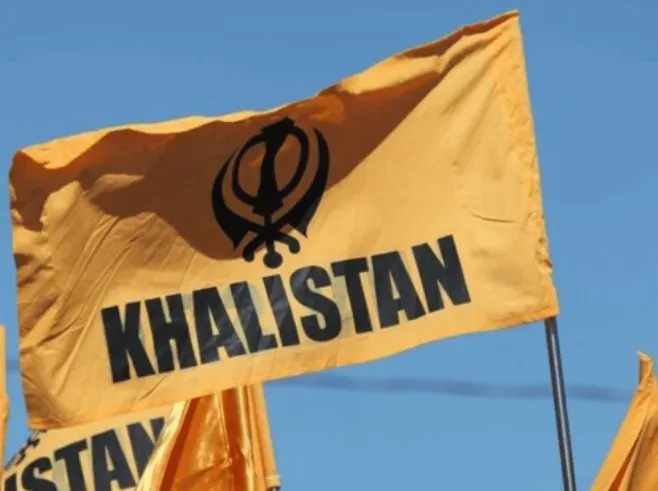
Indian security agencies have identified a deliberate shift in pro-Khalistan tactics: deploying children as young as six in overseas protests and cultural events to evade law enforcement and seed the next generation of the movement. A Nagar Kirtan procession in Canada on 7 June — where young girls reportedly wore outfits resembling suicide vests and children beat a Modi cutout — has become the clearest example of a pattern officials say mirrors ISI radicalisation methods.
Key Takeaways
Indian security agencies have flagged the deliberate use of children by pro-Khalistan elements in protests and cultural events as a strategic shift.
A Nagar Kirtan procession in Canada on 7 June featured girls aged 6–10 reportedly in outfits resembling suicide vests, alongside anti-India imagery.
Officials allege the tactic serves to radicalise children early and use them as a shield against law enforcement action.
An Intelligence Bureau official alleged the strategy mirrors methods used by Pakistan's ISI , which the official claimed backs the Khalistan movement.
Agencies have warned of possible replication of these tactics in Punjab and called for heightened monitoring of religious and cultural events.
Indian security agencies have flagged a deliberate and growing use of children by pro-Khalistan elements in overseas protests and cultural events, describing it as a calculated strategic shift aimed at evading law enforcement scrutiny and radicalising the next generation. The pattern has emerged as a significant concern for authorities in New Delhi.
The Canada Procession That Raised Alarms
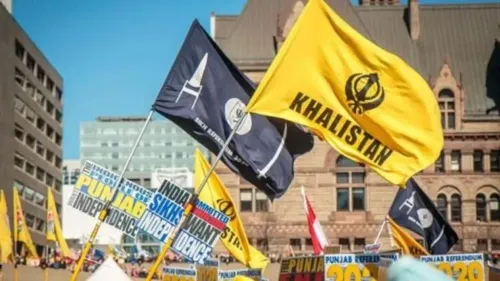
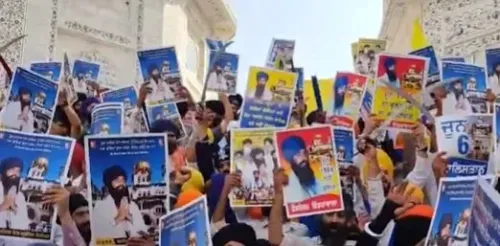
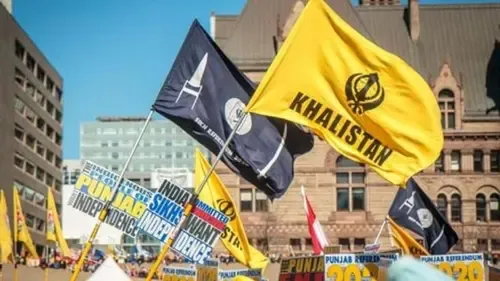
The immediate trigger was a Nagar Kirtan procession held in Canada on 7 June, which drew close attention from Indian intelligence. According to officials, girls estimated to be between six and ten years of age were seen wearing outfits reportedly resembling suicide vests. The procession's central theme was described as revenge for Operation Bluster.
The event also featured a tableau depicting the shooting of former Prime Minister Indira Gandhi, posters of Prime Minister Narendra Modi bearing the caption 'most wanted', and children being encouraged to beat a cutout of the Prime Minister after removing their shoes. The Indian Tricolour was allegedly insulted during the event, with a national flag tied to a vehicle and dragged along the road, according to officials.
Why Agencies Say Children Are Being Deployed
An Intelligence Bureau official said the use of minors in such demonstrations serves multiple strategic purposes for extremist groups. 'It is a deliberate strategy aimed at evading scrutiny and action by law enforcement agencies,' the official said.
According to the official, placing children at the forefront of any protest that turns violent forces law enforcement to prioritise the safety and removal of the minors before taking any action against adult demonstrators — effectively creating a human shield dynamic. 'The children are being encouraged to develop anti-India sentiments early in life so that, as they grow older, they become active participants and supporters of the Khalistan cause,' the official claimed.
Alleged ISI Link and Radicalisation Strategy
Officials alleged that the tactic mirrors methods attributed to Pakistan's Inter-Services Intelligence (ISI), which they claim recruits and radicalises young people across the border. 'The use of children and juveniles is a typical ISI strategy, and we all know that the Khalistanis are the puppets of the Pakistan spy agency,' one official said.
Security officials argued that individuals radicalised between the ages of 8 and 10 and subjected to sustained indoctrination until adulthood are, according to this assessment, more likely to become what officials described as 'hardened criminals.' Khalistani extremist elements are reportedly attempting to replicate this model, officials said.
Concerns Over Replication in Punjab
Indian agencies have warned that similar tactics could eventually be deployed within Punjab, framing it as part of a broader narrative-building strategy. Officials noted that pro-Khalistan groups have increasingly shifted away from the referendum campaigns they previously relied upon, partly because Canada and the United Kingdom are now working more closely with India on the issue.
'Disguising the Khalistan cause under the garb of religious and cultural events is a safe way of doing things,' an official said. Authorities have called for close monitoring of such events and the use of children as cover, particularly given what officials described as continued ISI pressure to revive the Khalistan movement in Punjab.
Point of View
Or whether the warning is primarily a narrative move ahead of a potential escalation.
NationPress
26 Oct 2026
Frequently Asked Questions
What did Indian security agencies flag about pro-Khalistan groups and children?
Indian security agencies have warned that pro-Khalistan elements are deliberately deploying children as young as six in overseas protests and cultural events, describing it as a calculated strategy to evade law enforcement scrutiny and radicalise the next generation. The concern intensified after a Nagar Kirtan procession in Canada on 7 June.
What happened at the Canada Nagar Kirtan procession on 7 June?
According to Indian officials, the procession featured girls aged between six and ten reportedly wearing outfits resembling suicide vests. The event also included a tableau of the shooting of former PM Indira Gandhi, 'most wanted' posters of PM Narendra Modi, children beating a Modi cutout, and the alleged dragging of the Indian Tricolour behind a vehicle.
Why do security agencies say children are being used in these events?
Officials say the tactic serves two purposes: it exposes children to pro-Khalistan ideology at a formative age to build long-term support for the movement, and it makes it harder for law enforcement to respond to protests that turn violent, as officers must first ensure the safety of minors before acting against adult demonstrators.
What is the alleged ISI connection to this tactic?
Indian officials have alleged that using children and juveniles for radicalisation is a known strategy of Pakistan's Inter-Services Intelligence (ISI), which they claim supports the Khalistan movement. Officials argued the tactic involves indoctrinating individuals from a young age so they become committed supporters of extremist causes by adulthood.
Could similar tactics be used in Punjab?
Indian security agencies have explicitly warned that the tactics observed in Canada could be replicated in Punjab as part of a broader strategy to shape narratives domestically. Officials have called for close monitoring of religious and cultural events in the state, particularly for signs of children being used as cover for pro-Khalistan messaging.