Has the ISI-Backed Khalistan Network Expanded to Milan and Injected Bangladesh into Its Propaganda?
Synopsis
A new poster in Milan signals the Khalistan movement's expansion into Italy, with ties to Bangladesh. This initiative, driven by pro-Khalistan groups and the ISI, raises concerns about increasing global influence and anti-India narratives. The situation highlights the evolving strategy of Khalistani elements in their quest for international support.
Key Takeaways
The Khalistan movement is expanding into new regions, including Milan.
Pro-Khalistani groups are intertwining their narratives with issues in Bangladesh.
Intelligence reports indicate ISI involvement in promoting anti-India sentiments.
Increased scrutiny on Khalistani activities is noted in various countries.
India must adopt strategic measures to counter these developments.
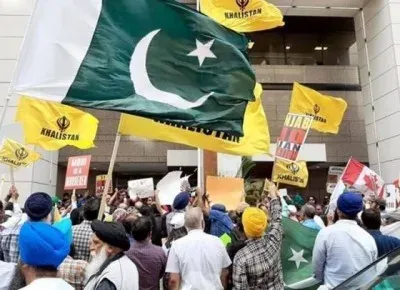
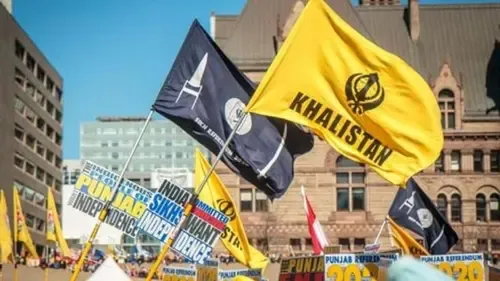
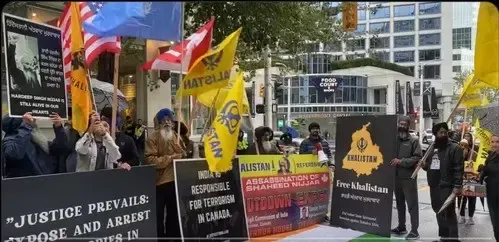
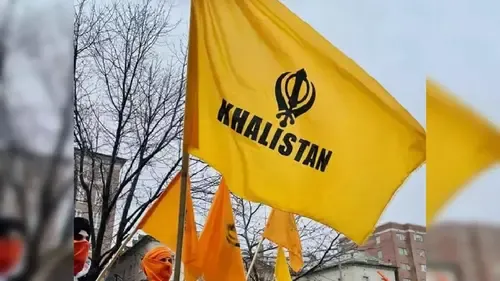
New Delhi, Jan 2 (NationPress) A poster is circulating in Milan, Italy, urging a lockdown by pro-Khalistan factions. Previously, awareness existed about Khalistani presence in Canada, the United Kingdom, Germany, and Australia, but this poster, highlighting protests in Italy, marks a significant shift.
Officials from the Intelligence Bureau have indicated that communications intercepted suggest Khalistani groups are intent on expanding their influence globally, aiming to amplify their messaging. This represents a concerted effort to project a transnational narrative about the Khalistan movement.
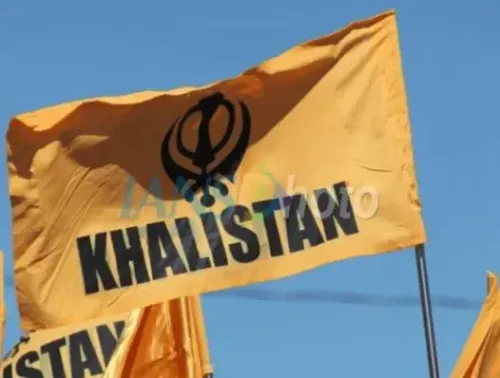
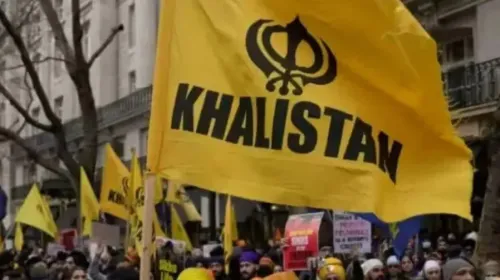
While the overarching message continues to advocate for the establishment of a distinct Khalistan nation derived from Punjab, the new poster also addresses the current scenario in Bangladesh. The protest, or lockdown, in Milan is being spearheaded by Jagroop Singh and Gurpal Singh, affiliates of the banned organization, Sikhs for Justice (SFJ). This group is at the forefront of the Khalistan movement's propaganda efforts, having orchestrated various referendums in Canada, the UK, and Australia.
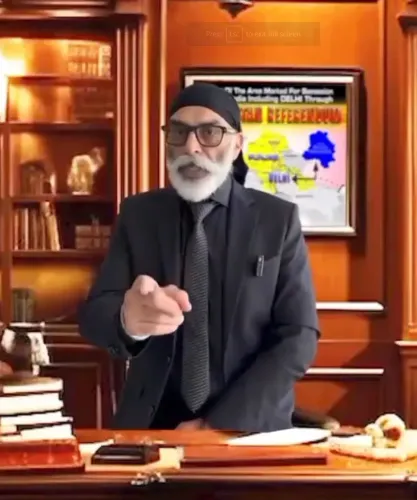
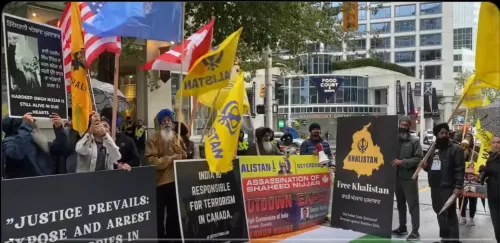
Led by Gurpatwant Singh Pannun, the SFJ has previously issued calls for the assassination of Prime Minister Narendra Modi and circulated videos depicting the desecration of the Indian flag. The protest's organizers have drawn parallels between the killing of terrorist Hardeep Singh Nijjar and the assassination of anti-India student leader Osman Hadi. Khalistani elements have accused Indian agencies of being responsible for Nijjar's murder in Canada.
Following Hadi's death, a narrative emerged blaming India for the incident. The connection made between these two cases by Khalistani groups indicates that they are following a script orchestrated by the ISI. These groups seek to capture international attention, alleging Indian interference in foreign affairs and extrajudicial killings.
An official from the Intelligence Bureau stated that these actions are evidently orchestrated by the ISI, asserting that both Nijjar and Hadi's murders were planned by the agency. Acknowledging that both individuals were anti-India, the ISI is now attempting to propagate the notion that India was behind both murders.
The upcoming event in Milan is yet to occur, but agencies are on high alert to thwart it. Indian officials note that this expansion into Milan underscores the Khalistan movement's ambitions for broader reach, indicating an evolving strategy.
The ISI-backed Khalistani factions recognize increasing scrutiny, especially in Canada and the UK, and are making strides into Australia while targeting Italy as well. Officials believe these elements will attempt to penetrate additional nations, engaging in a narrative war against India and seeking support from multiple countries.
Indian Intelligence agencies have reported a rise in propaganda materials circulating on social media. This marks the first instance of Khalistani factions highlighting the Bangladesh issue, driven by the ISI's agenda to tarnish India's image globally.
As elections approach in Bangladesh, further attempts are anticipated, with the ISI likely to utilize Khalistani elements more aggressively. The aim is to instill the perception among Bangladeshis that their challenges stem from India.
Point of View
It's crucial to recognize the complexities involved in the Khalistan movement's expansion. While the actions of pro-Khalistani elements raise serious concerns, it is essential to approach this issue with an unbiased perspective, understanding the broader geopolitical implications and the necessity for India to address these challenges with vigilance and strategic foresight.
NationPress
28 Sept 2026
Frequently Asked Questions
What is the Khalistan movement?
The Khalistan movement advocates for a separate Sikh state called Khalistan, primarily in the Punjab region of India.
Who is behind the recent protests in Milan?
The protests in Milan are organized by pro-Khalistan activists, specifically Jagroop Singh and Gurpal Singh, affiliated with Sikhs for Justice (SFJ).
What is the significance of the poster circulating in Milan?
The poster signifies a new expansion of the Khalistan movement's influence into Italy, suggesting a broader international strategy.
How are the Khalistani elements linked to ISI?
Intelligence reports suggest that Khalistani factions are being supported by the ISI to spread anti-India narratives globally.
What implications could this have for India?
This expansion could lead to increased international scrutiny and challenges for India, necessitating a proactive approach to counter such narratives.