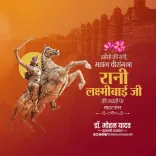
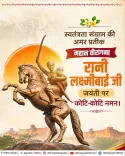
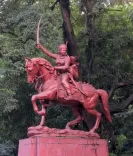
CM Himanta pays tribute to Rani Lakshmibai on her Jayanti
Synopsis
Assam Chief Minister Himanta Biswa Sarma honoured Rani Lakshmibai on her birth anniversary on 19 November 2026, calling her an immortal symbol of valour, women's power, and patriotism whose legacy continues to inspire generations.
Key Takeaways
Assam CM Himanta Biswa Sarma posted a tribute to Rani Lakshmibai of Jhansi on her birth anniversary, 19 November 2026 .
He described her as an 'unmatched symbol of valour, women's power, and patriotism' and offered koti-koti naman (crores of salutations).
Rani Lakshmibai led armed resistance against British rule during the 1857 Indian Rebellion and died in combat, becoming a central freedom-movement icon.
Sarma said her courage and sacrifice 'will forever be inscribed in golden letters in Indian history.' The tribute reflects a consistent BJP pattern of commemorating 1857-era nationalist figures on key anniversaries.
Sarma is the convenor of the North-East Democratic Alliance (NEDA) and Chief Minister of Assam.
She rode into battle against an empire — and nearly two centuries later, her legend still commands a salute. On Thursday, 19 November 2026, Assam Chief Minister Himanta Biswa Sarma marked the birth anniversary of Rani Lakshmibai of Jhansi, honouring her as an unparalleled symbol of valour, women's power, and devotion to the nation.
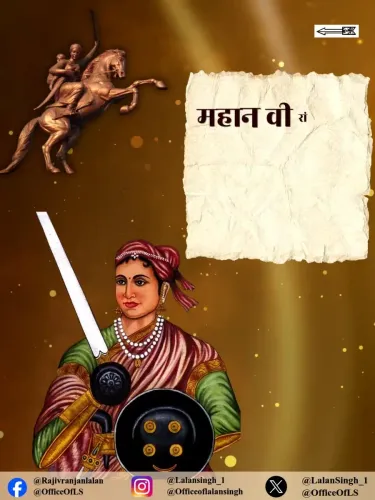
Posting on X in Hindi, Sarma wrote: 'veerata, nari shakti aur rashtrbhakti ki advitiya prateek' — 'the unmatched symbol of valour, women's power, and patriotism' — offering 'crores of salutations' (koti-koti naman) to the warrior queen. He said her 'indomitable courage, sacrifice, and martyrdom for the freedom of the motherland will forever be inscribed in golden letters in Indian history.'
The warrior queen BJP leaders keep returning to
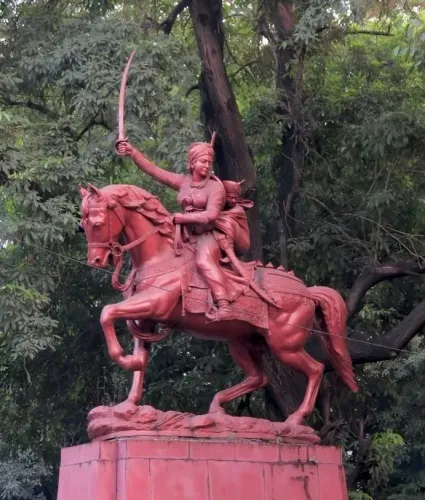
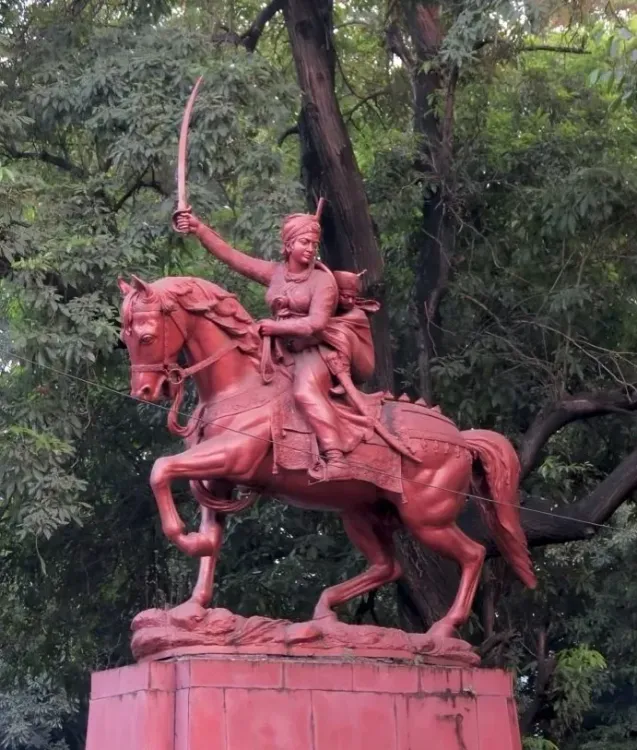
Rani Lakshmibai, the Queen of Jhansi, led armed resistance against British rule during the 1857 Indian Rebellion — the uprising widely regarded as India's first war of independence. Her battlefield defiance, and her death in combat, transformed her into one of the most enduring icons of the freedom movement. For BJP leaders across India, she occupies a central place in the party's cultural nationalism framework — a figure who fuses military heroism with the theme of nari shakti (women's strength) that the party has repeatedly invoked in public discourse.
Sarma's tribute follows an established pattern among regional BJP leaders, who mark the birth and death anniversaries of 1857-era figures with public commemorations. For the North-East Democratic Alliance (NEDA) convenor, such posts serve a dual purpose: reinforcing national identity while keeping the party's ideological vocabulary — sacrifice, motherland, self-respect — visible and consistent on social media.
Lakshmibai's legacy as a living political idea
What keeps Rani Lakshmibai relevant to modern Indian politics is not just history but metaphor. Sarma's post describes her life as 'an immortal inspiration for the strength of womanhood and unwavering dedication to the nation.' That framing places her alongside contemporary conversations about women's representation and empowerment — anchoring a 19th-century figure to a 21st-century political moment.
He added that 'her saga of heroism will forever guide coming generations on the path of love for the nation and self-respect.' The choice of words — swabhimaan (self-respect), rashtraprema (love of nation) — mirrors the vocabulary BJP leaders deploy consistently in both ceremonial tributes and campaign messaging across the country.
For the youth of India, Sarma's message is a reminder that the republic's founding energy came not only from diplomats and lawyers, but from a queen who chose the sword — and whose story, as one generation after another discovers it, refuses to age.
Point of View
The post aligns a historical figure with contemporary BJP political messaging — particularly around women's empowerment and cultural pride. For a leader who commands the Northeast's regional alliance network, such commemorations also serve to signal ideological consistency to a diverse multi-state audience. The regularity of these tributes across BJP leaders nationally suggests they function as much as political identity markers as historical remembrances.
NationPress
19 Nov 2026
Frequently Asked Questions
When is Rani Lakshmibai Jayanti celebrated?
Rani Lakshmibai Jayanti is celebrated on 19 November each year, marking the birth anniversary of the Queen of Jhansi who fought against British rule in 1857.
Who was Rani Lakshmibai?
Rani Lakshmibai was the Queen of Jhansi who led forces against the British East India Company during the 1857 Indian Rebellion . She became one of India's most celebrated symbols of resistance, valour, and women's strength.
What did Himanta Biswa Sarma say about Rani Lakshmibai?
Assam CM Himanta Biswa Sarma called Rani Lakshmibai 'the unmatched symbol of valour, women's power, and patriotism,' saying her courage and sacrifice 'will forever be inscribed in golden letters in Indian history.'
Why do BJP leaders frequently tribute Rani Lakshmibai?
Rani Lakshmibai represents themes of nationalist sacrifice and women's strength that align closely with the BJP 's cultural nationalism framework. Regional leaders like Sarma mark such anniversaries to reinforce party ideology and national identity.
What is Himanta Biswa Sarma's role apart from being Assam CM?
Himanta Biswa Sarma is also the convenor of the North-East Democratic Alliance (NEDA) , a BJP-led political alliance of regional parties across the northeastern states of India.