CM Himanta Hails President Murmu's Rath Yatra Reflections
Synopsis
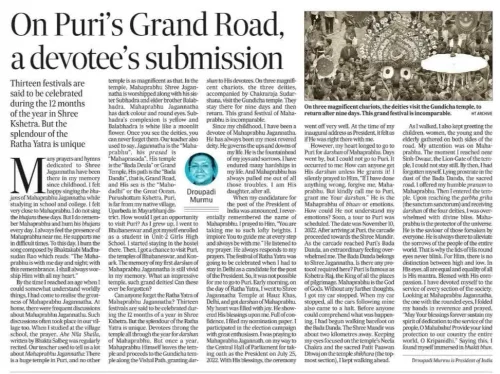
Assam Chief Minister Himanta Biswa Sarma on 16 July 2026 publicly praised President Droupadi Murmu's reflections on Rath Yatra, calling them a deeply moving account of Mahaprabhu Jagannath's values of faith, humility, and equality — underlining BJP's Northeast strategy of amplifying pan-Indian Hindu cultural narratives.
Key Takeaways
CM Himanta Biswa Sarma praised President Droupadi Murmu's written reflections on Rath Yatra on 16 July 2026 .
Sarma described the reflections as a 'deeply moving read' capturing the spirit of faith, humility, and equality inspired by Mahaprabhu Jagannath .
President Murmu , India's first tribal woman head of state, is from Odisha and has consistently engaged with Jagannath traditions.
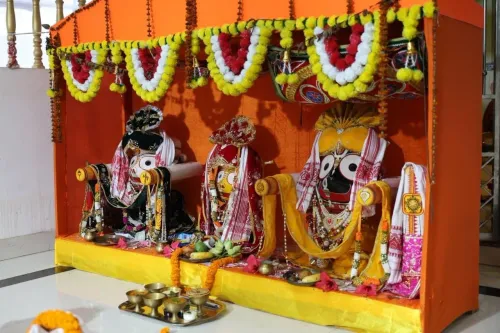
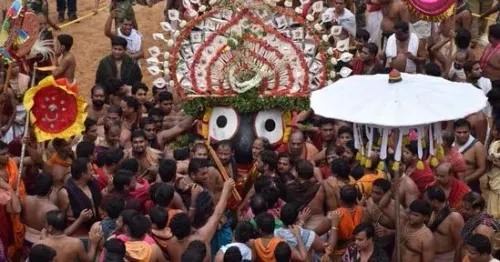
The Rath Yatra , held annually in Puri, Odisha , is a major Hindu festival symbolising social equality and mass participation.
CM Sarma serves as convenor of the North-East Democratic Alliance (NEDA) and has aligned Northeast BJP politics with pan-Indian cultural narratives.
The exchange reflects a broader BJP strategy of bridging Northeast regional identity with Odia and Hindi-heartland Hindu cultural traditions.
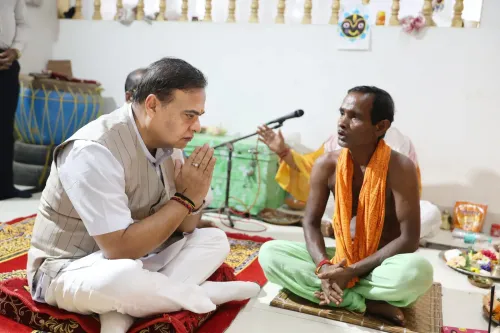
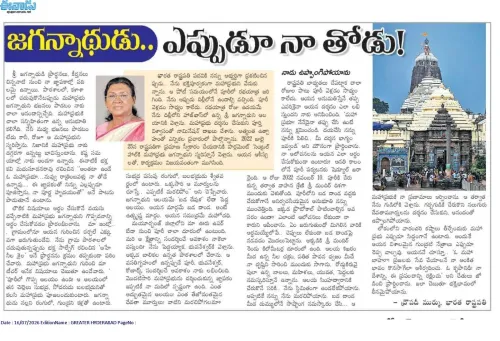
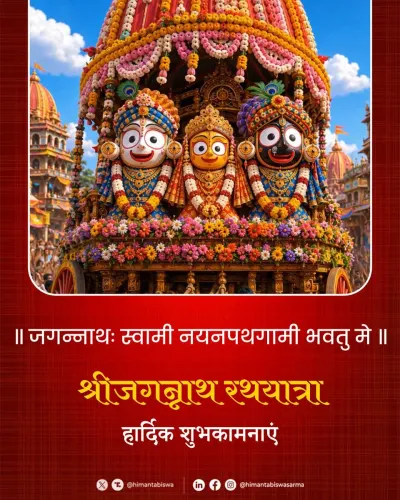
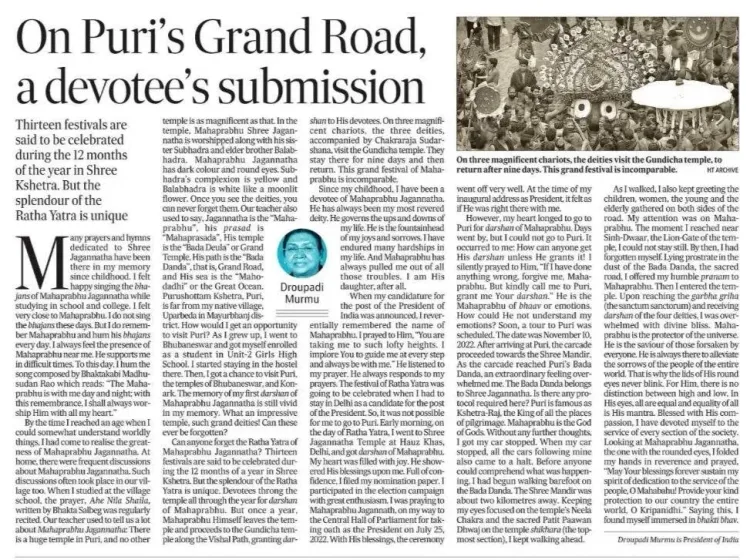
Assam Chief Minister Himanta Biswa Sarma on Thursday, 16 July 2026, shared a tribute to President Droupadi Murmu, praising her written reflections on the Rath Yatra as a 'deeply moving read' that captures the enduring spirit of faith, humility, and equality inspired by Mahaprabhu Jagannath.
Context
President Droupadi Murmu, India's first tribal woman head of state and a native of Odisha, has consistently highlighted the cultural and spiritual traditions of the Jagannath cult. Her reflections, shared via the official Rashtrapati Bhavan handle @rashtrapatibhvn, drew praise from political leaders across the country, including CM Sarma, who called them a 'beautifully' articulated account of the festival's timeless values.
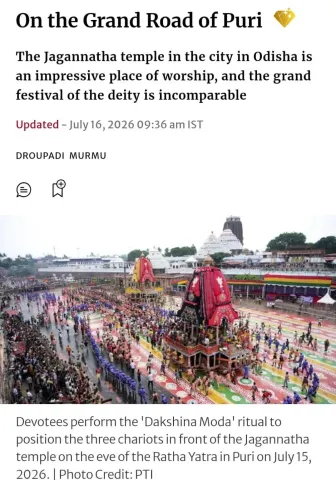
The Rath Yatra is among India's most prominent annual festivals, centred on the Jagannath Temple in Puri, Odisha. It is widely regarded as a symbol of social equality, drawing millions of devotees from all walks of life who participate in pulling the sacred chariots through the streets of Puri.
Policy Backdrop
BJP-led state governments across the Northeast have increasingly aligned themselves with pan-Indian Hindu festivals, strengthening cultural and political linkages with Odisha and the Hindi heartland. CM Sarma, as convenor of the North-East Democratic Alliance (NEDA), has been at the forefront of projecting shared religious heritage as a unifying national narrative.
President Murmu's prominence as a tribal Odia head of state has lent additional symbolic weight to such cultural moments. Her public engagement with Jagannath traditions is seen as part of a broader effort to project inclusive national symbolism at the highest constitutional level.
Stakeholders and Impact
The exchange between Rashtrapati Bhavan and a senior Northeast chief minister underscores the routine but deliberate elite signalling around shared religious heritage. For Jagannath devotees across India — and particularly in the Northeast, where Odia migrant communities maintain strong ties to the Puri tradition — such acknowledgements carry both spiritual and cultural resonance.
For BJP's Northeast leadership, amplifying the President's reflections on a major Odia festival reinforces the party's strategy of bridging regional identities with a pan-Indian Hindu cultural framework. CM Sarma's post, addressed directly to @rashtrapatibhvn, also signals institutional respect for the constitutional office.
What's Next
Attention will now turn to whether other NEDA chief ministers echo similar sentiments around the Rath Yatra season, and whether any gubernatorial or presidential participation in Puri is announced for future editions of the festival. The pattern of Northeast leaders publicly engaging with Odia religious traditions is likely to continue as long as the broader cultural-political alignment between the two regions holds.
As Rath Yatra continues to draw national and international attention, the convergence of constitutional symbolism and regional politics around Mahaprabhu Jagannath's festival points to an enduring thread in India's contemporary political culture — one where faith, identity, and governance increasingly intersect in public discourse.
Point of View
Deferential, and strategically timed around a high-visibility religious festival. By publicly amplifying President Murmu's reflections, Sarma simultaneously honours the constitutional office and reinforces BJP's pan-Indian Hindu cultural project in the Northeast. The choice to address @rashtrapatibhvn directly elevates the exchange from personal piety to institutional symbolism. As India's first tribal President from Odisha, Murmu's engagement with Jagannath traditions gives the BJP a powerful vehicle to project inclusive nationalism — and Northeast leaders like Sarma are quick to amplify that signal.
NationPress
15 Oct 2026
Frequently Asked Questions
What did CM Himanta Biswa Sarma say about President Murmu's Rath Yatra reflections?
CM Himanta Biswa Sarma called President Droupadi Murmu's reflections on Rath Yatra a 'deeply moving read' that beautifully captures the enduring spirit of faith, humility, and equality inspired by Mahaprabhu Jagannath.
What is Rath Yatra and where is it celebrated?
Rath Yatra is an annual chariot festival of Lord Jagannath held in Puri, Odisha. It is one of India's most prominent Hindu festivals, symbolising social equality and drawing millions of devotees to pull sacred chariots through the streets of Puri.
Why did President Droupadi Murmu write about Rath Yatra?
President Droupadi Murmu, a native of Odisha and India's first tribal woman head of state, has consistently highlighted the cultural and spiritual traditions of the Jagannath cult. Her reflections were shared via the official Rashtrapati Bhavan social media handle.
What is NEDA and what is Himanta Biswa Sarma's role in it?
NEDA, the North-East Democratic Alliance, is a BJP-led political alliance of parties in India's Northeast. Himanta Biswa Sarma, the Chief Minister of Assam, serves as its convenor and has been a key figure in aligning Northeast politics with national BJP narratives.
How does BJP use Rath Yatra politically in the Northeast?
BJP-led state governments in the Northeast have increasingly amplified pan-Indian Hindu festivals like Rath Yatra to strengthen cultural and political linkages with Odisha and the Hindi heartland, projecting a shared national religious heritage.