CM Dhami Launches Harela Tree Plantation Drive in Pauri Garhwal
Synopsis
Chief Minister Pushkar Singh Dhami's office announced a large-scale tree plantation campaign in Pauri Garhwal on 16 July 2026, timed to coincide with Harela, Uttarakhand's traditional monsoon folk festival. The drive continues a long-standing state practice of linking indigenous festivals to official afforestation efforts in the Himalayan region.
Key Takeaways
The Chief Minister's Office of Uttarakhand announced a tree plantation campaign in Pauri Garhwal on 16 July 2026 .
The drive was held on the occasion of Harela , an annual mid-July folk festival traditionally associated with sowing and planting in Uttarakhand.
Chief Minister Pushkar Singh Dhami issued the public call that prompted the campaign.
Uttarakhand governments have used Harela as a platform for state-backed afforestation since at least the early 2010s.
The campaign targets forest cover expansion in Pauri Garhwal , a hill district vulnerable to landslides and soil erosion.
Sapling survival rates and potential extension of the drive to other districts will be key indicators of the campaign's impact.
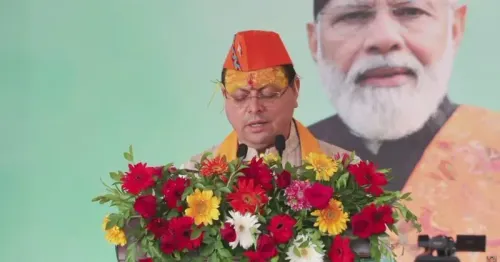
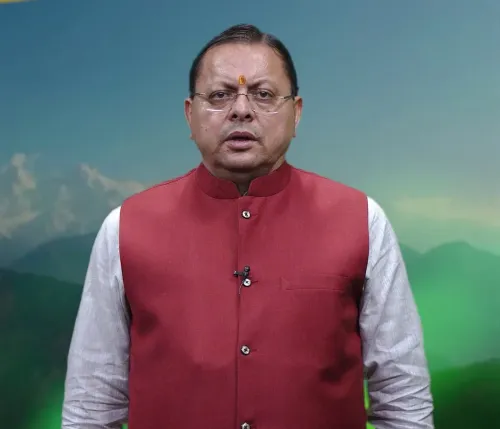
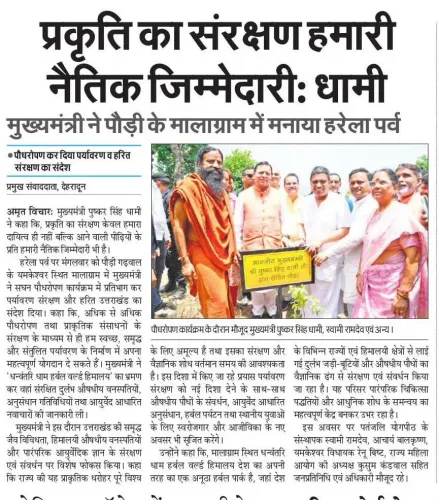
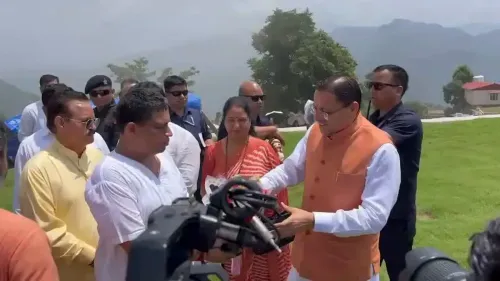
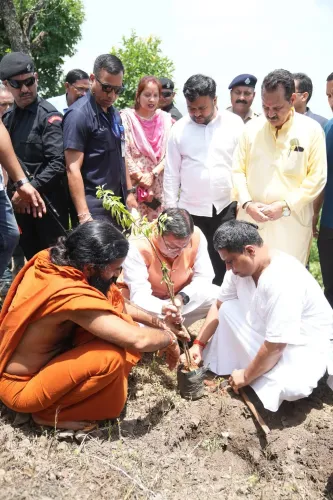
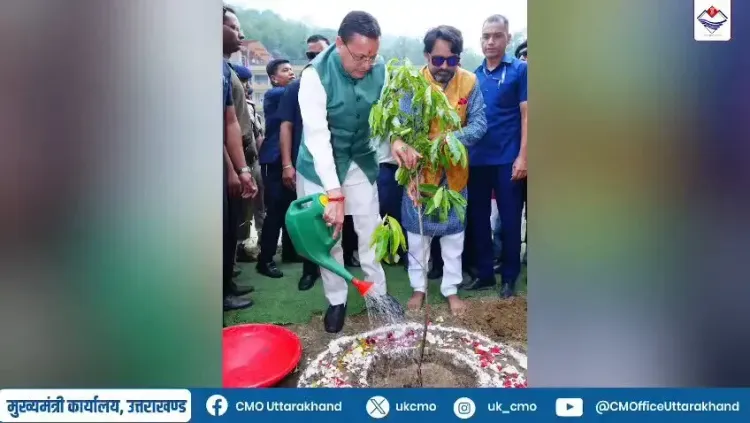
The Chief Minister's Office of Uttarakhand announced on Thursday, 16 July 2026, that a large-scale tree plantation campaign was carried out in Pauri Garhwal district on the occasion of the folk festival Harela, following a call by Chief Minister Pushkar Singh Dhami.
Context
The post, shared by the official Chief Minister's Office account, states: 'Mukhyamantri Shri Pushkar Singh Dhami ke aahvaan par lokparv Harela ke avsar par janapad Pauri Garhwal mein vyapak paudharopan abhiyan chalaya gaya' — ('On the call of Chief Minister Shri Pushkar Singh Dhami, an extensive tree plantation campaign was conducted in Pauri Garhwal district on the occasion of the folk festival Harela'). The announcement underscores the state government's deliberate use of a traditional seasonal festival to anchor an official environmental drive.
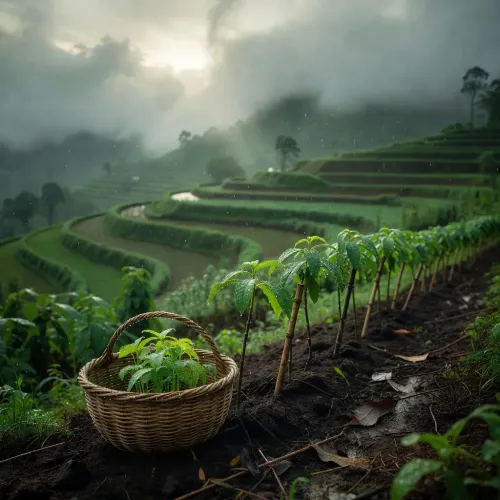
Harela is an annual mid-July festival observed across Uttarakhand, marking the onset of the monsoon. It carries a centuries-old tradition of sowing seeds and planting saplings as a symbol of prosperity and ecological renewal — making it a natural vehicle for state-backed afforestation efforts.
Policy Backdrop
Uttarakhand governments have organised state-supported tree plantation drives during Harela since at least the early 2010s, viewing the festival as a community mobilisation opportunity in a state where forest cover is both ecologically vital and perpetually under pressure. The Himalayan terrain of districts like Pauri Garhwal makes afforestation a direct policy response to landslides, soil erosion, and climate-related risks.
CM Dhami, who has held office since 2021, has consistently linked state programmes to indigenous festivals to boost public participation. This approach reflects a broader pattern among successive Uttarakhand administrations of merging folk culture with formal environmental governance — a strategy that lowers the cost of mobilisation while reinforcing cultural identity around conservation.
Stakeholders and Impact
The primary beneficiaries of such campaigns are hill district residents and forest-dependent communities in areas like Pauri Garhwal, who face the most direct consequences of deforestation — reduced water retention, increased landslide risk, and loss of livelihood. Community participation in plantation drives, when sustained, can contribute meaningfully to expanding green cover in the Himalayan belt.
The Chief Minister's public call lends top-level political visibility to what are otherwise district-level administrative exercises, raising the stakes for follow-through and accountability at the local level. Civil society groups and forest department officials in the district are typically central to executing and monitoring such campaigns on the ground.
What's Next
Attention will now turn to district-level reporting on sapling survival rates — a metric that distinguishes symbolic plantation events from durable afforestation. Observers will also watch whether the drive is extended to other Uttarakhand districts in the same monsoon season, which would indicate a more systematic state-wide push rather than a localised observance.
With the monsoon providing optimal conditions for sapling growth, the coming weeks represent the critical window for the planted saplings to take root. The state government's follow-up communication on the campaign's scale and outcomes will be a key indicator of its long-term environmental ambition.
Point of View
Making it difficult to critique without appearing to oppose tradition. The move fits a broader national pattern of governments embedding policy delivery within festival calendars to maximise grassroots reach and media visibility. The real test, as with most plantation drives, lies not in the announcement but in post-monsoon survival audits that rarely receive the same amplification. Until the state publishes verifiable sapling counts and survival data, such campaigns remain symbolically potent but empirically hard to assess.
NationPress
16 Jul 2026
Frequently Asked Questions
What is Harela festival in Uttarakhand?
Harela is an annual folk festival celebrated in mid-July across Uttarakhand to mark the onset of the monsoon season. It carries a traditional practice of sowing seeds and planting saplings as symbols of prosperity, making it a natural occasion for tree plantation drives.
Why did CM Dhami call for tree plantation on Harela 2026?
Chief Minister Pushkar Singh Dhami issued a public call for tree plantation on Harela 2026 as part of the state government's ongoing effort to expand forest cover in Uttarakhand. The festival's cultural association with planting makes it an effective vehicle for community mobilisation.
Where was the Harela plantation drive held in 2026?
The tree plantation campaign announced by the Chief Minister's Office was held in Pauri Garhwal district of Uttarakhand on 16 July 2026.
How long has Uttarakhand been holding tree plantation drives on Harela?
Uttarakhand governments have organised state-supported tree plantation during Harela since at least the early 2010s, using the festival to boost community participation in afforestation across the state's Himalayan districts.
What are the environmental challenges in Pauri Garhwal that make afforestation important?
Pauri Garhwal is a hill district in the Himalayas that faces significant risks from deforestation, including landslides, soil erosion, and reduced water retention. Tree plantation campaigns aim to rebuild green cover and reduce these climate-related vulnerabilities.