CM Himanta Reviews Student Aid, Visa Access, Green Guwahati Push
Synopsis
Assam CM Himanta Biswa Sarma shared highlights of a multi-front governance day covering student support under NijutBabuMoina, international visa facilitation closer to Northeast India, and a greening push in Guwahati.
Key Takeaways
Himanta Biswa Sarma reviewed three governance initiatives on October 15-16, 2026 in Assam.
The #NijutBabuMoina scheme targets student welfare and received active CM-level attention.
Efforts are under way to bring international visa services closer to Northeast India , reducing the need to travel to distant metros.
Guwahati , Assam's largest city, is the focus of an ongoing urban greening initiative.
The activities reflect a pattern of combining welfare, connectivity, and sustainability under the current BJP-led Assam government .
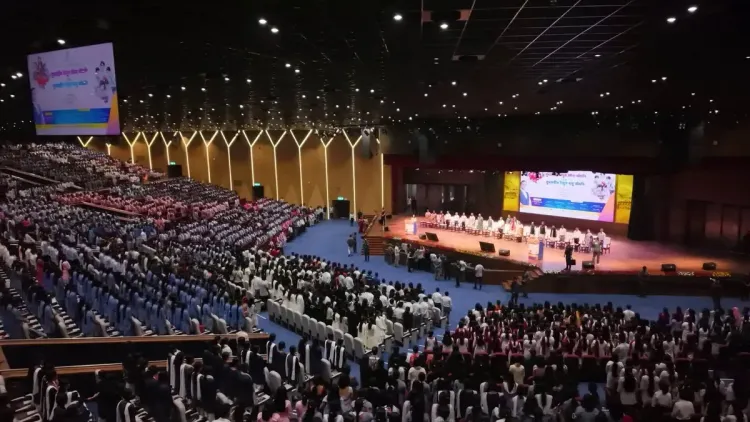
From classrooms to consulates to canopies of green, Assam Chief Minister Himanta Biswa Sarma on Friday, October 16, 2026 shared glimpses of a packed previous day that touched three distinct fronts of governance — student welfare, international visa facilitation, and urban greening in Guwahati.
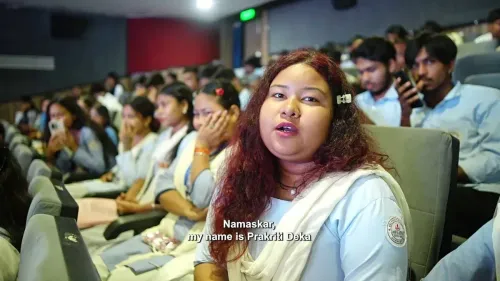
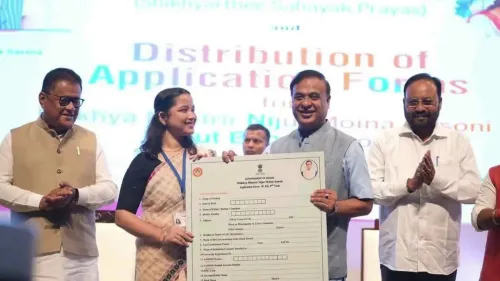
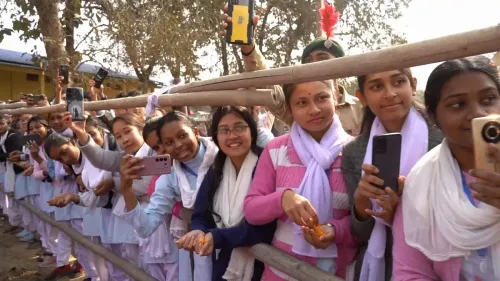
NijutBabuMoina and the bet on Assam's students
Central to the day's review was the #NijutBabuMoina scheme, a state-backed student support initiative. Sarma's post signals active, hands-on engagement with the programme rather than a ceremonial check-in. Assam governments have, over successive administrations, periodically launched targeted student assistance measures — but the current BJP-led administration under Sarma has folded such welfare efforts into a wider narrative of Northeast-first development since he assumed office in 2021.
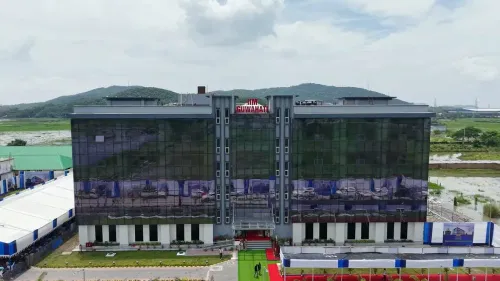
Bringing international visa services to Northeast's doorstep
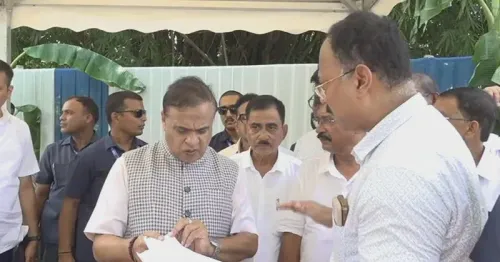
Perhaps the most consequential thread in the day's update is the move to bring international visa services closer to Assam. For years, residents of Northeast India have had to travel to distant metros — often Kolkata or Delhi — for consular appointments, a logistical burden that quietly throttles mobility and business opportunity for the region. Expanding visa facilitation infrastructure in or near Guwahati, the region's commercial and administrative hub, addresses a long-standing connectivity gap. It is a quiet but practical win.
Making Guwahati greener, one initiative at a time
The third strand — urban greening in Guwahati — fits a pattern visible across Indian state capitals where rapid urbanisation has outpaced environmental planning. Sarma's mention of greening efforts suggests ongoing tree-planting, park development, or allied sustainability drives, consistent with the broader push under the current administration to couple infrastructure growth with ecological commitments in the city. The specifics await fuller disclosure, but the direction is clear.
Three different fronts, one long day — and Sarma's point seems to be that governance is rarely a single headline. It is a dozen smaller decisions, quietly compounding.
Point of View
Consular access, and urban ecology is a deliberate image of executive breadth — a signal that Northeast governance is no longer defined by a single issue. The visa facilitation strand is arguably the most structurally significant: improving consular access in Guwahati could meaningfully reduce friction for business travel and diaspora connectivity across all eight Northeast states. Together, the three threads reinforce the BJP's dual pitch of welfare delivery and aspirational infrastructure ahead of any future electoral cycle in the region.
NationPress
16 Oct 2026
Frequently Asked Questions
What is the NijutBabuMoina scheme in Assam?
NijutBabuMoina is a state government initiative in Assam aimed at providing support to students. Chief Minister Himanta Biswa Sarma has been actively associated with its implementation as part of the BJP-led government's welfare agenda.
Why is visa facilitation important for Northeast India?
Residents of Northeast India have historically had to travel to Kolkata or Delhi for international visa appointments, adding cost and time. Bringing visa services closer to Guwahati reduces that burden and improves connectivity for the entire region.
What greening projects are happening in Guwahati?
CM Himanta Biswa Sarma referenced urban greening efforts in Guwahati as part of his October 2026 governance update. Specific targets and project details are yet to be formally disclosed.
Who is Himanta Biswa Sarma?
Himanta Biswa Sarma is the Chief Minister of Assam since 2021 and a senior BJP leader. He also serves as the convenor of the North-East Democratic Alliance (NEDA), making him the dominant political figure across the Northeast.
What is NEDA and what role does Himanta play in it?
The North-East Democratic Alliance (NEDA) is a BJP-led political coalition of like-minded parties across the eight Northeast states. Himanta Biswa Sarma serves as its convenor, giving him significant influence over regional politics beyond Assam.