CM Himanta Urges Flood Victims to Claim Relief by Aug 30
Synopsis
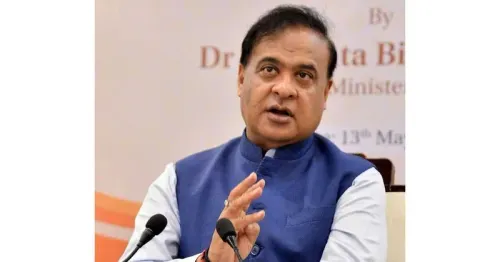
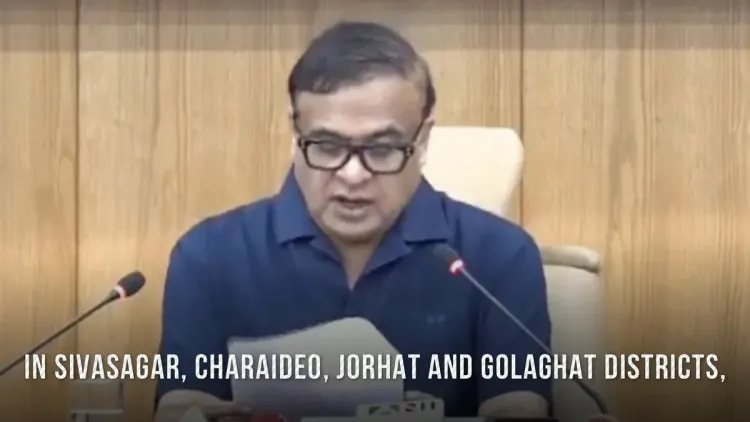
Assam Chief Minister Himanta Biswa Sarma has urged flood-affected residents of Sivasagar, Charaideo, Jorhat and Golaghat to submit applications for insurance claims and loan moratoriums before the 30 August 2026 deadline, as the state activates standard disaster relief frameworks for upper Assam's worst-hit districts.
Key Takeaways
Assam CM Himanta Biswa Sarma has announced that insurance claims and loan moratoriums are available for flood-affected residents.
The relief applies to four districts: Sivasagar, Charaideo, Jorhat , and Golaghat — all in flood-prone upper and eastern Assam.
The application deadline is 30 August 2026 ; residents are urged to submit before it closes.
Loan moratoriums pause repayment obligations for farmers and small borrowers whose income has been disrupted by flooding.
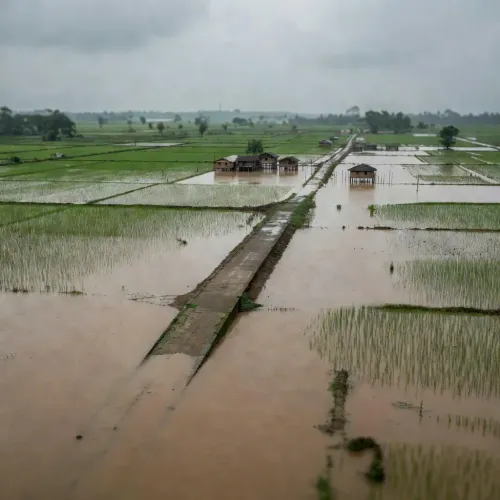
Assam's annual Brahmaputra floods regularly devastate crops, homes and infrastructure across these districts, making financial relief a recurring state priority.
With monsoon waters still receding across upper Assam, Assam Chief Minister Himanta Biswa Sarma has issued a direct public call to action: flood-hit residents of four of the state's most vulnerable districts have until 30 August 2026 to apply for insurance claims and loan moratoriums — relief that could mean the difference between recovery and ruin for thousands of families.
Four Districts, One Deadline
Sivasagar, Charaideo, Jorhat, and Golaghat — all in upper and eastern Assam, all perennially battered by the Brahmaputra and its tributaries — are the focus of the Chief Minister's appeal. These are not arbitrarily chosen names. Each district carries a long record of high inundation, damaged crops, and washed-out infrastructure every monsoon season. By naming them explicitly, Sarma is signalling that relief machinery is already in place and waiting — the bottleneck now is applications.
The two instruments on offer are significant. Insurance claims provide direct compensation for crop and property losses. Loan moratoriums give farmers and small borrowers breathing room by pausing repayment obligations — a critical lifeline when harvests have been destroyed and income has collapsed. Together, they form the standard toolkit Assam administrations have deployed under disaster management frameworks during major flood years.
Assam's Perennial Flood Burden
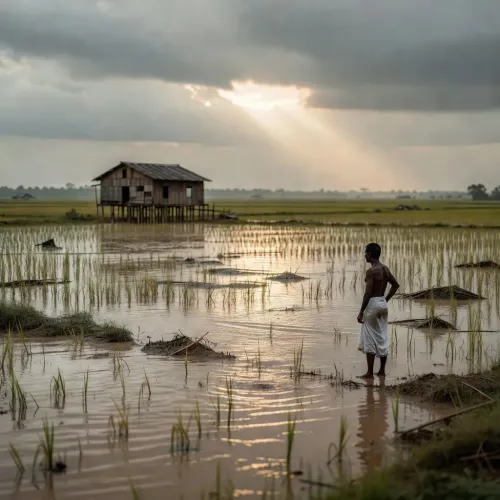
Assam's annual flood cycle is among the most punishing in South Asia. The Brahmaputra, swollen by Himalayan meltwater and monsoon rain, routinely breaches embankments across the state's length, inundating agricultural land, displacing communities, and severing road and rail links. Upper Assam districts — including all four named by Sarma — consistently rank among the worst-affected zones. For farmers in the region, a single bad flood season can wipe out an entire year's income.
State governments have long responded with targeted financial relief, but the challenge has always been reach: ensuring that affected households actually submit applications before administrative deadlines close. Sarma's post is, in effect, a public reminder that the window is open but not permanent.
The Clock Is Running
With the 30 August deadline now public, district administrations and bank branches in the four zones will face pressure to process applications quickly. Whether claim volumes meet the scale of damage — and whether any districts are added or the deadline extended — will be the real measure of how this relief round lands.
For now, the message from Dispur is unambiguous: the relief is there. Apply before August ends.
Point of View
Sarma is doing more than announcing relief — he is creating accountability pressure on district administrations to ensure applications are processed at scale. The move fits a broader pattern in which the BJP-led Assam government has sought to make disaster response visible and claimant-driven rather than purely bureaucratic. The 30 August cut-off is tight given that monsoon flooding often peaks through mid-August, raising a legitimate question about whether affected households — many in remote, inundated areas — have adequate time and access to file. How the state handles any push for an extension will signal whether this relief round is substantive or symbolic.
NationPress
27 Sept 2026
Frequently Asked Questions
Who is eligible for flood relief insurance claims in Assam in 2026?
Residents affected by floods in Sivasagar, Charaideo, Jorhat , and Golaghat districts are eligible, according to CM Himanta Biswa Sarma's announcement. Farmers, households and small businesses in these districts are the primary stakeholders.
What is the deadline to apply for Assam flood relief in 2026?
The deadline to submit applications for insurance claims and loan moratoriums is 30 August 2026 , as stated by Assam Chief Minister Himanta Biswa Sarma.
What is a loan moratorium and how does it help flood victims?
A loan moratorium temporarily pauses a borrower's repayment obligations. For flood-affected farmers and small borrowers whose income has been disrupted, it provides financial breathing room without the risk of default penalties during the recovery period.
Why are Sivasagar, Charaideo, Jorhat and Golaghat so frequently flood-affected?
All four districts lie in upper and eastern Assam along or near the Brahmaputra river system, which swells significantly during the monsoon season. They consistently record high inundation levels, crop damage and infrastructure losses every year.
How can flood victims in Assam apply for insurance claims and loan moratoriums?
CM Sarma's post urges affected residents to submit their applications — the process is expected to run through district administration offices and bank branches in the four named districts. Residents should contact their local administration for specific application procedures before the 30 August deadline.