CM Sarma Reviews Flood Relief in Four Upper Assam Districts
Synopsis
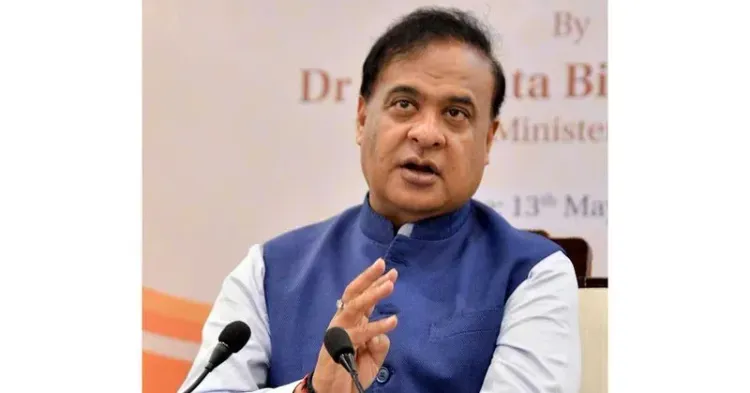
Chief Minister Himanta Biswa Sarma reviewed flood relief, rehabilitation, and restoration efforts across Sivasagar, Charaideo, Jorhat, and Golaghat on August 17, 2026, reaffirming state support for affected families as upper Assam faces its recurring monsoon crisis.
Key Takeaways
CM Himanta Biswa Sarma reviewed flood relief and rehabilitation operations in four upper Assam districts on August 17, 2026 .
The four affected districts are Sivasagar , Charaideo , Jorhat , and Golaghat — all in the flood-prone upper Assam belt.
District administrations are coordinating with the Assam State Disaster Management Authority (ASDMA) on immediate relief and longer-term restoration.
Relief operations are funded through the State Disaster Response Fund (SDRF) , with central assistance a possibility depending on damage scale.
Restoration of roads, schools, and agricultural land remains ongoing across the affected districts.
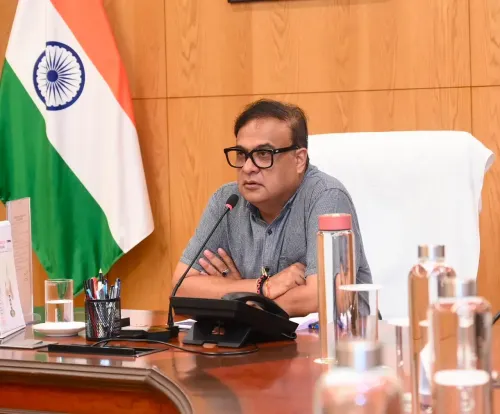
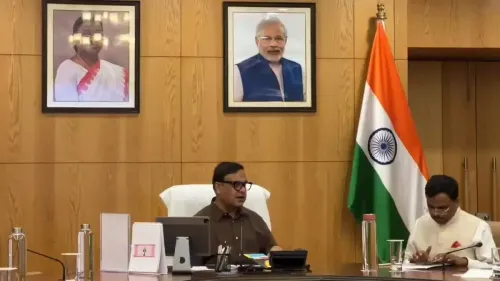
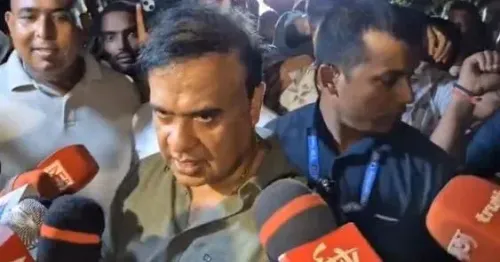
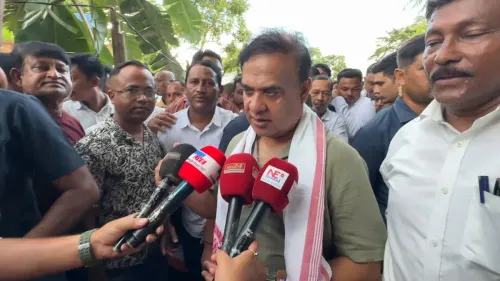
Every monsoon, the Brahmaputra extracts its toll — and in August 2026, four districts of upper Assam are once again counting the cost. The Chief Minister's Office of Assam confirmed on Monday, August 17 that Chief Minister Himanta Biswa Sarma personally reviewed relief, rehabilitation, and restoration efforts across flood-affected Sivasagar, Charaideo, Jorhat, and Golaghat, reaffirming the government's commitment to timely support for affected families.
Four Districts, One Familiar Crisis
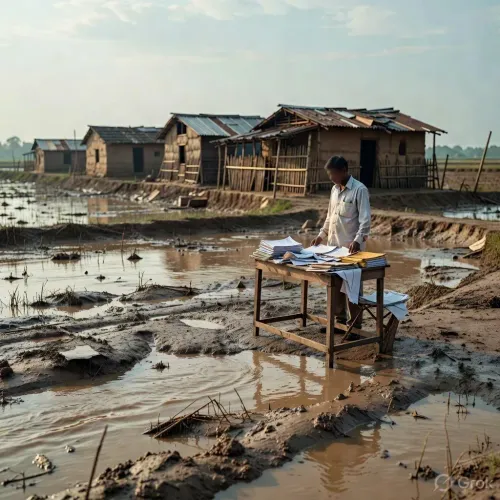
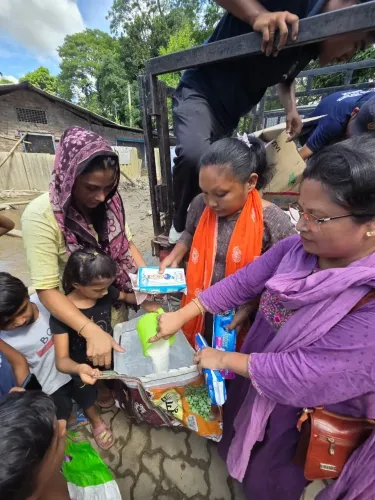
The four districts sit in upper Assam — a belt that bears the brunt of the Brahmaputra's seasonal fury year after year. Sivasagar and its younger sibling district Charaideo, carved out of it, face annual monsoon inundation from swollen tributaries. Jorhat, home to sprawling tea gardens, sees agricultural land and rural infrastructure repeatedly submerged. Golaghat, which borders the Kaziranga National Park, is equally vulnerable — floods there threaten not just homes and crops but wildlife corridors. The Chief Minister's review signals that the state is in active response mode, not merely monitoring. District administrations are coordinating with the Assam State Disaster Management Authority (ASDMA) to deliver immediate assistance — temporary shelters, food and drinking water — while simultaneously beginning the harder work of restoring roads, schools, and agricultural land.The SDRF Machinery Behind the Response
Assam's flood response operates under the State Disaster Response Fund (SDRF), the primary financial instrument for immediate relief. In previous monsoon seasons, the state has drawn on SDRF allocations to fund relief camps, embankment repairs, and compensation to affected farmers. Whether the scale of the 2026 flooding triggers additional central assistance — as it has in particularly severe years — remains a key question for district administrations still assessing damage. CM Sarma, who has held office since May 2021, has made direct district-level reviews a visible part of his administration's disaster-response posture. The hands-on review of all four affected districts in a single sweep underscores the political and administrative priority being placed on the response. For the families in these four districts, the speed of rehabilitation — not just the relief — is what determines how quickly life returns to normal. With restoration of roads, schools, and farmland still ahead, the government's next moves will be watched closely.Point of View
As always, will be the pace of rehabilitation rather than the speed of the review — Assam's SDRF-backed response has often been swift in the relief phase but slower in restoring livelihoods and infrastructure. Whether the 2026 monsoon season prompts a push for more durable flood-mitigation investment — embankment upgrades, drainage improvements — or remains a cycle of annual relief reviews is the deeper question this moment raises.
NationPress
1 Oct 2026
Frequently Asked Questions
Which districts did CM Sarma review for flood relief in August 2026?
CM Himanta Biswa Sarma reviewed flood relief and rehabilitation efforts in Sivasagar , Charaideo , Jorhat , and Golaghat — four districts in upper Assam.
Why does Assam flood every year?
Assam floods annually due to the Brahmaputra river and its tributaries overflowing during the monsoon season. Upper Assam districts like Sivasagar, Jorhat, and Golaghat are among the most vulnerable.
What is the State Disaster Response Fund (SDRF) in Assam?
The State Disaster Response Fund (SDRF) is the primary financial mechanism through which Assam funds immediate flood relief — covering relief camps, food, shelters, and embankment repairs — during disaster events.
What is the Assam State Disaster Management Authority?
The Assam State Disaster Management Authority (ASDMA) is the state body that coordinates disaster response, working with district administrations to deliver relief and oversee restoration of infrastructure after floods.
What areas of Golaghat are affected by Assam floods?
Golaghat district in upper Assam, which borders Kaziranga National Park , is regularly affected by monsoon flooding that damages homes, agricultural land, and wildlife corridors.