CM Himanta Conducts Boat Survey at Charaideo Flood Zone
Synopsis
Assam Chief Minister Himanta Biswa Sarma visited flood-hit Charaideo on 3 August 2026, conducting a boat survey of stagnant-water zones and pledging state assistance to residents returning home after the monsoon inundation.
Key Takeaways
Himanta Biswa Sarma conducted a boat survey in Charaideo district on 3 August 2026 as part of the state's flood response.
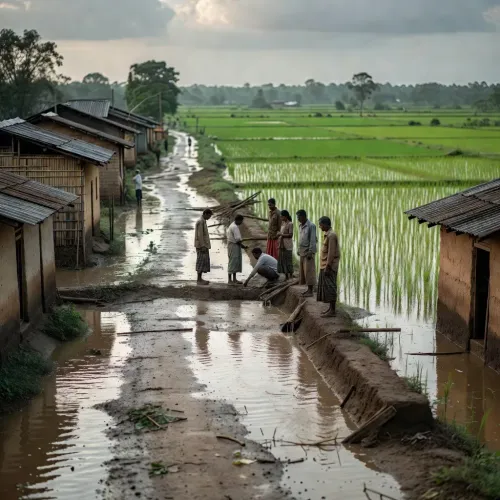
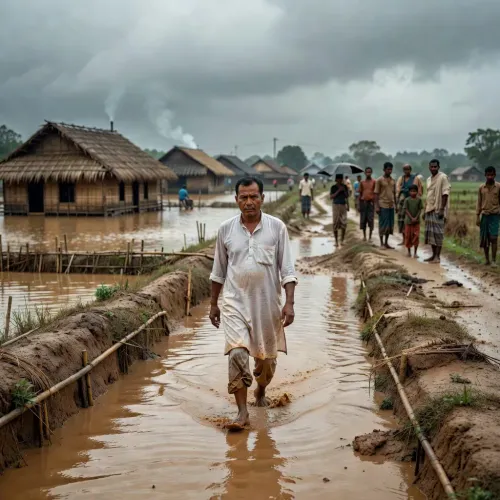
Water levels in Charaideo have receded from their peak but remain stagnant across large areas.
The Chief Minister met residents who have begun returning to their homes and pledged full government assistance.
Charaideo , in eastern Assam, is historically vulnerable to Brahmaputra basin flooding and falls under the state's updated disaster management protocols.
Distribution of state relief packages and potential coordination with NDRF or central agencies remains the critical next step.
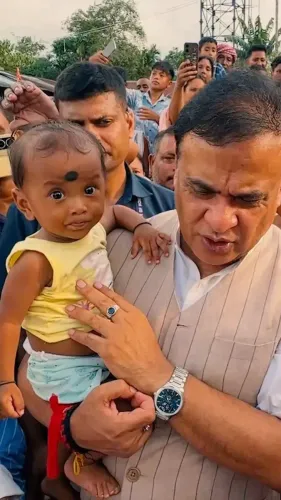
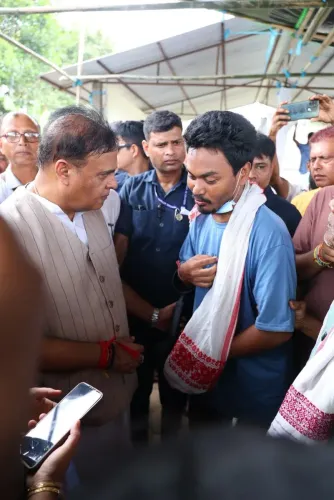
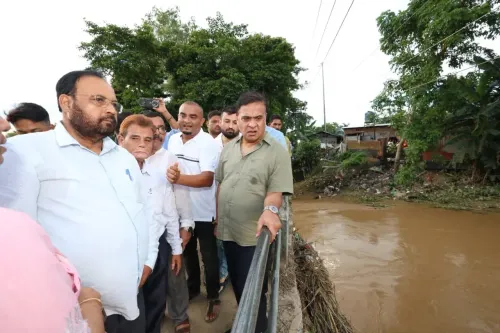
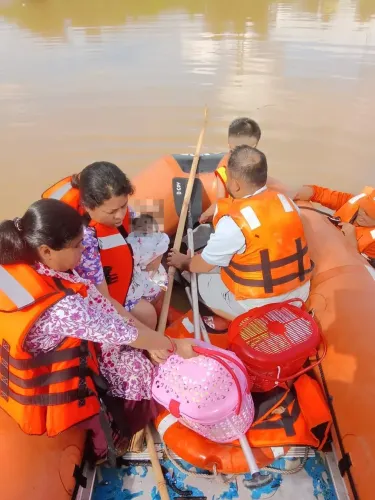
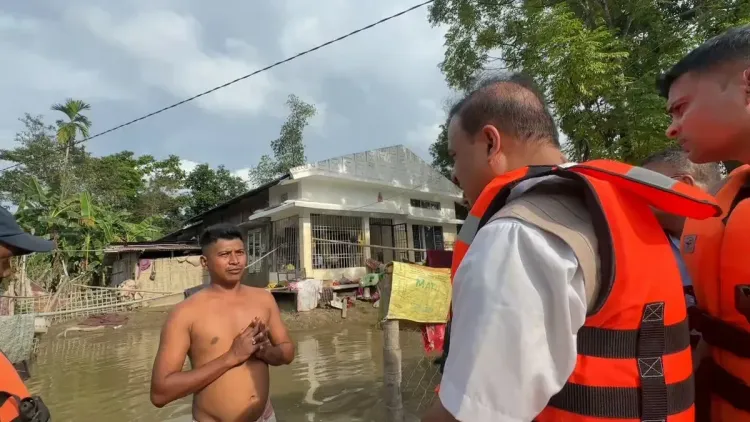
Stagnant water still grips large parts of Charaideo even as the peak recedes — and Assam Chief Minister Himanta Biswa Sarma went in by boat on Monday, 3 August 2026 to see it firsthand. Sarma visited the impact zone in the eastern Assam district, surveying flood-hit localities and meeting residents who have begun returning to their homes.
Into the water: what the boat survey found
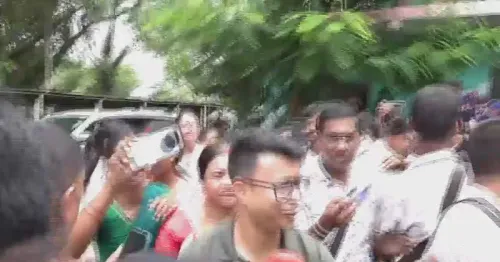
Sarma confirmed that while water levels have dropped compared to the flood's peak, large areas remain inundated with stagnant water — a condition that prolongs displacement, damages crops, and raises the risk of waterborne disease. The Chief Minister reached out directly to residents who had moved back into their homes, assessing conditions on the ground rather than relying solely on administrative reports.
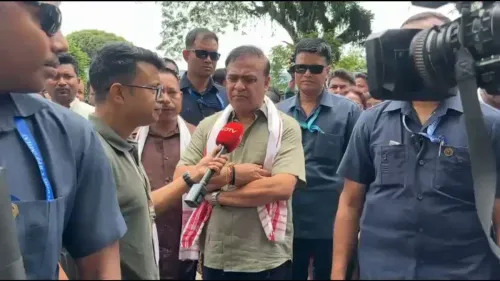
'Though water levels have gone down, it continues to be stagnant in a lot of areas,' Sarma wrote, adding that the government would 'ensure that they receive all assistance.'
Charaideo's recurring battle with the Brahmaputra basin
Charaideo, a district in eastern Assam historically significant as the seat of the Ahom kingdom, sits within the Brahmaputra river basin and is recurrently vulnerable to monsoon inundations. Assam's disaster management protocols — updated after the major floods of 2012 and 2020 — specifically include boat surveys and direct community outreach in stagnant-water zones, making Sarma's visit consistent with the state's established emergency response playbook.
The broader pattern is well-documented: every monsoon season, the Brahmaputra and its tributaries push Assam into crisis, triggering state-level surveys, relief coordination, and assistance pledges. What varies is the speed and reach of the response — and a chief ministerial visit to the impact zone, rather than a press briefing from Dispur, signals the administration's intent to be seen acting, not just announcing.
Relief pipeline and what comes next for Charaideo
The key question now is the distribution of state relief packages and whether NDRF or central agencies will be brought in to support Charaideo and neighbouring districts. Residents returning to their homes face damaged infrastructure and the threat of disease in standing water — the window for effective relief is narrow once floodwaters begin to recede.
Assam has faced this cycle before. The difference between a managed recovery and a prolonged humanitarian strain often comes down to how quickly assistance reaches the last mile — exactly the commitment Sarma made from the boat.
Point of View
Blending governance visibility with political messaging. The stagnant-water situation in Charaideo, if prolonged, risks shifting the narrative from responsive governance to inadequate drainage infrastructure — a structural critique successive Assam governments have struggled to answer. How swiftly the relief pipeline reaches returning residents will determine whether this visit is remembered as a turning point or a photo opportunity.
NationPress
18 Sept 2026
Frequently Asked Questions
Why did CM Himanta Biswa Sarma visit Charaideo?
Sarma visited Charaideo on 3 August 2026 to conduct a boat survey of flood-affected areas where water remains stagnant, and to directly assess the needs of residents returning to their homes after the monsoon inundation.
What is the current flood situation in Charaideo, Assam?
According to Sarma's on-ground assessment, water levels in Charaideo have receded from their peak but continue to be stagnant across many areas, affecting residents and delaying full recovery.
What relief has the Assam government promised to Charaideo flood victims?
Chief Minister Sarma pledged that the state government will ensure all affected residents receive full assistance, though specific relief package details are yet to be announced publicly.
Is Charaideo frequently affected by floods?
Yes. Charaideo, located in eastern Assam within the Brahmaputra river basin, is recurrently vulnerable to monsoon flooding. The district was historically the seat of the Ahom kingdom and has faced repeated inundations over the years.
What is Assam's flood disaster management protocol?
Assam's state disaster management protocols, updated after major floods in 2012 and 2020, include boat surveys, direct community outreach in stagnant-water zones, and coordination with agencies such as the NDRF for relief operations.