CM Himanta Thanks Apollo, Nightingale for CMRF Donations
Synopsis
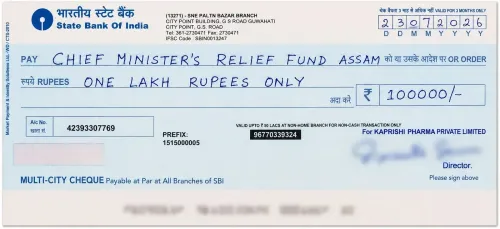
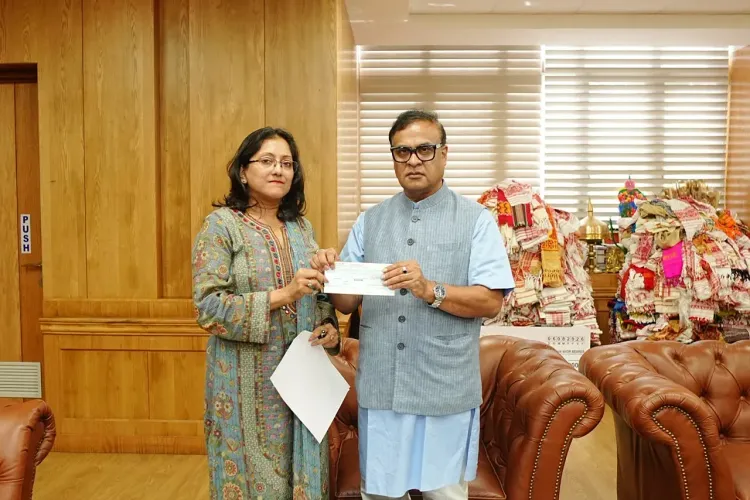
The Chief Minister's Office of Assam publicly thanked Sonali Ghosal of Nightingale Group (₹25 lakh) and Dr. Tonmoy Das of Apollo Hospital (₹20 lakh) for their contributions to the Chief Minister's Relief Fund, as the state navigates its annual monsoon emergency season.
Key Takeaways
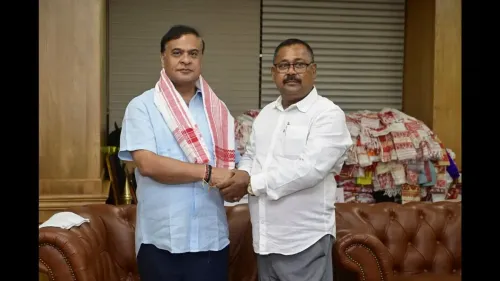
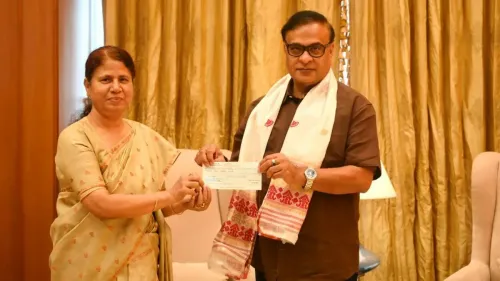
Sonali Ghosal , Nightingale Group of Companies, donated ₹25 lakh to the Assam CMRF.
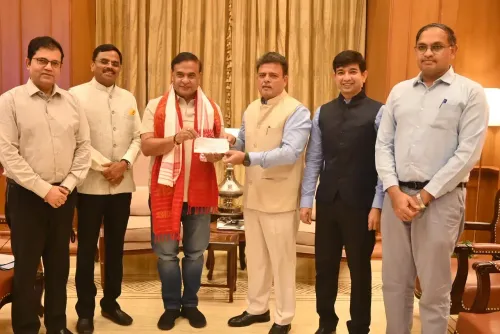
Tonmoy Das , Apollo Hospital, donated ₹20 lakh to the CMRF.
Combined private contribution stands at ₹45 lakh .
Himanta Biswa Sarma personally acknowledged both donors via the official CMO account on August 12, 2026 .
The CMRF funds immediate relief for disaster and medical emergency victims in flood-prone Assam.
Public naming of donors is a deliberate state strategy to encourage further private philanthropy during monsoon season.
Two private donors — a healthcare executive and a corporate group — have stepped forward with a combined ₹45 lakh for Assam's Chief Minister's Relief Fund, and Chief Minister Dr. Himanta Biswa Sarma made sure the gesture did not go unacknowledged. The Chief Minister's Office of Assam posted its public thanks on Wednesday, August 12, 2026, naming both contributors by name and amount.
Who gave what: the two donors behind the ₹45 lakh
Sonali Ghosal of the Nightingale Group of Companies contributed ₹25 lakh, while Dr. Tonmoy Das of Apollo Hospital added ₹20 lakh. The Chief Minister's Office described their support as reflecting 'the spirit of solidarity and compassion that strengthens Assam in times of need.'
Apollo Hospitals is one of India's largest private healthcare networks, with a presence in Assam, and has previously engaged in CSR and health-related relief activities. The Nightingale Group is a private corporate entity based in the region.
Why the Chief Minister's Relief Fund matters each monsoon
The Chief Minister's Relief Fund (CMRF) is a government-managed corpus that channels immediate financial assistance to victims of natural disasters and medical emergencies in Assam. The state is among India's most flood-prone, with the Brahmaputra and its tributaries inundating large swathes of land almost every monsoon season.
Successive Assam governments have maintained the fund and made periodic public appeals for private donations, particularly during the annual flood cycle. Publicly naming donors — with exact amounts — is a deliberate strategy: it signals transparency and nudges further philanthropy from businesses and individuals watching from the sidelines.
The practice is not unique to Assam. Across India, state governments routinely acknowledge CMRF contributions publicly, treating private donors as partners in a relief architecture that government budgets alone cannot fully cover.
With the 2026 monsoon season underway, the timing of this acknowledgement signals that the fund is actively receiving contributions — and that the state is watching for more.
Point of View
Not mere courtesy. By converting private generosity into a visible, official record, the Himanta Biswa Sarma government signals both transparency and social pressure: if Apollo Hospital and Nightingale Group gave, who else is watching? This tactic fits a broader pattern across Indian states where CMRF acknowledgements function as soft fundraising tools during peak disaster seasons. The real test, as always, will be whether the fund's utilisation data is made equally public.
NationPress
26 Sept 2026
Frequently Asked Questions
What is the Chief Minister's Relief Fund in Assam?
The Chief Minister's Relief Fund (CMRF) is a government-managed fund in Assam used to provide immediate financial assistance to victims of natural disasters such as floods, as well as medical emergencies. It is funded by government allocations and private donations.
Who donated to the Assam CMRF in August 2026?
Sonali Ghosal of the Nightingale Group of Companies donated ₹25 lakh, and Dr. Tonmoy Das of Apollo Hospital donated ₹20 lakh to the Assam Chief Minister's Relief Fund.
Why did CM Himanta Biswa Sarma publicly thank the donors?
CM Himanta Biswa Sarma publicly acknowledged the contributions to encourage a culture of philanthropy and transparency around the CMRF, particularly during Assam's annual monsoon and flood emergency season.
How can individuals or companies donate to the Assam CMRF?
Individuals and organisations can contribute to the Assam Chief Minister's Relief Fund through official government channels. The CMO periodically issues public appeals, especially during flood seasons, with details on how to donate.
Is Assam prone to floods every year?
Yes, Assam is one of India's most flood-affected states. The Brahmaputra river and its tributaries overflow almost every monsoon season, displacing large populations and prompting annual appeals for CMRF contributions.