CM Himanta Thanks Amit Shah for Dhemaji Flood Support Call

Synopsis
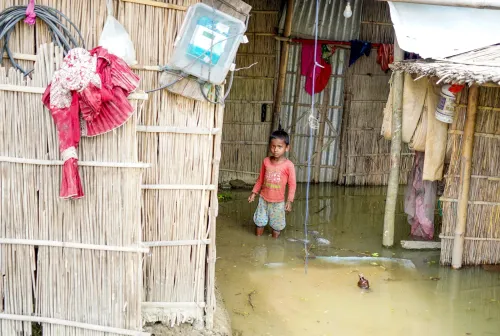
Assam Chief Minister Himanta Biswa Sarma on 29 June 2026 thanked Home Minister Amit Shah for personally calling to enquire about the Dhemaji flood crisis. Sarma briefed Shah on ongoing relief efforts, and Shah assured all possible support from the Government of India.
Key Takeaways
Union Home Minister Amit Shah called Assam CM Himanta Biswa Sarma on 29 June 2026 to enquire about flooding in Dhemaji district.
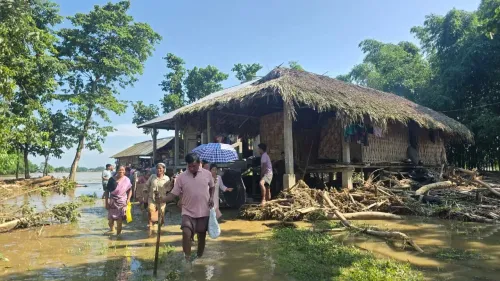
CM Sarma briefed Shah on relief and rehabilitation measures already underway in the flood-affected district.
Shah assured 'all possible support and assistance from the Government of India' to handle the situation.
Dhemaji is one of Assam's most flood-prone districts, lying in the Brahmaputra river basin near the Subansiri and Ranganadi rivers.
Central assistance may include NDRF deployments, emergency financial releases, or a central assessment team visit.
CM Sarma pinned the post on his official X account, signalling the importance of the Centre-state coordination on the crisis.
Assam Chief Minister Himanta Biswa Sarma on Monday, 29 June 2026, acknowledged a personal phone call from Union Home Minister Amit Shah, who enquired about the flood situation in Dhemaji district and assured the state of full central support for relief and rehabilitation efforts.
Context
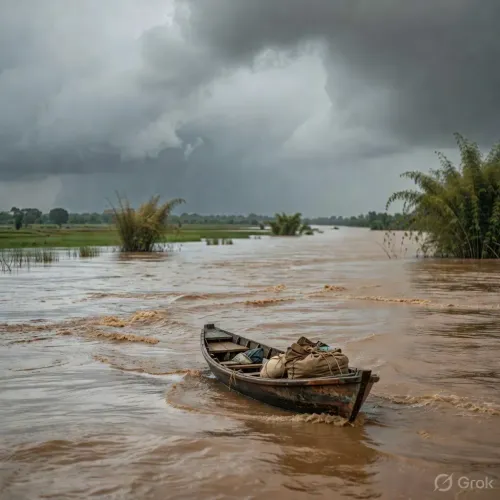
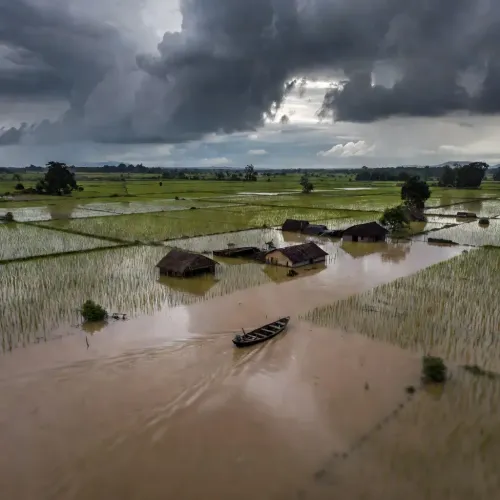
Dhemaji, located in the northern plains of Assam along the Brahmaputra river basin, is among the most flood-prone districts in the state, regularly inundated during the June-September monsoon season. The district's low-lying geography and proximity to the Subansiri and Ranganadi rivers make it particularly vulnerable to annual flooding, often displacing tens of thousands of residents and damaging agricultural land and infrastructure.
Chief Minister Sarma confirmed that he briefed Home Minister Shah on the 'relief and rehabilitation measures presently underway', indicating that state machinery was already mobilised on the ground before the central government's outreach.
Policy Backdrop
Flood management in Assam falls under a shared framework between the state government and central agencies, including the National Disaster Management Authority (NDMA) and the National Disaster Response Force (NDRF). The Union Home Ministry coordinates disaster response at the national level, and the Home Minister's direct call to a state chief minister signals the seriousness with which the Centre is treating the evolving situation.
The State Disaster Response Fund (SDRF) and National Disaster Response Fund (NDRF) are the primary financial instruments through which the Government of India channels assistance to flood-hit states. Shah's assurance of 'all possible support and assistance from the Government of India' suggests that additional central resources — including NDRF deployments or financial releases — could follow.
Stakeholders and Impact
Dhemaji district's population, including farming communities dependent on the kharif crop cycle, faces the most immediate impact from flooding. Damage to embankments, roads, and bridges in this region typically compounds the humanitarian crisis by cutting off access for rescue and supply teams.
The political dimension is also notable: direct ministerial communication between New Delhi and Dispur on a developing natural disaster underscores the working relationship between the BJP-led state government and the Union government. For residents and local administrators in Dhemaji, the Centre's assured support could translate into faster deployment of NDRF teams, emergency rations, and financial relief packages.
What's Next
The Chief Minister's post, pinned to his official X profile, suggests this communication is being treated as a significant development worth sustained public attention. Formal central assistance — whether in the form of NDRF teams, advance SDRF releases, or a central team visit to assess damage — is expected to follow Shah's assurance.
As the monsoon season deepens through July and August, Assam's flood management capacity will continue to be tested across multiple districts. The Centre's early engagement with the Dhemaji situation may set the tone for how the Union government responds to what is historically one of India's most flood-affected states in the weeks ahead.
Point of View
And reinforcing the narrative of seamless BJP coordination between New Delhi and Dispur. The assurance of 'all possible support' carries political weight ahead of a monsoon season that will test Assam's disaster infrastructure across multiple districts. How swiftly tangible central resources reach Dhemaji will determine whether this exchange translates into meaningful relief or remains a gesture of solidarity.
NationPress
27 Sept 2026
Frequently Asked Questions
Why did Amit Shah call Assam CM Himanta Biswa Sarma?
Home Minister Amit Shah called CM Himanta Biswa Sarma to personally enquire about the flood situation in Dhemaji district and to assure the state of full central government support for relief and rehabilitation.
Which district in Assam is affected by floods in June 2026?
Dhemaji district in northern Assam is the flood-affected area referenced in CM Sarma's post, a region historically prone to annual inundation due to its proximity to the Brahmaputra river basin.
What central support can Assam expect for flood relief?
Home Minister Shah assured 'all possible support and assistance from the Government of India,' which typically includes NDRF team deployments, advance releases from the National Disaster Response Fund, and central assessment visits.
What relief measures are underway in Dhemaji?
CM Sarma briefed the Home Minister that relief and rehabilitation measures were already underway in Dhemaji, though specific details of those operations were not disclosed in the public post.
How often does Dhemaji face flooding?
Dhemaji is one of Assam's most flood-prone districts, regularly inundated every monsoon season between June and September due to its low-lying terrain and proximity to the Subansiri and Ranganadi rivers.