CM Himanta Recalls Doordarshan Sundays on World Television Day
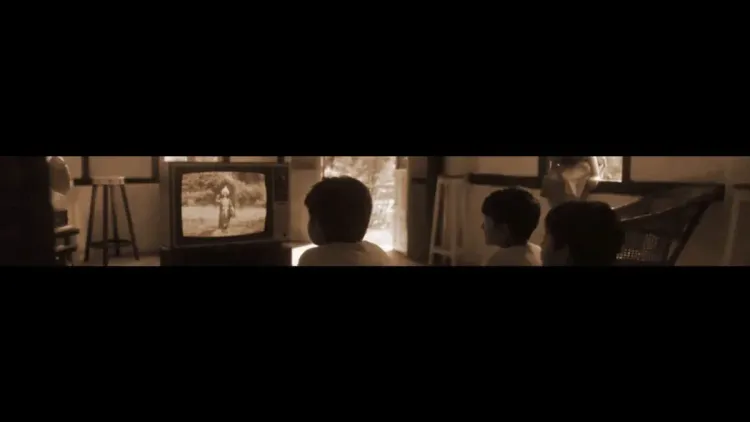
Synopsis
Assam Chief Minister Himanta Biswa Sarma marked World Television Day on 21 November 2026 by evoking the shared nostalgia of Doordarshan's Sunday programming, tracing India's television journey from a state-broadcast monopoly to the streaming age.
Key Takeaways
Himanta Biswa Sarma posted a tribute on World Television Day, 21 November 2026 , recalling the Doordarshan Sunday viewing experience.
Doordarshan was established in 1959 and held a monopoly over Indian television through the pre-liberalisation era.
Economic liberalisation after 1991 opened India's airwaves to private and satellite broadcasters, ending Doordarshan's dominance.
World Television Day is observed on 21 November every year, instituted by the UN to commemorate the first World Television Forum of 1996 .
India's television market has since shifted significantly toward digital streaming platforms, transforming viewing habits across generations.
Before the remote had a hundred channels to scroll through, there was just one screen, one schedule, and one unmissable Sunday — and Assam Chief Minister Himanta Biswa Sarma brought that feeling rushing back on World Television Day, 21 November 2026, with a warm tribute to the era that shaped a generation of Indian viewers.
Sarma's post captured a sentiment instantly recognisable to millions: 'Remember the Doordarshan days, Sundays and the excitement of waiting for our favourite shows? Television has come a long way, but those memories remain timeless.' Short, unhurried, and entirely human — it was a reminder that the medium's most enduring power has always been emotional, not technological.
When Doordarshan was the only show in town
Doordarshan, India's national public broadcaster, launched in 1959 and for decades held an absolute monopoly over Indian television. Sunday programming was a cultural event in itself — families gathered, neighbours visited, and the anticipation of a favourite serial or film was something genuinely shared across the country.
That era ended sharply after 1991, when economic liberalisation cracked open India's airwaves to private and satellite broadcasters. The monopoly dissolved, the channel count exploded, and 'appointment viewing' gave way to an ever-expanding menu of choice.
From state broadcast to streaming: a 65-year arc
World Television Day is observed every 21 November, a date chosen by the United Nations to mark the first World Television Forum held in 1996. The observance recognises television's role not just as entertainment but as a medium for information, education, and cultural exchange.
India's journey from a single Doordarshan channel to a market now dominated by digital streaming platforms is one of the sharper transformations in global media. The same middle-class households that once planned their Sundays around the DD schedule now navigate algorithms and subscription queues — a shift that happened within a single lifetime for most Indian adults.
Nostalgia, in that light, is not mere sentiment. It is a precise measurement of how fast the world moved.
Point of View
The Doordarshan reference also carries an implicit nod to the network's revived centrality under the current political dispensation, which has invested in Prasar Bharati's reach and relevance. The post avoids any policy prescription, keeping the register personal and apolitical — but the choice of medium to celebrate is never entirely neutral. It reflects a broader pattern of senior leaders using cultural memory to build emotional common ground with audiences who now consume news and entertainment in radically different ways.
NationPress
21 Nov 2026
Frequently Asked Questions
Why is World Television Day celebrated on 21 November?
World Television Day is observed on 21 November each year because the United Nations held its first World Television Forum on that date in 1996 , recognising television's growing influence on global information and culture.
What is Doordarshan and when was it founded?
Doordarshan is India's national public service broadcaster, founded in 1959 . It operates under Prasar Bharati and held a monopoly over Indian television until economic liberalisation opened the sector to private channels after 1991 .
What did CM Himanta Biswa Sarma post on World Television Day 2026?
Assam Chief Minister Himanta Biswa Sarma posted a nostalgic tribute recalling the excitement of Doordarshan Sunday programming, saying 'those memories remain timeless' while celebrating television's role in Indian cultural life.
How did Indian television change after 1991?
After 1991 , India's economic liberalisation ended Doordarshan 's broadcast monopoly, allowing private and satellite channels to enter the market. The country's television landscape expanded rapidly, eventually shifting further toward digital streaming platforms.
What is Himanta Biswa Sarma's role in northeast India politics?
Himanta Biswa Sarma is the Chief Minister of Assam and a senior BJP leader. He also serves as the convenor of the North-East Democratic Alliance (NEDA) , making him one of the most influential political figures in northeast India.