CM Saini Champions Millet Biscuits and Khapli Wheat
Synopsis
Haryana Chief Minister Nayab Singh Saini on 21 November 2026 used X to ask followers whether they had tried biscuits made from bajra and khapli wheat, amplifying India's broader push to revive nutritious, climate-resilient heritage grains.
Key Takeaways
Haryana CM Nayab Singh Saini posted on 21 November 2026 asking followers to try biscuits made from bajra (pearl millet) and khapli (emmer) wheat.
Khapli wheat is a low-gluten, high-fibre heritage variety largely sidelined after the Green Revolution; bajra is a drought-tolerant dryland staple.
India observed the International Year of Millets in 2023 , a UN-recognised campaign championed by India to revive millet production and consumption globally.
Haryana has been encouraged to expand millet cultivation area through state agriculture and horticulture missions as part of a groundwater and nutrition security strategy.
Social-media outreach by state leaders is a deliberate part of India's demand-side strategy to shift urban consumer preferences toward heritage grains.
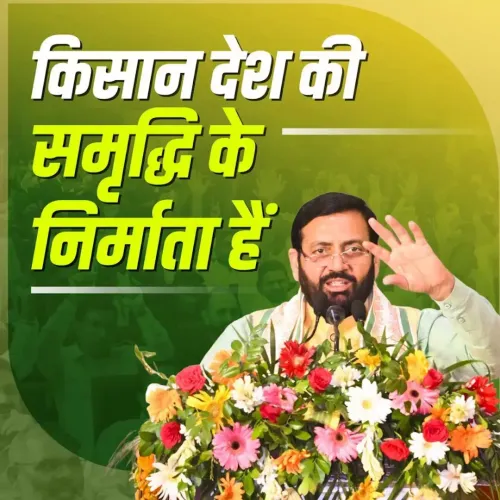
A casual question from Haryana Chief Minister Nayab Singh Saini on Saturday, 21 November 2026 turned into a nudge for a quieter food revolution — one baked in bajra and khapli wheat, not refined flour.
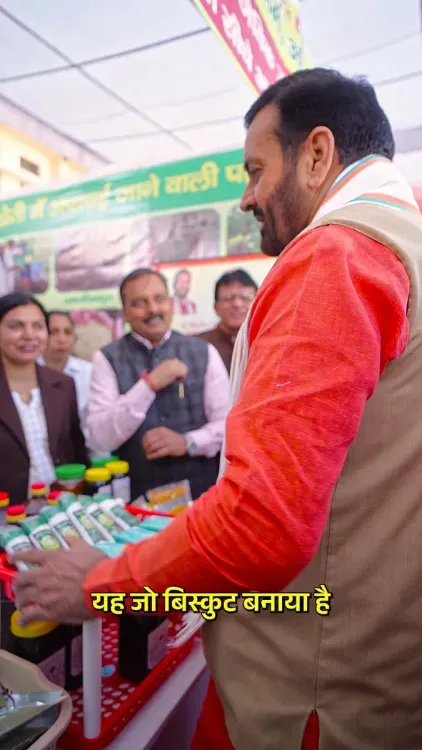
Posting on X, Saini asked his followers — in a tone equal parts playful and pointed — 'Biscuit toh bahut khaye honge, ye bajre aur khapli gehun wale try kiye kabhi?' ('You must have eaten plenty of biscuits — have you ever tried the ones made from bajra and khapli wheat?'). The post, accompanied by a video, carried cookie and wheat emojis and landed firmly in the growing national conversation around heritage grains.
What Makes Khapli Wheat and Bajra Different
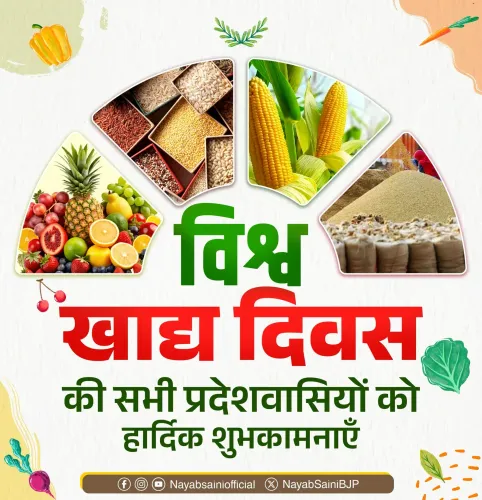
Bajra (pearl millet) and khapli (emmer wheat) are among India's oldest cultivated grains. Khapli wheat is a low-gluten, high-fibre variety that was largely displaced by high-yield modern wheat strains after the Green Revolution. Bajra has long been a staple of Haryana's dryland farming belt. Both are considered nutritionally dense and far less glycaemically aggressive than white-flour products — which is precisely why health researchers and agricultural policymakers have been pushing for their revival.
The appeal is not only nutritional. These crops are significantly more climate-resilient than conventional wheat and rice, requiring less water and fewer chemical inputs — a critical consideration for a state like Haryana, which sits at the epicentre of India's groundwater depletion crisis.
India's Millet Push and Haryana's Role
India's sustained campaign to revive millets and heritage grains gained global momentum when 2023 was observed as the International Year of Millets, a designation India championed at the United Nations. State governments, including Haryana's, were encouraged through horticulture and agriculture missions to expand cultivated area under these crops and seed urban consumer demand.
Saini's post is consistent with that broader outreach strategy — using social media to shift what urban and peri-urban consumers reach for in a snack aisle. The ask is deceptively simple: next time you pick up a biscuit, make it one your grandfather's field could have produced.
Millet-based processed foods — cookies, bread, pasta — have quietly expanded across Indian retail shelves in the last three years. The challenge has always been demand, not supply. When a sitting Chief Minister asks a pointed question to hundreds of thousands of followers, that is a form of demand-side policy in a 280-character packet.
Whether Haryana formalises this push with dedicated millet-processing clusters or institutional tie-ups with the bakery industry in the coming state budget cycle remains to be watched — but the direction of travel, from the farm to the biscuit tin, is unmistakable.
Point of View
The CM lowers the barrier for urban followers to try products that government schemes have struggled to mainstream through formal channels. It also signals that Haryana's political leadership is quietly aligning with the Centre's post-2023 millet narrative — keeping the state relevant in a national agri-branding story. The bigger question is whether this social-media warmth will be backed by concrete supply-chain investment, such as processing clusters or institutional procurement, in the next budget.
NationPress
21 Nov 2026
Frequently Asked Questions
What is khapli wheat and why is it considered healthy?
Khapli, or emmer wheat, is an ancient low-gluten, high-fibre grain that was widely grown in India before high-yield modern varieties took over after the Green Revolution. It has a lower glycaemic index than refined wheat flour, making it popular among health-conscious consumers and diabetics.
What did Haryana CM Nayab Singh Saini post about millets?
On 21 November 2026, Saini posted on X asking his followers whether they had ever tried biscuits made from bajra (pearl millet) and khapli wheat, encouraging a shift away from conventional refined-flour snacks.
What was India's International Year of Millets?
India successfully lobbied the United Nations to declare 2023 the International Year of Millets. The campaign aimed to boost global production, consumption, and value-addition of millets as nutritious and climate-resilient crops, with India positioning itself as the leading producer and promoter.
Is bajra grown in Haryana?
Yes, bajra (pearl millet) has historically been cultivated in Haryana's dryland and semi-arid farming belts. State agricultural missions have been encouraging farmers to expand bajra cultivation as it requires significantly less water than paddy or conventional wheat.
Are millet-based biscuits and snacks available in India?
Yes, millet-based processed foods including cookies, biscuits, bread, and pasta have expanded across Indian retail shelves significantly since 2021-23, driven by health trends and government promotional campaigns, though mainstream consumer adoption remains a work in progress.