CM Himanta Unveils Tax-Neutral Assam Budget 2026 With New Green Cess
Synopsis
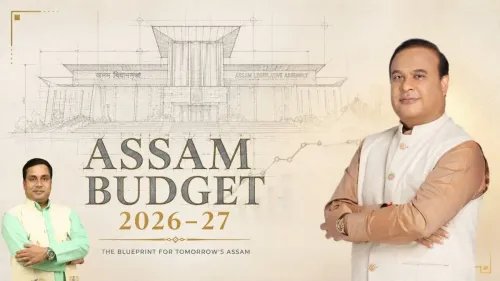
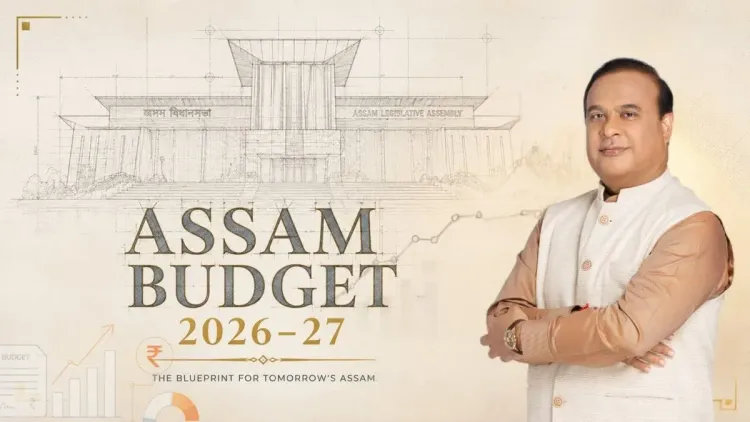
Chief Minister Himanta Biswa Sarma unveiled Assam Budget 2026 as tax-neutral, with no new taxes, while introducing a first-ever Green Cess whose proceeds will fund plantation drives and pollution control across the state.
Key Takeaways
Assam Budget 2026 is tax-neutral — no new taxes have been introduced for the 2026-27 financial year.
For the first time, Assam proposes a Green Cess , a dedicated environmental levy.
All proceeds from the Green Cess will be earmarked exclusively for plantation initiatives and pollution control.
Himanta Biswa Sarma announced the budget's key features during a media interaction on 10 July 2026 .
The move aligns Assam with a broader national pattern of sub-national governments embedding green spending into annual budgets.
Exact rate structure and collection mechanism of the Green Cess are yet to be detailed in official documents.
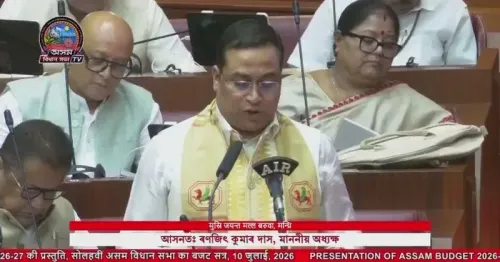
The Chief Minister's Office of Assam announced on Friday, 10 July 2026 that Chief Minister Dr. Himanta Biswa Sarma highlighted the key features of the Assam Budget 2026 during a media interaction, underscoring that the budget introduces no new taxes and, for the first time, proposes a Green Cess whose proceeds will fund plantation drives and pollution control.
Context
Speaking to the media, CM Himanta Biswa Sarma described the Assam Budget 2026 as tax-neutral, meaning the state government has refrained from imposing any fresh tax burden on residents or businesses. The budget's headline fiscal commitment is to maintain revenue stability without squeezing taxpayers, a posture the Chief Minister emphasised as a deliberate policy choice.
Alongside tax neutrality, the budget breaks new ground by introducing a Green Cess — a first-of-its-kind environmental levy for Assam. The Chief Minister's Office stated that all proceeds collected under this cess will be exclusively directed toward plantation initiatives aimed at supporting environmental sustainability and helping control pollution across the state.
Policy Backdrop
Indian states have periodically introduced earmarked cesses for specific environmental or welfare objectives since the 2000s, and Assam's move fits squarely within that tradition. State budgets across the country have increasingly incorporated targeted levies to fund sustainability measures while keeping the overall tax structure stable — a balancing act between revenue adequacy and green ambitions.
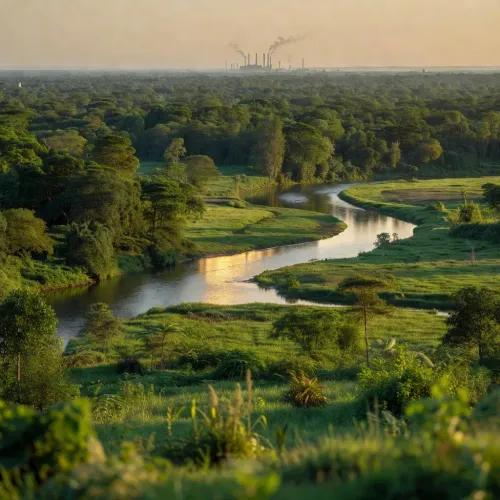
Assam, a northeastern state with significant forest cover, biodiversity, and river ecosystems, has particular ecological stakes in pollution control and afforestation. The introduction of a dedicated Green Cess signals an intent to institutionalise environmental spending rather than rely on discretionary allocations, aligning state fiscal policy with broader national climate and pollution-control priorities.
Stakeholders and Impact
Assam taxpayers will note the government's commitment to no new taxes, which insulates households and businesses from additional fiscal pressure in the 2026-27 financial year. The tax-neutral stance is likely to be welcomed by industry and small traders who have faced cost pressures in recent years.
Polluting industries and plantation agencies are the most directly affected stakeholders under the Green Cess proposal. While the exact rate structure and collection mechanism have not yet been detailed in publicly available documents, the cess is expected to create a dedicated funding stream for state-run and agency-led plantation projects. Environmental groups and local communities in ecologically sensitive zones of Assam stand to benefit from the afforestation and pollution-mitigation programmes the cess is intended to finance.
What's Next
The specifics of the Green Cess — including its rate, the categories of entities liable to pay it, and the governance structure for disbursing plantation funds — are expected to emerge through official budget documents and any follow-up legislation or implementation guidelines issued by the Assam finance department. Scrutiny from the state legislature and public consultations will shape the final contours of the levy.
More broadly, the Assam Budget 2026 will be watched as a test case for whether a tax-neutral fiscal stance can coexist with meaningful environmental investment at the sub-national level — a model other Indian states may study as they navigate similar pressures.
Frequently Asked Questions
What is the Assam Budget 2026 Green Cess?
The Green Cess is a first-of-its-kind environmental levy proposed in Assam Budget 2026 . All proceeds collected under it will be used exclusively for plantation initiatives and pollution control measures across the state.
Does Assam Budget 2026 introduce any new taxes?
No. CM Himanta Biswa Sarma explicitly stated that the Assam Budget 2026 is tax-neutral, meaning no new taxes have been imposed on residents or businesses for the 2026-27 financial year.
What will the Green Cess money be used for in Assam?
The proceeds of the Green Cess are earmarked for plantation drives and pollution control programmes, aimed at supporting environmental sustainability in Assam .
Who announced the Assam Budget 2026 features?
Chief Minister Dr. Himanta Biswa Sarma highlighted the key features of the Assam Budget 2026 during a media interaction, with the announcement shared by the Chief Minister's Office of Assam on 10 July 2026 .
Is a Green Cess new in Indian state budgets?
Earmarked cesses for environmental or welfare purposes are not entirely new in India, but the Green Cess proposed in Assam Budget 2026 is described as a first for the state, fitting a broader national pattern of sub-national green fiscal measures.