Assam Budget 2026: Green Cess on Polluters to Fund Climate Action

Synopsis
Assam's 2026 budget introduces a Green Cess on stone crushers, brick kilns, coke-based industries, second-hand vehicle transfers, and commercial groundwater extraction. Proceeds will fund afforestation, pollution control, biodiversity conservation, climate adaptation, green energy, and sustainable infrastructure across the state.
Key Takeaways
The Assam Budget 2026 introduces a Green Cess on identified polluting industries and activities.
Sectors covered include stone crushers , coke-based industries , brick kilns , commercial groundwater extraction , and second-hand vehicle transfers .
Cess proceeds are ring-fenced for afforestation , pollution control , biodiversity conservation , climate adaptation , green energy , and sustainable infrastructure .
The government retains authority to expand the cess to 'other notified polluting activities' through executive notification.
Specific cess rates and detailed implementation rules are yet to be notified following formal legislative passage.
The measure aligns with India's net-zero 2070 target and Assam's existing state climate action plan.
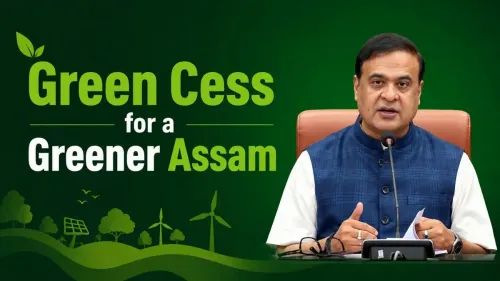
The Chief Minister's Office of Assam announced on Friday, 10 July 2026 that the Assam Budget 2026 will introduce a Green Cess — a dedicated environmental levy targeting industries and activities identified as significant pollution sources across the state.
What the Green Cess Covers
The cess will be levied on a defined set of high-impact activities: stone crushers, coke-based industries, brick kilns, transfer of second-hand vehicles, commercial groundwater extraction, and other notified polluting activities. The announcement positions these sectors as the primary contributors to environmental degradation that the levy seeks to address. The list of 'other notified polluting activities' leaves room for the government to expand the cess base through subsequent executive notifications.How the Proceeds Will Be Used
Revenue collected under the Green Cess is earmarked for a basket of environmental and infrastructure priorities: afforestation, pollution control, biodiversity conservation, climate adaptation, green energy, and sustainable infrastructure. By ring-fencing the funds, the government signals intent to create a dedicated green corpus rather than route proceeds into the consolidated revenue fund. This structure mirrors India's earlier experience with the Clean Energy Cess on coal, introduced in the 2010 Union Budget, which earmarked funds for clean energy research and initiatives.Policy Backdrop
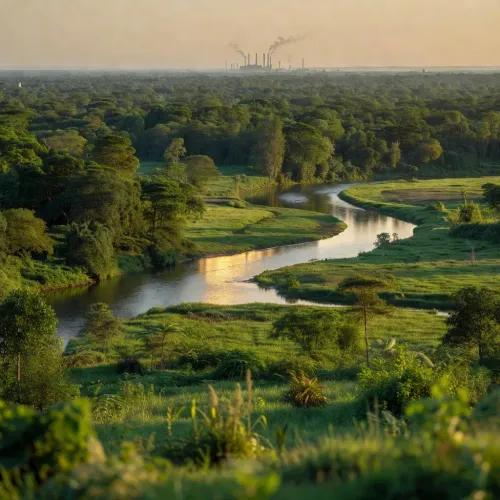
Assam is a state with significant biodiversity assets — including the Kaziranga National Park and the Brahmaputra river basin — alongside a growing industrial footprint in stone quarrying, brick manufacturing, and extractive industries common to the Northeast. Indian states have increasingly moved toward targeted environmental levies within annual budgets to address localised pollution sources, in step with national climate commitments including India's net-zero target of 2070. Assam's state-level action plan on climate change has for years identified industrial pollution and land-use change as priority concerns. The Green Cess, if enacted, would give the state a dedicated fiscal instrument to operationalise those commitments. Chief Minister Himanta Biswa Sarma, who has led the state since May 2021, has framed environmental governance as a component of Assam's broader development agenda.Stakeholders and Impact
The levy directly affects industrial operators — particularly those running stone crushers, brick kilns, and coke-based units — as well as commercial groundwater extractors and second-hand vehicle buyers and sellers. Small and medium enterprises in these segments, which form a significant share of the Northeast's informal industrial economy, will face an additional cost that could be passed on to end consumers. Environmental groups and conservation bodies are likely to welcome the ring-fenced fund structure, while industry associations may seek clarity on rates and the scope of 'other notified activities' before the budget is formally passed.What's Next
The announcement is part of the Assam Budget 2026 highlights, meaning formal passage through the state legislature and the notification of specific cess rates, eligible activities, and fund utilisation guidelines remain pending. The granular rules — including the rate of cess per unit of activity and the institutional mechanism for fund deployment — will determine the levy's real-world impact on both industry compliance costs and environmental outcomes. Observers will watch for whether the government constitutes a dedicated green fund authority or routes proceeds through existing departmental channels.Point of View
Moving beyond policy declarations into dedicated fiscal instruments. The ring-fencing of proceeds for climate and biodiversity purposes is structurally sound, but the levy's credibility will hinge on transparent fund governance and timely rate notifications — both of which remain undefined. Politically, the announcement allows Chief Minister Himanta Biswa Sarma to project an environmentally conscious budget identity at a time when climate finance is a growing electoral and governance concern. The broader pattern of Indian states adopting green cesses suggests this could become a template, but execution gaps in similar past instruments warrant scrutiny.
NationPress
8 Oct 2026
Frequently Asked Questions
What is the Assam Green Cess announced in Budget 2026?
The Assam Green Cess is a new environmental levy introduced in the Assam Budget 2026, charged on polluting activities such as stone crushers, brick kilns, coke-based industries, commercial groundwater extraction, and second-hand vehicle transfers. The revenue is earmarked exclusively for environmental and climate purposes.
Who will pay the Green Cess in Assam?
Industrial operators running stone crushers, coke-based units, and brick kilns will be liable, as will businesses engaged in commercial groundwater extraction. Individuals or entities involved in the transfer of second-hand vehicles will also be covered under the cess.
What will the Assam Green Cess money be used for?
Proceeds from the Green Cess will fund afforestation, pollution control, biodiversity conservation, climate adaptation measures, green energy projects, and sustainable infrastructure development across Assam.
What is the rate of the Green Cess in Assam Budget 2026?
Specific cess rates have not yet been notified. The Assam Budget 2026 announced the framework and covered sectors; detailed rates and implementation rules will be issued after formal legislative passage.
How does Assam's Green Cess compare to India's Clean Energy Cess?
India's Clean Energy Cess, introduced in 2010 on coal production, was an early example of ring-fenced environmental taxation at the national level. Assam's Green Cess follows a similar design principle — dedicated levy on polluting activities with proceeds earmarked for environmental purposes — but operates at the state level and targets a broader set of local industries.