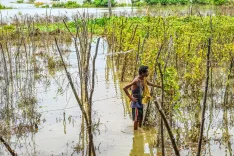
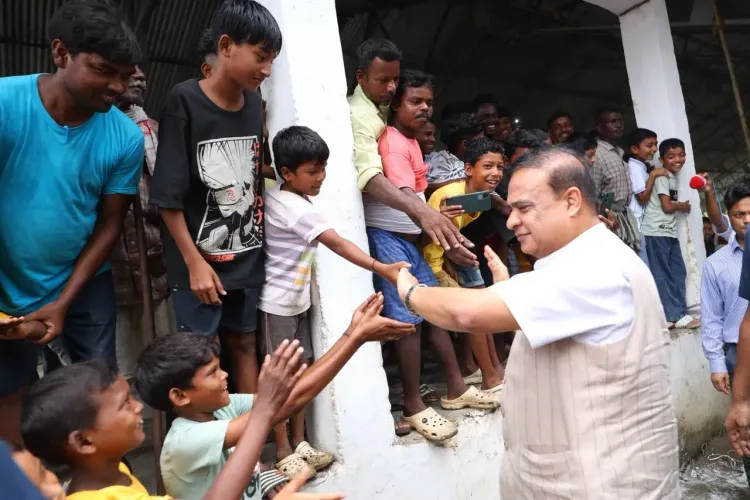
CM Himanta visits flood-hit Nepaliikhuti in Assam
Synopsis
Chief Minister Dr. Himanta Biswa Sarma visited flood-hit Nepaliikhuti in Assam on 3 August 2026, meeting affected families as part of the state government's monsoon disaster response. Assam faces recurrent Brahmaputra flooding each year, with senior official visits a standard part of relief coordination.
Key Takeaways
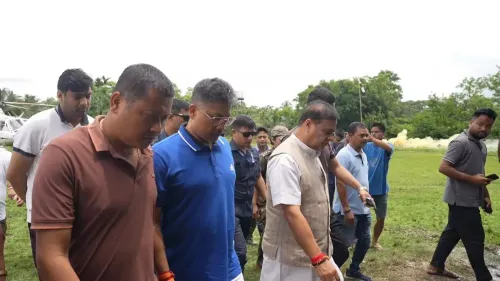
Himanta Biswa Sarma visited the flood-affected Nepaliikhuti area on 3 August 2026 .
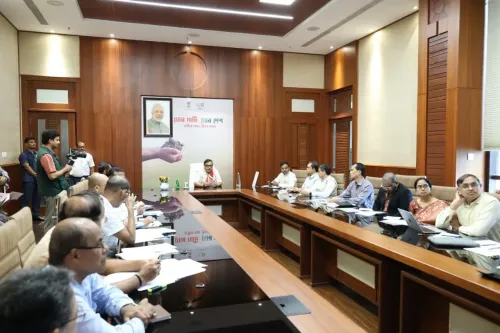
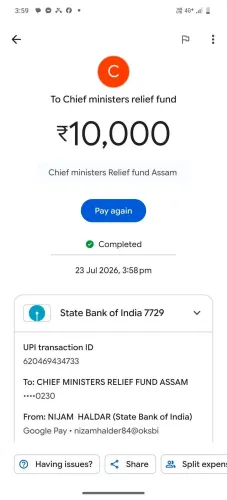
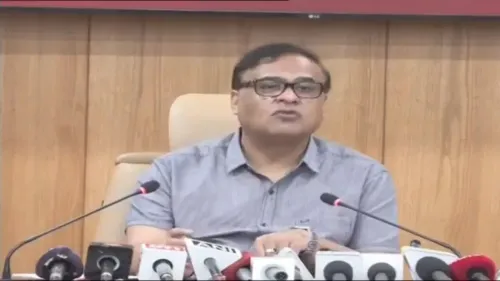
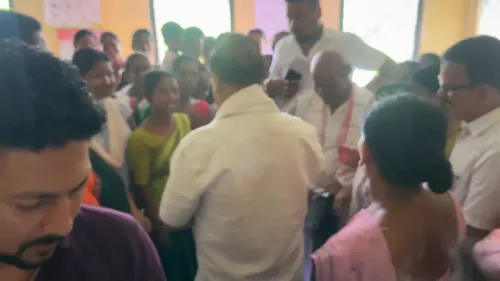
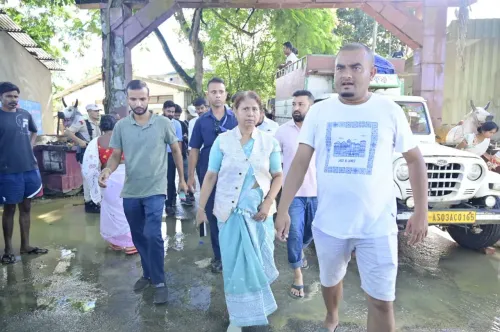
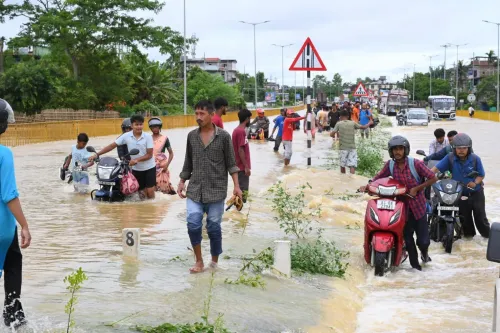
The visit was confirmed by the Chief Minister's Office of Assam via an official post accompanied by four images.
The stated purpose was to stand with and assess the situation of flood-affected families .
Assam faces annual monsoon flooding driven by the Brahmaputra River and its tributaries, displacing large numbers of residents each year.
On-ground visits by the Chief Minister are a standard part of Assam's disaster response framework under the current administration.
When the floodwaters rise in Assam, the question is never if communities will be submerged — it is how fast the state will respond. On Monday, 3 August 2026, Chief Minister Dr. Himanta Biswa Sarma visited the flood-affected Nepaliikhuti area, stepping into one of the many communities that monsoon flooding has once again overwhelmed across the state.
Boots on the ground at Nepaliikhuti
The Chief Minister's Office confirmed the visit, stating the CM was 'standing with flood-affected families' — signalling a hands-on posture from the state government at a time when relief coordination is most critical. Nepaliikhuti, a locality bearing the brunt of this season's inundation, became the focal point of the day's outreach. Such on-ground visits by senior officials are a key mechanism for assessing damage, fast-tracking relief, and signalling state presence to distressed communities.
Assam's annual reckoning with the Brahmaputra
Assam's flooding is not an anomaly — it is a calendar event. The Brahmaputra River and its vast network of tributaries swell every monsoon season, routinely displacing hundreds of thousands of residents across the state's low-lying districts. The state government, under Dr. Sarma's leadership since 2021, has repeatedly deployed senior officials to flood-hit zones as part of its disaster response framework, combining ground-level assessment with coordination of relief distribution. The pattern is consistent: when the waters rise, leadership visits follow.
The Nepaliikhuti visit underscores that dynamic. With affected families facing loss of shelter, livelihoods, and access to basic services, the Chief Minister's presence is both a logistical signal — that relief machinery is being activated — and a political one, that the administration is visible and accountable in the crisis.
Relief measures and follow-up aid distribution in the area will be the next metric by which this response is judged.
Point of View
Reinforcing the image of an accessible, responsive government. For a state where flooding is a structural annual crisis rather than an exceptional event, how quickly and visibly the administration responds has become a key measure of governance credibility. The real test, however, will be whether this visit translates into sustained, targeted relief for Nepaliikhuti's residents rather than a single-day optic.
NationPress
3 Aug 2026
Frequently Asked Questions
Why did CM Himanta Biswa Sarma visit Nepaliikhuti?
CM Dr. Himanta Biswa Sarma visited Nepaliikhuti on 3 August 2026 to meet flood-affected families and oversee the state government's disaster response in the area, which was hit by monsoon flooding.
Where is Nepaliikhuti in Assam?
Nepaliikhuti is a locality in Assam that was affected by the 2026 monsoon floods. The Chief Minister's visit on 3 August 2026 brought it into focus as one of the flood-hit communities requiring relief attention.
How often does Assam face flooding?
Assam faces recurrent monsoon flooding every year, driven primarily by the Brahmaputra River and its tributaries. The annual floods routinely displace large numbers of residents across the state's low-lying districts.
What does the Assam CM do during flood visits?
During flood visits, the Chief Minister typically assesses damage on the ground, coordinates with local administration on relief distribution, and meets affected families — combining disaster management with direct community engagement.
What relief measures are expected after the CM's Nepaliikhuti visit?
Following such visits, the state government typically follows up with aid distribution and relief coordination. Specific measures for Nepaliikhuti will depend on the assessment made during the 3 August 2026 visit.