CM Pema Khandu closes ITM 2026 in Tawang, eyes tourism surge
Synopsis
Arunachal Pradesh CM Pema Khandu closed the 14th International Tourism Mart 2026 in Tawang, calling for the mart's connections to drive tourist footfall, investments, and livelihood opportunities for the state's youth and border communities.
Key Takeaways
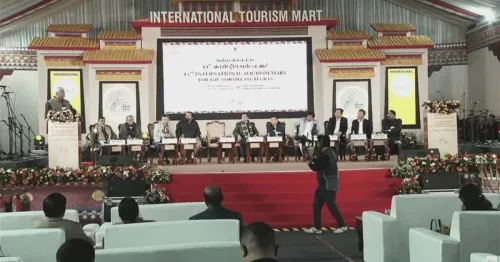
The 14th International Tourism Mart 2026 concluded in Tawang, Arunachal Pradesh on October 31, 2026 .
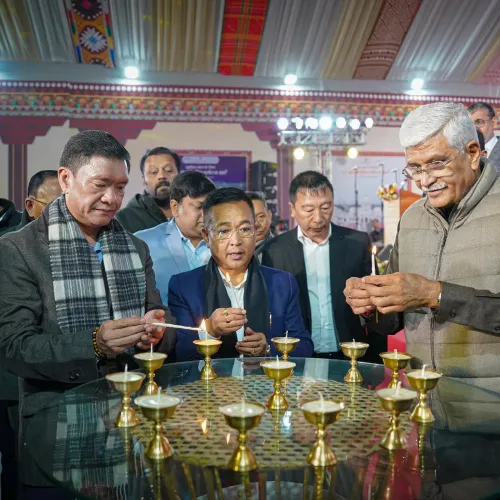
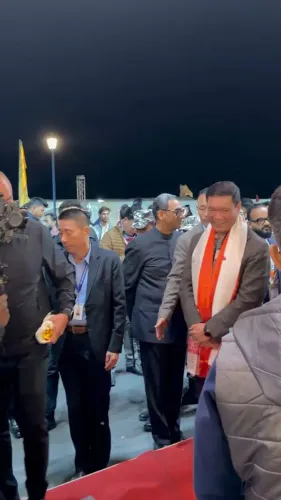
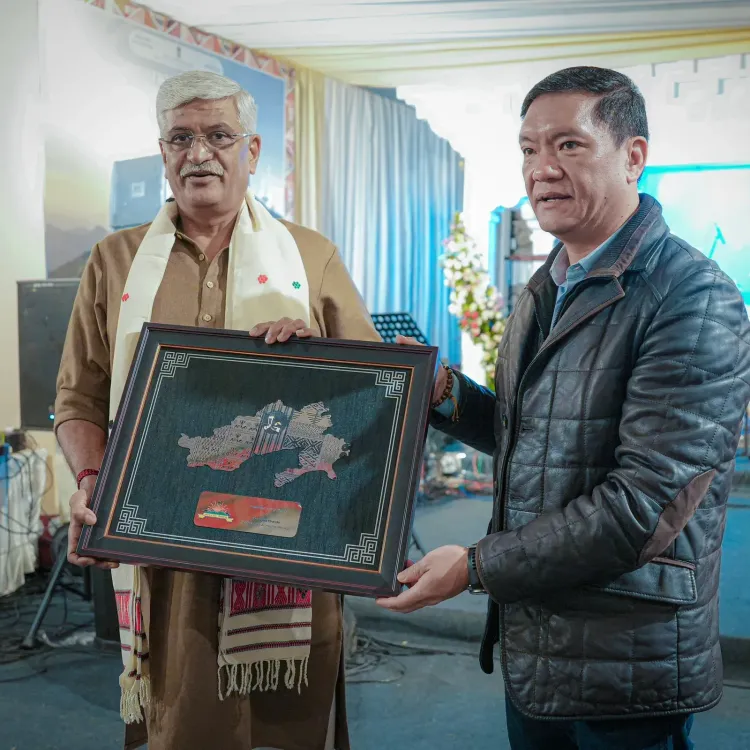
CM Pema Khandu shared closing ceremony visuals and called for tangible outcomes in tourist footfall, investments, and youth employment.
The Ministry of Tourism has organised the International Tourism Mart annually since 2013 , with multiple editions held in Northeast states.
Tawang hosts the Tawang Monastery, one of the world's largest Buddhist monasteries, and sits near the India-China border .
The event aligns with India's Act East Policy , which frames the Northeast as an economic and diplomatic gateway.
The Incredible India campaign provides national branding support for ITM, boosting its international trade reach.
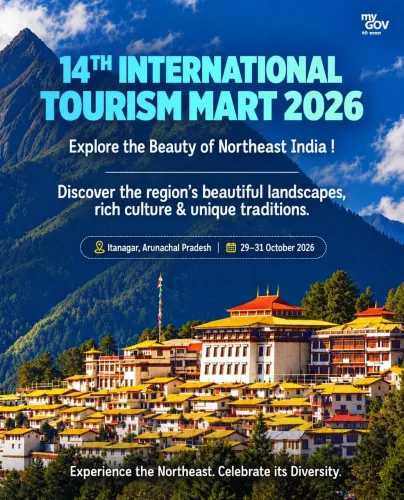
The high-altitude town of Tawang drew the curtain on the 14th International Tourism Mart 2026 on Saturday, October 31, as Arunachal Pradesh Chief Minister Pema Khandu shared closing ceremony glimpses and urged that the connections forged at the mart translate into real tourist arrivals, fresh investments, and livelihoods for the state's youth.
Tawang as centrepiece, not backdrop
Choosing Tawang as the venue was itself a statement. Home to the Tawang Monastery — one of the largest Buddhist monasteries in the world outside Tibet — and nestled against the India-China border, the district carries cultural weight that few Indian destinations can match. Hosting an international mart there elevates it from a heritage talking point to an active investment destination.
CM Khandu described ITM 2026 as 'another opportunity to showcase the immense tourism potential of Arunachal Pradesh and the Northeast,' signalling that the state views such platforms not as one-off ceremonies but as recurring engines of visibility and capital inflow.
Fourteen editions, a steady Northeast push
The Ministry of Tourism has organised the International Tourism Mart annually since 2013, deliberately rotating editions across Northeast states to shift the global travel gaze from established circuits — Rajasthan, Kerala, Goa — toward emerging eco-tourism and tribal-culture destinations. Arunachal Pradesh, India's northeasternmost state bordering China, Bhutan, and Myanmar, is rich in biodiversity and indigenous communities that form the backbone of any sustainable tourism model.
The mart's design is deliberate: bring together domestic and international travel trade representatives, government stakeholders, and community entrepreneurs in one room, and let the geography sell itself. That the 14th edition landed in Tawang underscores how seriously the Centre is leaning into the Northeast under the Act East Policy — the strategic framework that treats India's eastern frontier as an economic and diplomatic gateway, not a peripheral concern.
Youth livelihoods and the 'Incredible India' promise
Khandu's closing message zeroed in on three outcomes: tourist footfall, new investments, and livelihood opportunities for Arunachal's youth. That sequencing matters. Footfall drives demand; investment builds the infrastructure to handle it; and sustainable livelihoods ensure border communities become stakeholders in growth rather than bystanders to it.
The Incredible India campaign, which provides the national branding architecture for events like ITM, has increasingly spotlighted Northeast destinations in its international outreach — a pivot that gives platforms like ITM 2026 commercial credibility beyond ceremonial goodwill.
The real test comes in the months ahead: whether the deals discussed in Tawang's monastery-shadowed meeting rooms turn into airline seat additions, resort investments, and homestay bookings for families across the Kameng, Siang, and Tawang valleys.
Point of View
The mart reinforces his administration's pitch that Arunachal Pradesh is open for business, not merely a frontier to be defended. The emphasis on youth livelihoods and community sustainability reflects a broader BJP governance narrative linking border-area development to national security. Watch whether post-mart investment commitments materialise: that conversion rate will define whether ITM becomes a launchpad or a recurring photo opportunity.
NationPress
31 Oct 2026
Frequently Asked Questions
What is the International Tourism Mart?
The International Tourism Mart is an annual event organised by India's Ministry of Tourism since 2013 to promote regional destinations — especially in the Northeast — to domestic and international travel trade stakeholders.
Where was ITM 2026 held?
The 14th International Tourism Mart 2026 was held in Tawang , a high-altitude district in Arunachal Pradesh known for its Buddhist monastery and border location.
What did CM Pema Khandu say at ITM 2026?
CM Pema Khandu called for the connections made at ITM 2026 to translate into greater tourist footfall, new investments, livelihood opportunities for Arunachal's youth, and sustainable growth for local communities.
Why is Tawang important for tourism?
Tawang is home to one of the world's largest Buddhist monasteries outside Tibet, offers unique tribal culture and Himalayan landscapes, and is emerging as a key eco-tourism and cultural destination in Northeast India.
How does ITM relate to India's Act East Policy?
Hosting international tourism events in Northeast states like Arunachal Pradesh directly supports the Act East Policy by developing the region's economy, improving connectivity, and positioning India's eastern frontier as a gateway for cultural and trade engagement.