GSLV-F18 launches NVS-03 satellite, PM Modi hails NavIC milestone
Synopsis
ISRO's GSLV-F18 lifted off at 11:51 pm IST on 31 October carrying NVS-03, the third second-generation NavIC satellite — and the one ISRO itself described as a 'rescue mission' for the constellation. With an indigenous atomic clock onboard and the newly added L1 signal, this launch doesn't just fill a gap; it meaningfully upgrades what NavIC can do and who can use it.
Key Takeaways
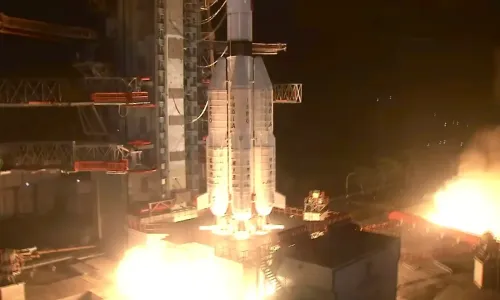
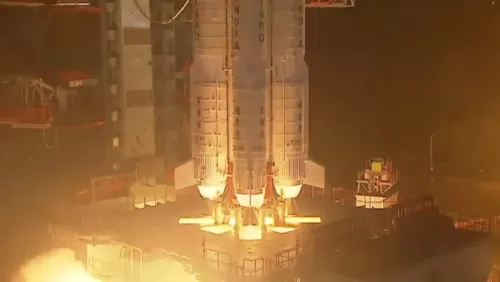
GSLV-F18 carrying NVS-03 lifted off from Satish Dhawan Space Centre, Sriharikota at 11:51 pm IST on 31 October 2026 .
The 2,232-kg satellite will be placed in a geosynchronous slot at 32.5 degrees East after orbit-raising manoeuvres.
NVS-03 adds the L1 navigation signal to NavIC's existing L5 and S signals , broadening device compatibility.
The satellite carries an indigenous atomic clock , marking a step forward in domestic precision technology.
PM Narendra Modi congratulated ISRO, calling the mission an important step in India's self-reliance in critical technologies.
ISRO plans five second-generation NavIC satellites in total; NVS-03 is the third, with two more launches remaining.
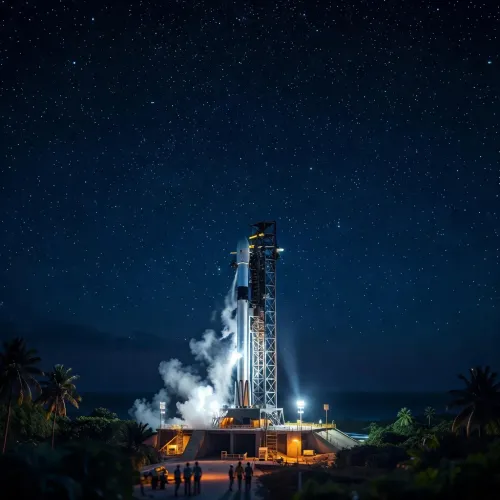
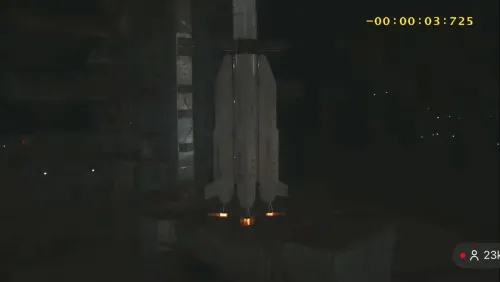
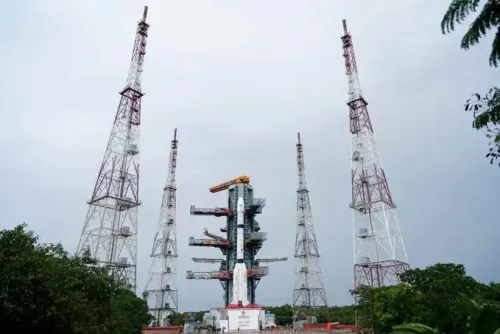
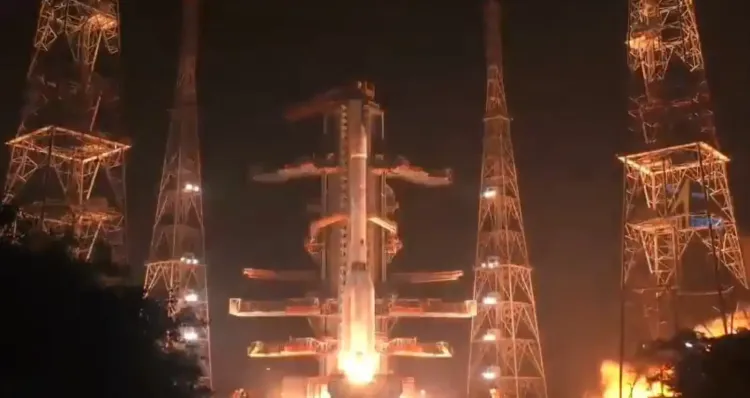
India's space programme added a significant chapter on Friday, 31 October 2026, as the Indian Space Research Organisation (ISRO) successfully launched the GSLV-F18 rocket carrying the next-generation navigation satellite NVS-03 from the Satish Dhawan Space Centre in Sriharikota, Andhra Pradesh. The liftoff took place at 11:51 pm IST from the Second Launch Pad, marking a critical step in reinforcing India's indigenous satellite navigation system, NavIC.
What the Mission Involves
The 50-metre-tall, three-stage GSLV-F18 rocket carried the 2,232-kg NVS-03 satellite with the objective of placing it into a Geosynchronous Transfer Orbit (GTO). Following deployment, the satellite will undertake a series of orbit-raising manoeuvres to reach its designated geosynchronous slot at 32.5 degrees East.
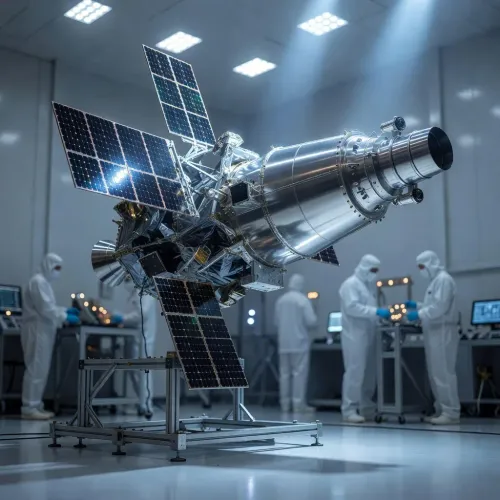
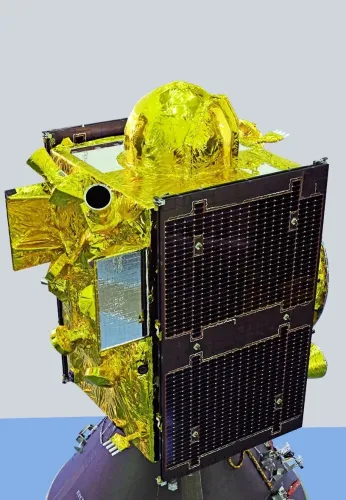
NVS-03 is the third satellite in the second-generation NVS series and is designed to augment the Navigation with Indian Constellation (NavIC) system, ensuring continuity of positioning and navigation services. Notably, the satellite carries an indigenous atomic clock alongside procured atomic clocks — a signal of growing domestic capability in precision timekeeping technology.
Enhanced Capabilities Under NavIC
A key upgrade aboard NVS-03 is the addition of the L1 navigation signal, complementing the existing L5 and S signals already broadcast by the NavIC constellation. This inclusion significantly broadens compatibility with consumer-grade devices, potentially enabling NavIC support on a wider range of smartphones and receivers.
NavIC is India's independent regional navigation satellite system, developed to provide accurate Position, Velocity and Timing (PVT) services across the country and a region extending approximately 1,500 km beyond the Indian landmass — covering South Asia and parts of the Indian Ocean region.
PM Modi Congratulates ISRO
Prime Minister Narendra Modi on Saturday congratulated the scientists and engineers behind the mission. In a post on X, Modi said: 'Congratulations to our scientists and engineers at ISRO on the successful launch of GSLV-F18 carrying NVS-03. This mission marks an important step in strengthening NavIC, our indigenous satellite navigation system. Equipped with enhanced capabilities, NVS-03 will further our pursuit of self-reliance in critical technologies and support navigation services that benefit our people. The dedication and ingenuity of our space scientists continue to make our nation proud.'
ISRO also confirmed the launch on X, stating: 'GSLV-F18 carrying NVS-03 lifts off from Satish Dhawan Space Centre, SHAR, Sriharikota,' and described the mission as 'ISRO's rescue mission for NavIC.'
Broader Context and Road Ahead
ISRO has planned a total of five second-generation navigation satellites to upgrade the existing NavIC constellation, introduce enhanced capabilities, and guarantee service continuity. NVS-03 is the third of those five, meaning two more launches remain in the pipeline.
This comes amid India's sustained push to reduce dependence on foreign satellite navigation systems such as the US-operated GPS, Russia's GLONASS, and China's BeiDou. With each successive NVS launch, NavIC's resilience and accuracy are incrementally strengthened — a priority that carries both civilian and strategic significance. The success of NVS-03 keeps India's self-reliance roadmap in space firmly on track.
Point of View
NavIC remained largely invisible to mainstream consumer hardware, limiting its real-world reach. Two more second-generation launches still await, and until all five are up, NavIC's edge over GPS dependency remains theoretical. India's space self-reliance narrative is credible in rocketry; in navigation, it is still a work in progress.
NationPress
31 Oct 2026
Frequently Asked Questions
What is the GSLV-F18 NVS-03 mission?
It is an ISRO mission launched on 31 October 2026 that placed the NVS-03 navigation satellite into orbit aboard the GSLV-F18 rocket. NVS-03 is the third second-generation satellite designed to augment and future-proof India's NavIC navigation system.
What is NavIC and why does it matter?
NavIC (Navigation with Indian Constellation) is India's indigenous regional satellite navigation system, providing Position, Velocity and Timing services across India and a region extending approximately 1,500 km beyond its borders. It is India's alternative to GPS and reduces dependence on foreign navigation infrastructure.
What is new about the NVS-03 satellite?
NVS-03 introduces the L1 navigation signal alongside the existing L5 and S signals, which significantly broadens compatibility with consumer devices. It also carries an indigenous atomic clock, advancing India's domestic capability in precision timing technology.
How many NavIC satellites are planned in the second-generation series?
ISRO has planned five second-generation NVS satellites in total. NVS-03 is the third to launch, meaning two more remain in the pipeline to complete the upgraded constellation.
What did PM Modi say about the GSLV-F18 launch?
Prime Minister Narendra Modi congratulated ISRO scientists and engineers on X, calling the mission 'an important step in strengthening NavIC' and saying NVS-03 would 'further India's pursuit of self-reliance in critical technologies.' He added that the dedication of India's space scientists 'continues to make our nation proud.'