CM Pema Khandu Hails Modi as India's Longest-Serving Elected PM

Synopsis
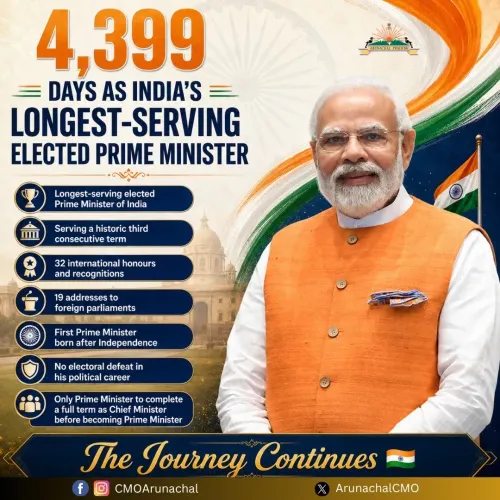
Arunachal Pradesh Chief Minister Pema Khandu on June 10, 2026, congratulated PM Narendra Modi on becoming India's longest-serving elected Prime Minister, citing a decade of infrastructure expansion, digital transformation, welfare delivery, and North East connectivity as defining achievements of his tenure.
Key Takeaways
CM Pema Khandu congratulated PM Narendra Modi on June 10, 2026 , on becoming India's longest-serving elected Prime Minister.
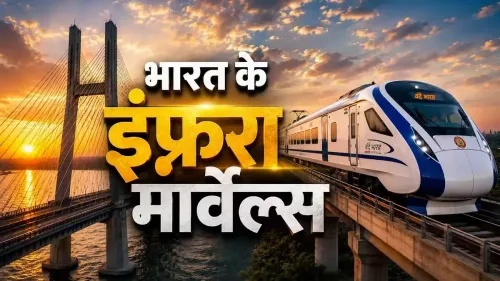
Khandu highlighted highway, railway, airport, and rural connectivity expansion as key achievements, with particular relevance for the North Eastern Region .
The Digital India programme and UPI , launched in 2015 and 2016 respectively, were cited as having transformed everyday financial transactions.
Direct Benefit Transfer (DBT) was noted for routing welfare payments directly into beneficiaries' Aadhaar-linked bank accounts since 2014 .
The tribute was framed within the Viksit Bharat 2047 vision of achieving developed-economy status by India's centenary of independence.
Khandu described the milestone as an occasion for reflection 'regardless of political affiliation,' giving the message a cross-partisan character.
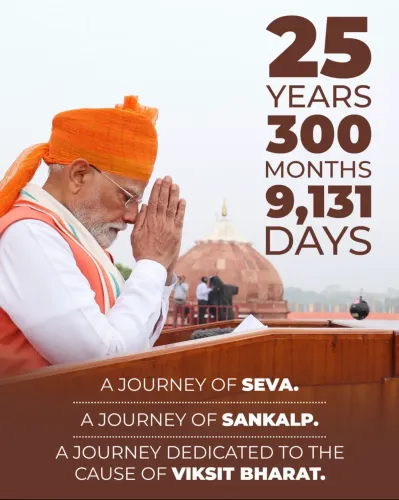
Arunachal Pradesh Chief Minister Pema Khandu on Wednesday, June 10, 2026, congratulated Prime Minister Narendra Modi on becoming India's longest-serving elected Prime Minister, citing a decade of transformative governance across infrastructure, digital services, and welfare delivery.
Context
In his post, CM Khandu described the milestone as 'an opportunity to reflect on a decade of change, progress, and nation-building.' He acknowledged the achievement 'regardless of political affiliation,' lending the tribute a cross-partisan tone. The congratulatory message was accompanied by the hashtags #LongestServingElectedPMModi, #11YearsOfSeva, and #ViksitBharat2047.
Narendra Modi first assumed office as Prime Minister in May 2014 and has since led successive NDA governments, making this the longest continuous elected tenure at the head of government in independent India's history.
Policy Backdrop
CM Khandu specifically highlighted the expansion of national highways, railways, airports, and rural connectivity — areas where Arunachal Pradesh and the broader North Eastern Region have seen concentrated central investment. The Act East Policy, announced in 2014, prioritised road, rail, and air links across the eight North Eastern states, with successive central budgets directing higher capital expenditure toward border districts.
The Digital India programme, launched in July 2015, and the Unified Payments Interface (UPI), rolled out by the National Payments Corporation of India in 2016, were also cited as having 'revolutionised everyday transactions.' Khandu further noted the expansion of Direct Benefit Transfer (DBT), which routes welfare payments through Aadhaar-linked bank accounts to reduce leakages — a mechanism that has been in operation since 2014.
Rapid electrification and household connectivity were also listed among the decade's defining achievements, reflecting central schemes that targeted last-mile coverage in rural and border communities.
Stakeholders and Impact
The constituencies most directly referenced in Khandu's tribute are rural households, border-area communities, and residents of the North Eastern Region — populations that have been the stated beneficiaries of both the physical infrastructure push and the digital-financial inclusion drive. For Arunachal Pradesh specifically, improved highway and airport connectivity has strategic as well as economic significance given the state's long international border.
The mention of India's enhanced profile on the global stage gestures toward diplomatic and multilateral gains over the same period, though Khandu did not elaborate on specific events or summits in his post.
What's Next
CM Khandu framed the milestone within the larger arc of Viksit Bharat 2047, the central government's long-term vision to achieve developed-economy status by the centenary of India's independence. Remaining phases of the Bharatmala highway programme and new airport projects in Arunachal Pradesh are among the infrastructure deliverables being tracked under this framework.
As the 2029 general election cycle approaches, progress reports on Viksit Bharat 2047 milestones from bodies such as NITI Aayog are expected to become a recurring reference point in political discourse across party lines.
Point of View
The emphasis on North East connectivity and border infrastructure is also a pointed signal to his own constituency about the dividends of alignment with the Centre. The post's invocation of Viksit Bharat 2047 reflects a broader BJP effort to anchor the decade's record within a forward-looking national narrative ahead of the next election cycle. Taken together, the tribute illustrates how regional leaders are increasingly using Modi's personal milestones to reinforce the policy case for continued central investment in their states.
NationPress
26 Oct 2026
Frequently Asked Questions
When did Narendra Modi become India's longest-serving elected Prime Minister?
Narendra Modi , who first took office in May 2014 , became India's longest-serving elected Prime Minister, a milestone acknowledged publicly by leaders including Arunachal Pradesh CM Pema Khandu on June 10, 2026 .
What is Viksit Bharat 2047?
Viksit Bharat 2047 is the central government's long-term national vision to transform India into a developed economy by 2047 , the centenary of independence, covering infrastructure, digital services, and inclusive growth.
What did CM Pema Khandu say about Modi's tenure?
CM Pema Khandu cited expansion of highways, railways, airports, rural connectivity, Digital India , UPI , Direct Benefit Transfer , electrification, and India's global profile as transformative achievements of Modi 's tenure.
What is the Act East Policy and how does it affect the North East?
The Act East Policy , announced in 2014 , prioritises road, rail, and air connectivity across the eight North Eastern states, channelling higher central capital expenditure toward border districts including those in Arunachal Pradesh .
What is UPI and when was it launched?
UPI (Unified Payments Interface) is an instant bank-to-bank transfer system launched by the National Payments Corporation of India in 2016 under the broader Digital India initiative; it has since become one of the world's largest real-time payments platforms.