CM Pema Khandu pays tribute to Syama Prasad Mookerjee on Balidan Diwas
Synopsis
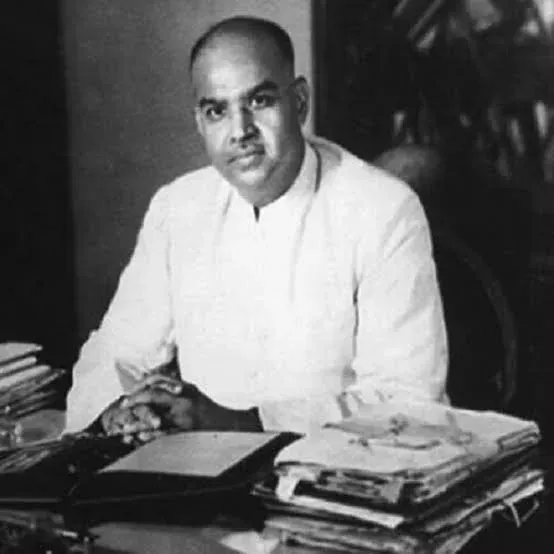
On Balidan Diwas, June 23, 2026, Arunachal Pradesh Chief Minister Pema Khandu honoured Syama Prasad Mookerjee — founder of the Bharatiya Jana Sangh and icon of nationalist integration — calling him an architect of modern India's nationalist thought and offering 'Koti Koti Naman.'
Key Takeaways
Arunachal Pradesh CM Pema Khandu posted a tribute to Syama Prasad Mookerjee on June 23, 2026 , his Balidan Diwas (Martyrdom Day).
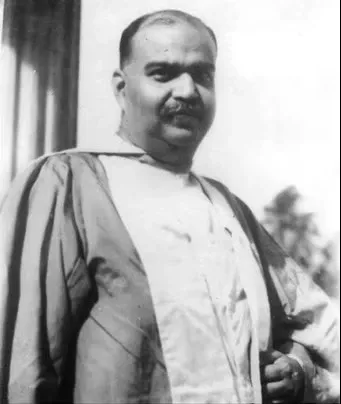
Mookerjee founded the Bharatiya Jana Sangh in 1951 and was a leading voice for complete national integration, including the full merger of Jammu and Kashmir .
He died in Srinagar in 1953 while in detention, an event the BJP commemorates annually as a sacrifice for national unity.
The BJP positions itself as the ideological successor to Mookerjee's Jana Sangh, citing the 2019 abrogation of Article 370 as fulfilment of his vision.
CM Khandu described Mookerjee's legacy as a continuing inspiration for 'every patriot,' closing with 'Koti Koti Naman.'
Arunachal Pradesh Chief Minister Pema Khandu on Tuesday, June 23, 2026, paid homage to Syama Prasad Mookerjee on his Balidan Diwas, calling him 'one of the foremost architects of modern India's nationalist thought' and invoking his legacy of national integration and supreme sacrifice.
Context
Balidan Diwas — meaning 'Martyrdom Day' — is observed every year on June 23 to mark the death anniversary of Syama Prasad Mookerjee, who died in Srinagar in 1953 while in detention. Khandu offered what he described as 'Koti Koti Naman' — a Sanskrit phrase meaning 'salutations from crores of people' — reflecting the reverence BJP leaders across the country extend to Mookerjee on this date.
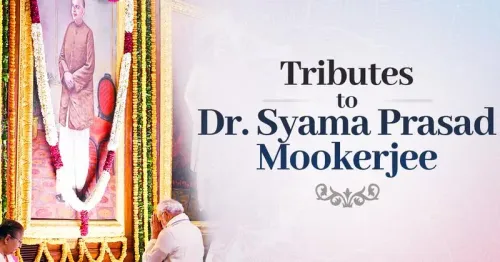
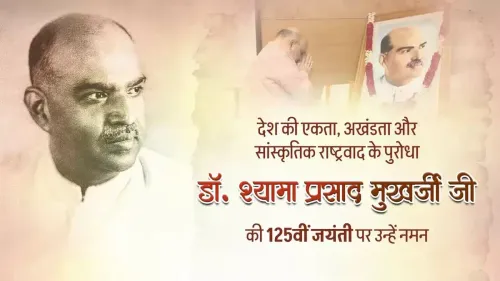
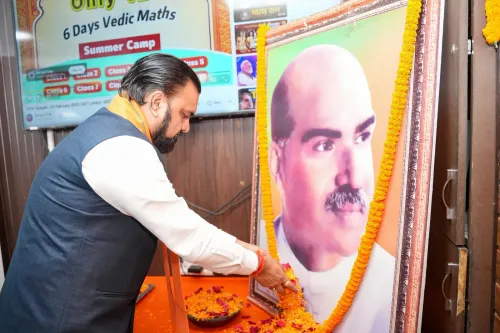
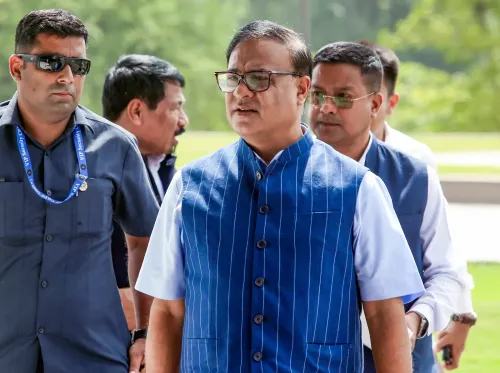
In his post, Khandu highlighted three pillars of Mookerjee's legacy: his 'resolute stand for national integration,' his 'fearless leadership,' and his 'supreme sacrifice in the service of Bharat.' The tribute was accompanied by an image shared on his official X account.
Policy Backdrop
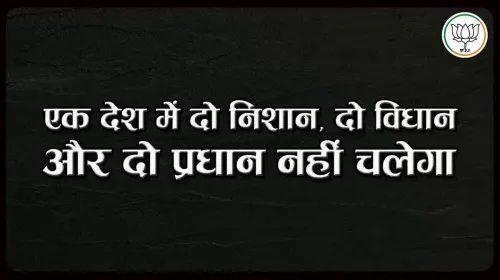
Syama Prasad Mookerjee founded the Bharatiya Jana Sangh in 1951, a party that championed integral nationalism and strongly opposed provisions granting special status to Jammu and Kashmir. His demand that 'Ek Desh mein do Vidhan, do Pradhan, do Nishan nahin chalenge' — meaning one nation cannot have two constitutions, two prime ministers, or two symbols — became a foundational slogan of the Hindu nationalist movement.
The Bharatiya Janata Party, which positions itself as the ideological successor to the Jana Sangh, frequently invokes Mookerjee's legacy in the context of the 2019 abrogation of Article 370, presenting that decision as the fulfilment of his long-standing demand for the complete integration of Jammu and Kashmir into the Indian Union.
Stakeholders and Impact
BJP cadre, nationalist organisations, and party workers observe Balidan Diwas with events at state and district levels across India. For leaders like CM Khandu, who has overseen the BJP's consolidation in Arunachal Pradesh since 2016, paying tribute to founding ideological figures serves to connect the party's northeastern expansion with its broader nationalist narrative.
The northeastern states, long shaped by themes of territorial integrity and cultural identity, have seen the BJP emphasise figures like Mookerjee as symbols of an undivided, integrated Bharat. This framing resonates particularly in border states where national unity carries immediate geographic significance.
What's Next
Similar tributes from BJP chief ministers and senior leaders across states are expected on every June 23, with state units and the central party organisation typically holding commemorative events. The day is also used by the party to reinforce its ideological lineage ahead of key political moments. Mookerjee's legacy will likely remain a touchstone for the BJP as it continues to frame contemporary governance decisions — particularly on national integration — within the arc of post-independence nationalist history.
Point of View
Particularly on symbolic dates like Balidan Diwas. For a chief minister governing a sensitive border state, invoking Mookerjee's demand for territorial integrity carries an added layer of political resonance beyond routine party messaging. The tribute also reinforces the BJP's ideological continuity argument — that decisions like the abrogation of Article 370 are not departures but fulfilments of a decades-old nationalist project. As the party deepens its footprint in the Northeast, such commemorations serve as cultural scaffolding, connecting regional governance to a pan-Indian nationalist narrative.
NationPress
21 Sept 2026
Frequently Asked Questions
Who was Syama Prasad Mookerjee and why is Balidan Diwas observed?
Syama Prasad Mookerjee was an Indian politician who founded the Bharatiya Jana Sangh in 1951 and championed complete national integration, including the full merger of Jammu and Kashmir. Balidan Diwas is observed on June 23 every year to mark his death in Srinagar in 1953 while in detention, which the BJP commemorates as a martyrdom for national unity.
What did Pema Khandu say about Syama Prasad Mookerjee on Balidan Diwas 2026?
CM Pema Khandu called Mookerjee 'one of the foremost architects of modern India's nationalist thought,' praising his resolute stand for national integration, fearless leadership, and supreme sacrifice. He closed his tribute with 'Koti Koti Naman,' meaning salutations from crores of people.
What is the connection between Syama Prasad Mookerjee and Article 370?
Mookerjee strongly opposed the special status granted to Jammu and Kashmir under Article 370 and demanded its full integration into India. The BJP has cited the 2019 abrogation of Article 370 as the realisation of Mookerjee's long-standing demand.
Why do BJP leaders pay tribute to Syama Prasad Mookerjee on June 23?
June 23 marks the death anniversary of Mookerjee, who died in 1953. The BJP, as the ideological successor to his Bharatiya Jana Sangh, observes the day as Balidan Diwas to honour his sacrifice and reinforce the party's nationalist ideological lineage.
Who is Pema Khandu and which party does he belong to?
Pema Khandu is the Chief Minister of Arunachal Pradesh and a senior leader of the Bharatiya Janata Party. He has served as Chief Minister since 2016 and is associated with the BJP's consolidation of political power in the northeastern state.