Syama Prasad Mookerjee martyrdom day: Himanta Sarma pays tribute to Jana Sangh founder
Synopsis
Seventy-two years after Dr. Syama Prasad Mookerjee died in detention in Jammu and Kashmir while challenging the permit system, Assam CM Himanta Biswa Sarma's tribute underscores how the Jana Sangh founder's legacy remains the BJP's most potent ideological anchor — especially after Article 370's abrogation made his lifelong demand a legislative reality.
Key Takeaways
Assam CM Himanta Biswa Sarma paid tribute to Dr.
Syama Prasad Mookerjee on his martyrdom day, 23 June .
Mookerjee founded the Bharatiya Jana Sangh in 1951 , the organisational predecessor of the BJP .
He died on 23 June 1953 while in detention in Jammu and Kashmir , where he had gone to oppose the permit system restricting Indian citizens' entry.
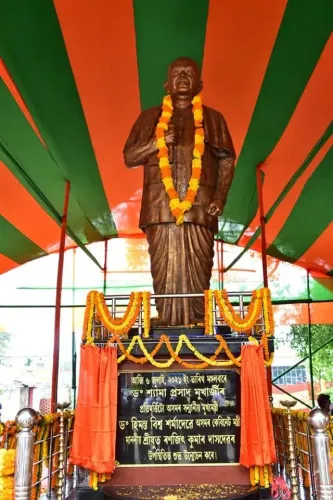
Sarma shared a tribute post on social media alongside a photograph of a garland-adorned statue of Mookerjee.
BJP leaders and workers across India, including in Assam , held tribute programmes marking the anniversary.
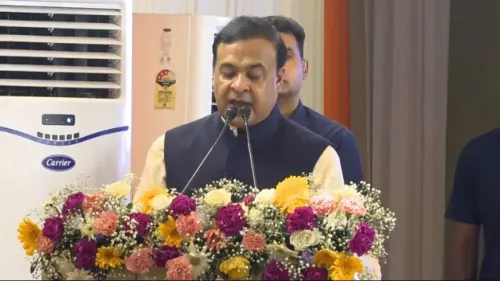
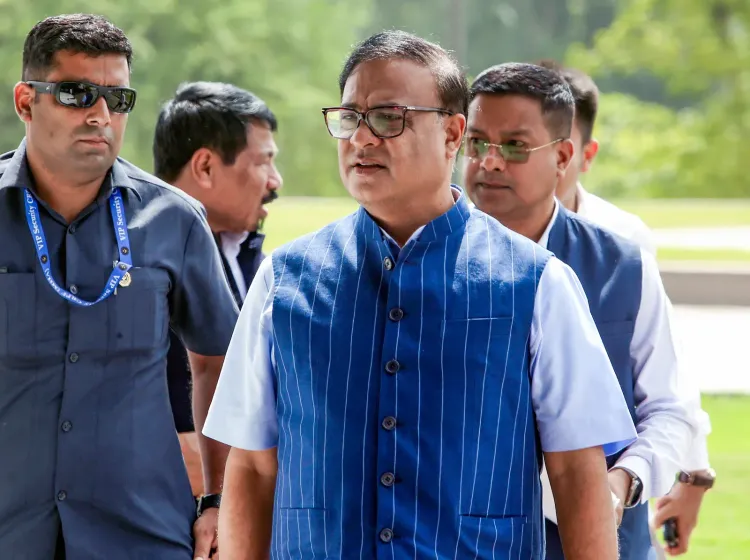
Assam Chief Minister Himanta Biswa Sarma on Monday, 23 June paid tribute to Bharatiya Jana Sangh founder Dr. Syama Prasad Mookerjee on his martyrdom day, honouring the nationalist leader who died in detention in Jammu and Kashmir on 23 June 1953. Sarma described Mookerjee's life and sacrifice as an enduring source of inspiration for the nation.
What Himanta Sarma Said
Taking to social media, Sarma posted a tribute alongside a photograph of a garland-adorned statue of Dr. Mookerjee. 'To the great nationalist leader who dedicated his all to the unity and integrity of the nation, eminent educationist, and founder of the Jan Sangh, Dr. Syama Prasad Mookerjee, humble tribute on his martyrdom day. His sacrifice, struggle, and patriotism will forever remain a source of inspiration,' the Chief Minister wrote.
Sarma also highlighted Mookerjee's contributions as an educationist and statesman, underscoring his role in shaping India's post-Independence political landscape.
Who Was Dr. Syama Prasad Mookerjee
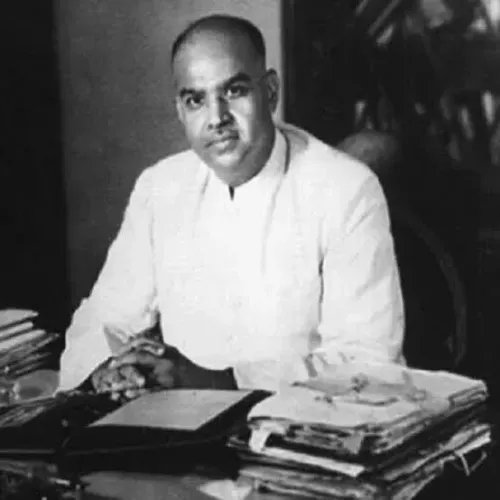
Dr. Syama Prasad Mookerjee was one of the most consequential figures in post-Independence Indian politics. He founded the Bharatiya Jana Sangh in 1951, an organisation that would later evolve into the Bharatiya Janata Party (BJP). He was a vocal advocate of national unity and fiercely opposed the special constitutional status accorded to the erstwhile state of Jammu and Kashmir.
His death on 23 June 1953, while in detention in Jammu and Kashmir — where he had gone to challenge the permit system that restricted Indian citizens' entry into the state — remains one of the most debated episodes in India's political history.
National Observance Across BJP
Across the country, BJP leaders and workers observed the martyrdom day by organising tribute programmes and remembering Mookerjee's contribution to nation-building. In Assam, party leaders and workers offered floral tributes and reiterated his vision of a strong and united India.
The BJP has consistently described Mookerjee as a foundational architect of nationalist politics whose ideas continue to shape the party's ideology and governance philosophy. The day is commemorated annually by the BJP and its affiliated organisations.
Historical Significance
Mookerjee's movement against the permit system — which required Indian citizens to obtain special permits before entering Jammu and Kashmir — was a direct challenge to what he considered a dilution of national integration. His detention and subsequent death under those circumstances gave the movement a lasting political resonance that the BJP has drawn upon for decades.
Notably, this year's commemoration comes amid renewed national conversations around Article 370's abrogation in 2019, a legislative milestone that the BJP has long framed as the fulfilment of Mookerjee's unfinished political mission. As the party marks his 72nd martyrdom anniversary, his legacy remains firmly embedded in its ideological identity.
Point of View
The party has been able to frame Mookerjee's death as a sacrifice that was ultimately vindicated, lending the tribute a triumphalist undertone that earlier anniversaries lacked. What mainstream coverage often misses is how the permit-system movement — a relatively obscure administrative dispute in 1953 — has been retroactively elevated into the founding myth of Hindu nationalist politics. Whether that framing holds up to historical scrutiny is a question that the commemorations themselves rarely invite.
NationPress
21 Sept 2026
Frequently Asked Questions
Why is 23 June observed as Syama Prasad Mookerjee's martyrdom day?
Dr. Syama Prasad Mookerjee died on 23 June 1953 while in detention in Jammu and Kashmir, where he had been held after entering the state without a permit to protest the system restricting Indian citizens' entry. The BJP and its affiliated organisations commemorate the date annually as his martyrdom day.
Who was Syama Prasad Mookerjee?
Dr. Syama Prasad Mookerjee was a prominent post-Independence Indian politician who founded the Bharatiya Jana Sangh in 1951, the party that later evolved into the Bharatiya Janata Party (BJP). He was also an educationist and statesman known for his advocacy of national unity and opposition to Jammu and Kashmir's special constitutional status.
What did Himanta Biswa Sarma say about Mookerjee?
Assam Chief Minister Himanta Biswa Sarma posted a tribute on social media calling Mookerjee 'a great nationalist leader who dedicated his all to the unity and integrity of the nation.' He described Mookerjee's sacrifice, struggle, and patriotism as a forever source of inspiration.
How does Mookerjee's legacy connect to the BJP today?
The BJP traces its organisational lineage directly to the Bharatiya Jana Sangh that Mookerjee founded in 1951. The party has long cited his opposition to Jammu and Kashmir's special status as ideological precedent for the abrogation of Article 370 in 2019, framing that move as the fulfilment of his political mission.
How was Mookerjee's martyrdom day observed in Assam?
In Assam, BJP leaders and workers offered floral tributes and held programmes highlighting Mookerjee's vision of a strong and united India. Chief Minister Himanta Biswa Sarma led the tributes through a social media post accompanied by a photograph of a garlanded statue of Mookerjee.