CM Sai: Surrendered Bastar Women Walk Ramp on Handloom Day

Synopsis
On National Handloom Day, surrendered women from Bastar walked a ramp in Raipur wearing traditional Chhattisgarhi handloom textiles. CM Vishnu Deo Sai called it a symbol of the state's journey from Naxal violence to dignified, development-led futures — rehabilitation made visible.
Key Takeaways
Surrendered women from Bastar performed a ramp walk in Raipur on National Handloom Day, 7 August 2026 .
The event showcased Chhattisgarh's traditional handloom textiles on a national platform.
National Handloom Day has been observed every 7 August since 2015 to promote India's weaving sector.
CM Vishnu Deo Sai framed the ramp walk as proof of the state's shift 'from violence to development, from fear to trust.' Chhattisgarh's rehabilitation policy for former extremists includes skill and livelihood programmes, with handloom as a key sector for women.
The event reflects a broader state strategy of using cultural showcases to consolidate rehabilitation gains in conflict-affected Bastar districts.
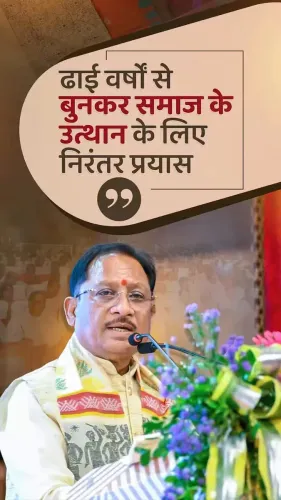
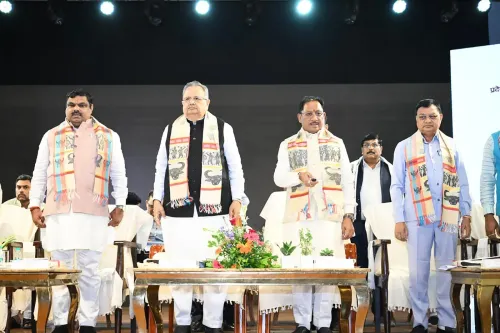
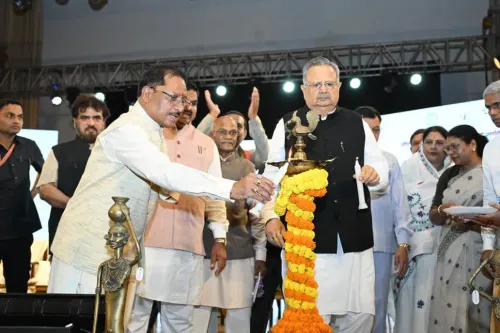
They once walked forest trails under the shadow of Naxal violence. On National Handloom Day, 7 August 2026, the same women walked a ramp in Raipur — draped in Chhattisgarh's traditional handloom textiles, heads held high, to a national audience. Chhattisgarh Chief Minister Vishnu Deo Sai marked the moment as nothing less than a civilisational turn.
Sharing images from the state-level event, CM Sai wrote that feet once 'forced to walk the path of red terror in Bastar's remote forests' were today 'walking the ramp with confidence, presenting the pride of Chhattisgarh's rich handloom heritage before the entire nation.' His post framed the ramp walk not as spectacle, but as a living proof of transformation — 'हिंसा से विकास, भय से विश्वास' (from violence to development, from fear to trust).
From Bastar's forests to Raipur's ramp
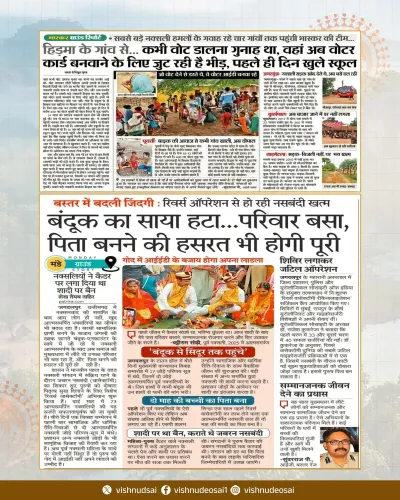
Bastar, the vast forested southern belt of Chhattisgarh, has been the epicentre of left-wing extremism for decades. Surrender and rehabilitation programmes — expanded significantly through the 2010s and into the 2020s — have offered former insurgents a structured path out: skill training, livelihood linkages, and social reintegration. For women who surrendered, handloom has emerged as one of the more visible entry points into formal economic life.
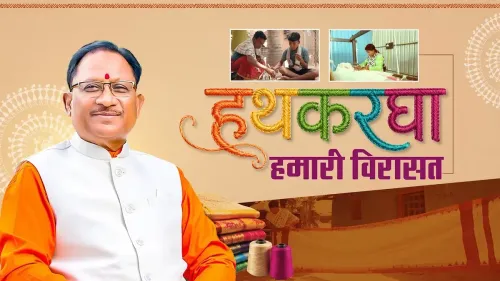
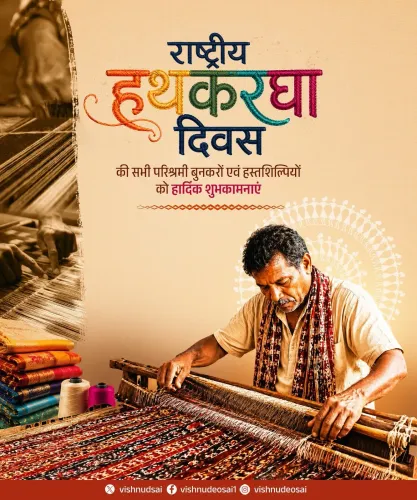
Thursday's event in Raipur placed those women at the centre of a national occasion. National Handloom Day has been observed every 7 August since 2015, instituted by the Government of India to honour weavers and promote the sector's economic and cultural weight. Staging a ramp walk featuring surrendered women in traditional Chhattisgarhi weaves on that date was a deliberate layering of two narratives: craft revival and conflict recovery, stitched into a single image.
Rehabilitation meets cultural showcase
Chhattisgarh's approach — pairing intensified security operations with confidence-building livelihood programmes — has increasingly used public cultural events to signal the durability of rehabilitation gains. Former insurgents appearing in state-sponsored showcases serves a dual purpose: it provides market visibility for tribal handloom traditions, and it offers a visible, human counter-narrative to recruitment by extremist groups.
CM Sai's framing on X captured that duality precisely. 'This is not merely a fashion show,' he wrote, 'but a powerful expression of a new Chhattisgarh moving from violence to development, from fear to trust, from a lost life to a dignified future.' The language was deliberate — welfare programme outcomes recast as state identity.
The ramp in Raipur was, in that sense, a political stage as much as a cultural one. And the women who walked it carried more than handloom fabric — they carried the weight of a government's central argument about what security policy, done right, can look like on the ground.
Point of View
Human results. Placing surrendered women at the centre of a national handloom celebration is shrewd: it connects welfare delivery to cultural pride, making the rehabilitation narrative harder to dismiss as mere optics. The move sits within a wider pattern across Naxal-affected states where governments have learned that development stories, told through real people rather than data, carry far greater political resonance. Whether the underlying rehabilitation infrastructure is deep enough to sustain these stories at scale remains the harder, less photographable question.
NationPress
7 Aug 2026
Frequently Asked Questions
What happened on National Handloom Day 2026 in Chhattisgarh?
On 7 August 2026 , a state-level event in Raipur featured surrendered women from Bastar performing a ramp walk in traditional Chhattisgarhi handloom attire, marking National Handloom Day with a focus on rehabilitation and cultural heritage.
Who are the surrendered women who walked the ramp in Raipur?
They are women who formerly operated in Naxal-affected areas of Bastar and surrendered under Chhattisgarh's rehabilitation programmes, which offer skill training and livelihood support including work in the handloom sector.
What is National Handloom Day and when is it observed?
National Handloom Day is observed every year on 7 August , instituted by the Government of India in 2015 to honour weavers and promote the economic and cultural significance of India's handloom industry.
What did CM Vishnu Deo Sai say about the Raipur ramp walk?
CM Vishnu Deo Sai said the event was 'not merely a fashion show' but a powerful expression of a new Chhattisgarh moving 'from violence to development, from fear to trust, from a lost life to a dignified future.'
How does Chhattisgarh rehabilitate surrendered Naxals?
Chhattisgarh's rehabilitation policy for surrendered left-wing extremists includes skill training, livelihood linkages, and social reintegration programmes — with handloom emerging as a key sector for women from Bastar districts.