CM Himanta Pays Tribute to Dr. Syama Prasad Mookerjee on Jayanti
Synopsis
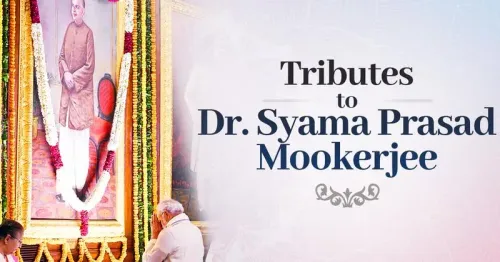
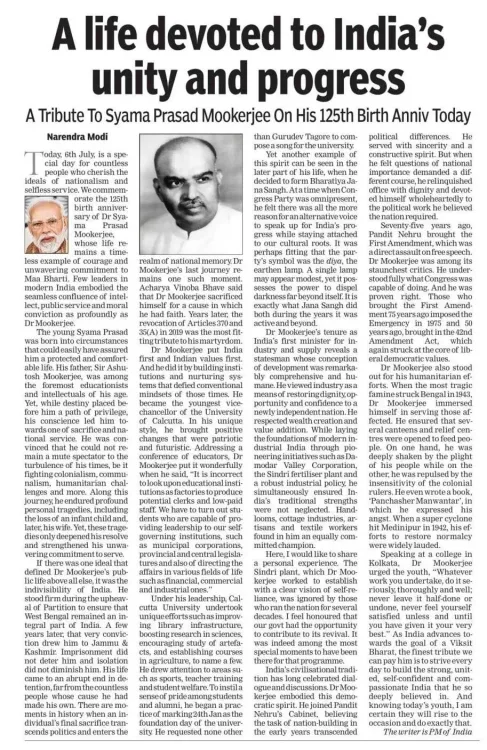
Assam Chief Minister Himanta Biswa Sarma marked Dr. Syama Prasad Mookerjee's jayanti on 6 July 2026 by sharing PM Narendra Modi's tribute piece, reaffirming commitment to Mookerjee's ideals of national unity, territorial integrity, and selfless public service.
Key Takeaways
Assam CM Himanta Biswa Sarma paid tribute to Dr.
Syama Prasad Mookerjee on his jayanti, 6 July 2026 .
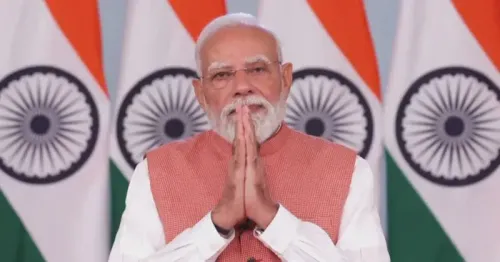
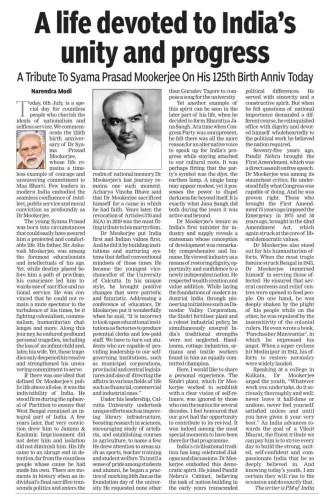
PM Narendra Modi authored a tribute piece on Mookerjee that CM Sarma shared and described as 'insightful'.
Mookerjee , born in 1901 , founded the Bharatiya Jana Sangh and was a lifelong advocate for national unity and full integration of Jammu and Kashmir .
The BJP links Mookerjee's legacy to the 2019 revocation of Article 370 , presenting it as the fulfilment of his historic demand.
CM Sarma called on followers to reaffirm commitment to Mookerjee's ideals of national unity, integrity, and selfless public service .
The annual 6 July commemoration functions as a key moment for BJP leaders to articulate the party's ideological lineage from the Jana Sangh to the present government.
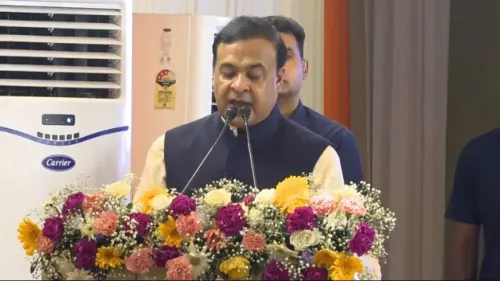
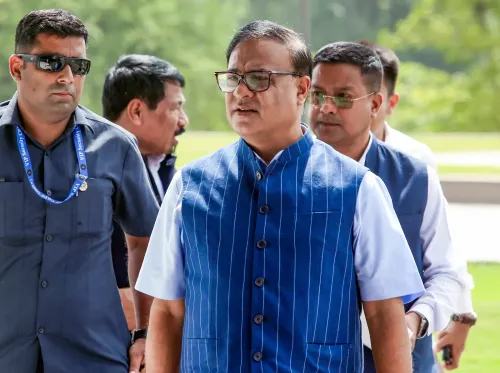
Assam Chief Minister Himanta Biswa Sarma on Monday, 6 July 2026, paid tribute to Dr. Syama Prasad Mookerjee on his birth anniversary, sharing a tribute piece authored by Prime Minister Narendra Modi and reaffirming his commitment to the ideals Mookerjee championed throughout his life.
Context
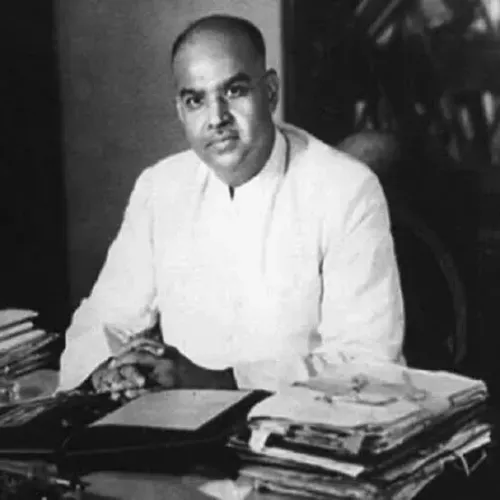
Dr. Syama Prasad Mookerjee, born in 1901, was one of independent India's most consequential political figures — a founding force behind the Bharatiya Jana Sangh, the ideological predecessor of today's Bharatiya Janata Party (BJP). His jayanti, observed every 6 July, is marked by BJP leaders and affiliated organisations across the country as a moment of ideological reaffirmation. CM Sarma described him as 'one of the stalwarts of our nation' and noted that PM Modi had penned an 'insightful piece' as a tribute to Mookerjee's enduring legacy.
Sarma's post highlighted three pillars of Mookerjee's life's work: national unity, territorial integrity, and selfless public service. The Chief Minister called on followers to 'reaffirm our commitment to the ideals he so courageously championed,' echoing the broader BJP framing of Mookerjee as a visionary whose convictions have shaped modern governance.
Policy Backdrop
Dr. Mookerjee is most closely associated with his fierce opposition to the separate constitutional status accorded to Jammu and Kashmir under Article 370, a cause he pursued until his death in 1953. His rallying cry — 'Ek Desh mein do Vidhan, do Pradhan aur do Nishan nahin chalenge' (One country cannot have two constitutions, two prime ministers, and two national emblems) — became a defining slogan of the Jana Sangh and, later, the BJP.
In 2019, the Government of India revoked Article 370, formally integrating Jammu and Kashmir into the constitutional mainstream. BJP leaders have since consistently cited that decision as the fulfilment of Mookerjee's decades-old demand, weaving his legacy into the party's contemporary policy narrative.
Stakeholders and Impact
The annual 6 July commemoration carries significance well beyond ceremonial tribute. For BJP workers and affiliated nationalist organisations, the jayanti serves as a moment to articulate the party's ideological lineage — from the Jana Sangh's founding principles to the present government's integration and cultural-unity agenda. Senior leaders sharing and amplifying PM Modi's written tribute reinforces the chain of authority within that ideological tradition.
For Assam and the North-East, where CM Sarma also serves as convenor of the North-East Democratic Alliance (NEDA), public invocations of Mookerjee's 'united Bharat' theme carry a regional resonance, particularly given the Northeast's complex history of integration and identity politics. Such statements signal continuity of the Centre's commitment to the region's full constitutional and developmental inclusion.
What's Next
The 6 July jayanti is expected to see further tributes from senior BJP figures at the national and state levels, with party units likely to organise commemorative events across constituencies. Observers will watch whether PM Modi's tribute article — shared by CM Sarma — is amplified into a broader policy statement on territorial integrity or cultural unity in the days ahead. As the BJP continues to build its ideological narrative around founding figures like Mookerjee, such anniversaries increasingly function as platforms for articulating the party's long-term vision for a unified India.
Point of View
Sarma reinforces a vertical chain of ideological authority that runs from the Chief Minister's office in Dispur to the Prime Minister's office in Delhi. The invocation of 'united Bharat' carries particular weight in the Northeast, where integration narratives intersect with sensitive questions of identity and autonomy. Taken together, the tribute is less a ceremonial gesture and more a restatement of the BJP's core territorial and cultural agenda ahead of what is likely to be a busy political calendar in the region.
NationPress
5 Oct 2026
Frequently Asked Questions
Who was Dr. Syama Prasad Mookerjee?
Dr. Syama Prasad Mookerjee, born in 1901, was an Indian politician and academic who founded the Bharatiya Jana Sangh, the ideological forerunner of the BJP. He is best remembered for his fierce opposition to Article 370 and his advocacy for the full constitutional integration of Jammu and Kashmir into India.
When is Syama Prasad Mookerjee's jayanti?
Dr. Syama Prasad Mookerjee's jayanti (birth anniversary) falls on 6 July every year. It is observed by BJP leaders and affiliated organisations across India with tributes, commemorative events, and ideological reaffirmations.
What did CM Himanta Biswa Sarma say about Dr. Mookerjee?
CM Himanta Biswa Sarma described Dr. Mookerjee as 'one of the stalwarts of our nation' and said he 'espoused the cause of a united Bharat,' devoting his life to national unity, integrity, and selfless public service. Sarma also shared a tribute piece authored by PM Narendra Modi.
What is the connection between Syama Prasad Mookerjee and Article 370?
Dr. Mookerjee was one of the most prominent opponents of Article 370, which granted special status to Jammu and Kashmir. His demand for full constitutional integration became a defining cause of the Bharatiya Jana Sangh. In 2019, the Government of India revoked Article 370, an act the BJP has described as the fulfilment of Mookerjee's historic demand.
What is NEDA and what is Himanta Biswa Sarma's role in it?
The North-East Democratic Alliance (NEDA) is a BJP-led political alliance of parties in India's northeastern states. Himanta Biswa Sarma, who is also the Chief Minister of Assam, serves as the convenor of NEDA, making him one of the most influential BJP figures in the region.