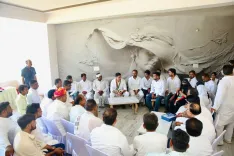
CM Pema Khandu marks Syama Prasad Mookerjee's 125th Birth Anniversary
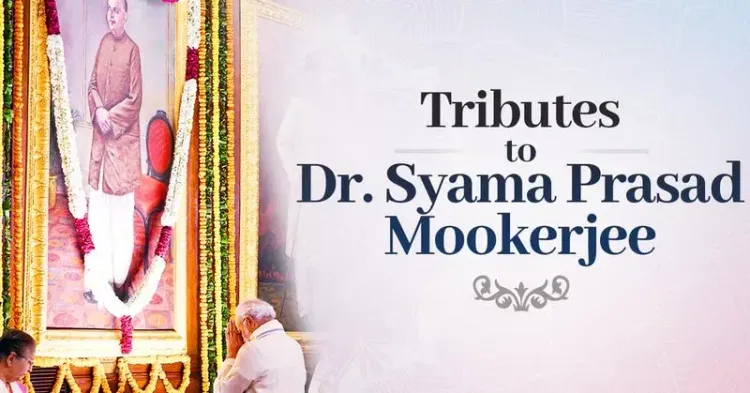
Synopsis
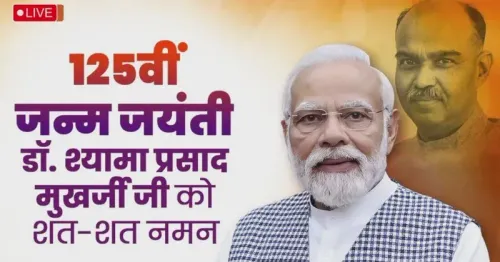
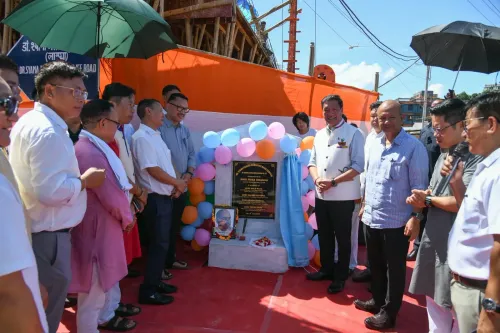
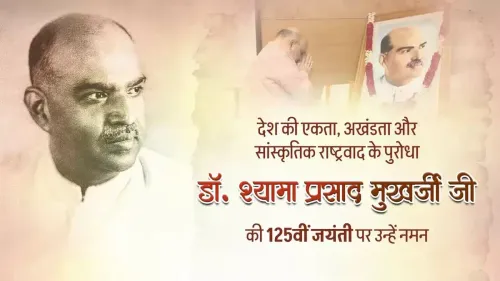
Arunachal Pradesh Chief Minister Pema Khandu marked Dr. Syama Prasad Mookerjee's 125th Birth Anniversary on 6 July 2026, sharing PM Narendra Modi's reflection on the Jana Sangh founder's legacy of national unity and urging followers to read and share it widely.
Key Takeaways
Pema Khandu shared PM Modi 's tribute to Dr.
Syama Prasad Mookerjee on 6 July 2026 , marking the leader's 125th Birth Anniversary .
Mookerjee founded the Bharatiya Jana Sangh in 1951 , the ideological precursor to the BJP .
He served as India's first Industry Minister before resigning from the Nehru cabinet over policy differences.
The abrogation of Article 370 in 2019 was presented by the BJP as fulfilment of Mookerjee's vision for full integration of Jammu and Kashmir .
Annual 6 July commemorations form a structured part of the BJP's political calendar, with leaders across states participating.
Arunachal Pradesh 's participation reflects the Northeast BJP's alignment with the party's national integration narrative.
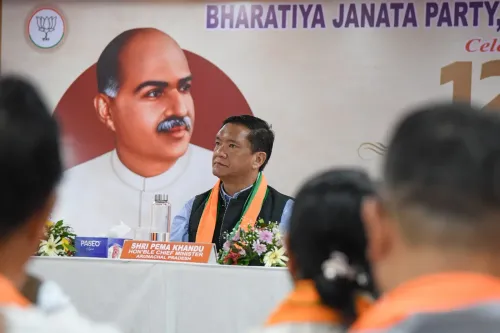
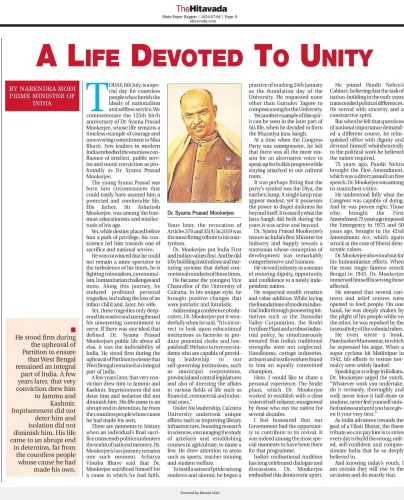
Arunachal Pradesh Chief Minister Pema Khandu on Monday, 6 July 2026, shared a tribute to Dr. Syama Prasad Mookerjee on the occasion of the leader's 125th Birth Anniversary, calling Prime Minister Narendra Modi's reflection on Mookerjee's life and legacy 'a compelling read' and urging followers to read and share it.
Context
Dr. Syama Prasad Mookerjee was born on 6 July 1901 and remains one of the most cited figures in the BJP's ideological lineage. He served as India's first Industry Minister in the Jawaharlal Nehru cabinet before resigning over policy differences, and went on to found the Bharatiya Jana Sangh in 1951 — the party widely regarded as the ideological precursor to the Bharatiya Janata Party. Mookerjee's most prominent political campaign was his demand for the full integration of Jammu and Kashmir into the Indian Union without special status, a cause for which he was detained and died in custody in 1953.
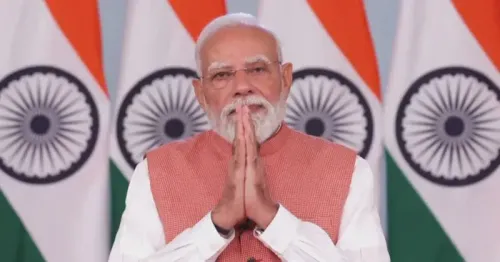
Khandu's post directly references PM Modi's written reflection on Mookerjee's 'life, sacrifices, and enduring legacy,' describing the Prime Minister's piece as an account of 'a leader whose unwavering commitment to national unity continues to inspire India.' The Chief Minister did not quote the reflection at length but encouraged wide circulation.
Policy Backdrop
The BJP has consistently invoked Mookerjee's legacy in the context of national integration, most prominently after the abrogation of Article 370 in August 2019, which the party presented as the fulfilment of his long-held vision for Jammu and Kashmir. Annual commemorations on 6 July have become a structured part of the party's political calendar, with leaders at every level — from the Prime Minister to state chief ministers — participating in tributes across social media and public events.
The Bharatiya Jana Sangh, which Mookerjee founded, later merged into the Janata Party in 1977 before its successor organisation emerged as the BJP in 1980. The party traces its philosophical roots directly to the Jana Sangh's platform of cultural nationalism and complete territorial integration.
Stakeholders and Impact
For Arunachal Pradesh, a northeastern border state with significant strategic sensitivity, aligning official communications with national integration themes carries both political and symbolic weight. BJP leaders in the Northeast have made a consistent practice of participating in such commemorations, reinforcing the party's ideological identity in a region where governance narratives often intersect with border security and sovereignty concerns.
Khandu's amplification of PM Modi's reflection also underscores the role of state-level leaders in extending the reach of centrally-driven political messaging. By framing the tribute as 'a compelling read — please read and share,' the Chief Minister positions himself as a conduit between the Prime Minister's communication and the party's grassroots audience in the Northeast.
What's Next
State-level commemorative events and social media campaigns by BJP leaders are expected to continue through 6 July each year as the party marks Mookerjee's birth anniversary. With the 125th anniversary being a milestone year, broader cultural programmes and institutional tributes honouring his contribution to Indian democracy and industry policy are likely. References to Mookerjee's legacy may also surface in upcoming parliamentary discussions on federalism, cultural policy, and national integration — themes the BJP has consistently linked to his political thought.
Point of View
Khandu signals vertical alignment within the party hierarchy — a pattern visible across BJP-governed states on such occasions. The timing of the 125th anniversary gives the commemoration added institutional weight, likely prompting broader cultural and policy-linked programming. For Arunachal Pradesh, a state whose very sovereignty is periodically contested at the border, invoking Mookerjee's integration legacy carries a resonance that goes beyond routine party messaging.
NationPress
5 Oct 2026
Frequently Asked Questions
Who was Dr. Syama Prasad Mookerjee?
Dr. Syama Prasad Mookerjee was an Indian politician who served as the country's first Industry Minister, founded the Bharatiya Jana Sangh in 1951, and campaigned for the full integration of Jammu and Kashmir. He died in detention in 1953 and is widely regarded as the ideological forefather of the BJP.
Why is 6 July significant for the BJP?
6 July is the birth anniversary of Dr. Syama Prasad Mookerjee, born on 6 July 1901. The BJP marks the date annually as a key moment in its political calendar to honour the founder of the Bharatiya Jana Sangh, its ideological predecessor.
What did CM Pema Khandu post on Mookerjee's 125th birth anniversary?
Arunachal Pradesh Chief Minister Pema Khandu shared PM Narendra Modi's written reflection on Mookerjee's life and legacy, describing it as 'a compelling read' and urging followers to read and share it on 6 July 2026.
What is the connection between Mookerjee and Article 370?
Mookerjee campaigned for the complete integration of Jammu and Kashmir into India without special constitutional status. When the BJP abrogated Article 370 in August 2019, the party presented it as the fulfilment of Mookerjee's decades-old political demand.
What was the Bharatiya Jana Sangh?
The Bharatiya Jana Sangh was a political party founded by Dr. Syama Prasad Mookerjee in 1951. It later merged into the Janata Party in 1977, and its successor organisation became the Bharatiya Janata Party in 1980.